




Classic Library Table
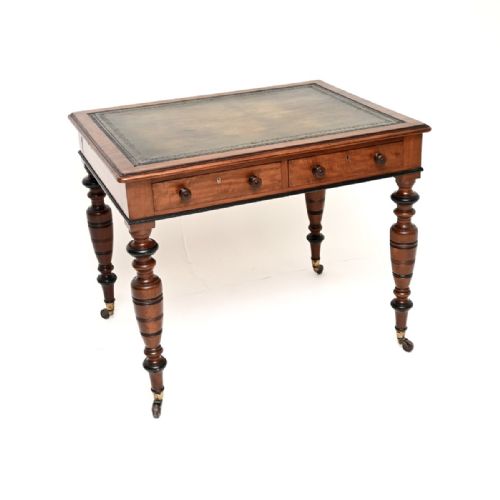
A classic library table offers a sturdy centre for study, constructed in mahogany, burr walnut, and brass across periods from the Georgian era to the Edwardian years.
Classic Library Table
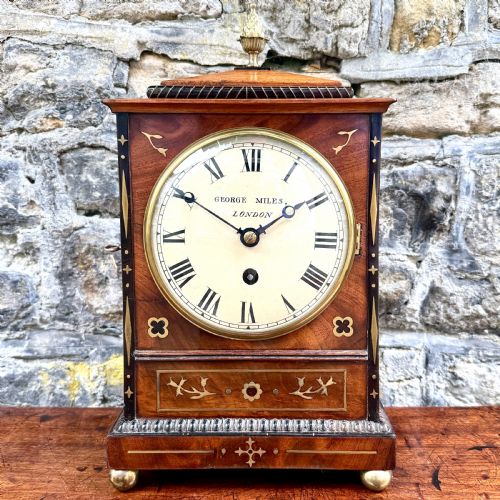
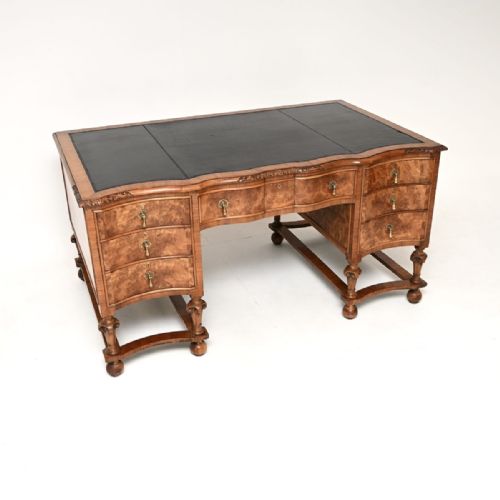
A classic library table encompasses writing tables, partners desks, drum tables, and pedestal desks designed for study and administration. The forms range from substantial George III and Victorian mahogany desks to refined Regency and Louis XV style pieces.
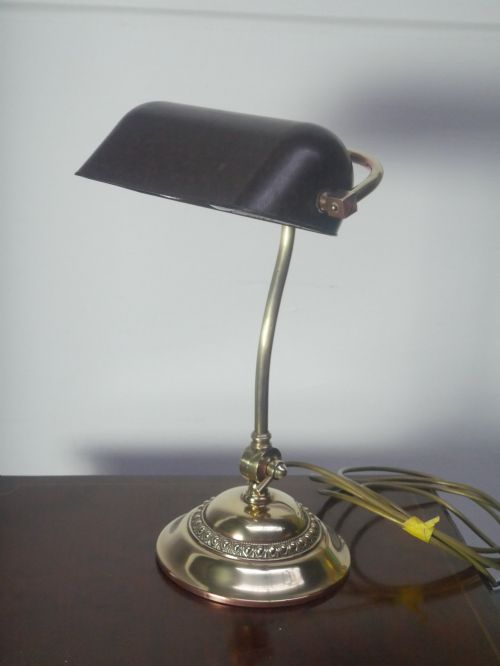
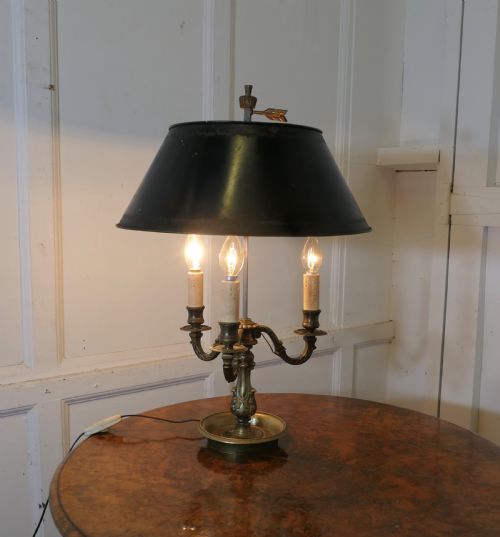
Alongside timber desks, the category extends to functional lighting such as brass bankers desk lamps, Pullman lamps in brass and opaline, and green toleware bouillotte lamps. Buyers will encounter both large writing surfaces and smaller desk accessories on this page.
Origins span English workshops of the nineteenth century alongside French designs. The dominant materials seen in these listings are mahogany, burr walnut, and polished brass.
How they were made
Cabinet makers constructed the desks primarily from solid mahogany and burr walnut, frequently incorporating inset leather writing surfaces. Brass fittings, ormolu details, and glass components complete the structural and decorative execution.
Lighting pieces utilise cast brass, opaline glass, and painted metal toweleware, with adjustable mechanisms engineered for practical desk use. The construction methods reflect the standard commercial and domestic manufacturing practices of their respective periods.
One desk comes directly with estate provenance from Elveden, adding a touch of landed gentry paperwork to the room.
What varies in quality
Quality rests in the selection of timber veneers, such as figured burr walnut, and the precision of the joinery in pedestals and drawers. Superior examples display balanced proportions and refined secondary woods.
In metalwork, the weight of the cast brass and the finish of ormolu mounts distinguish standard production from finer workshop output. Original leather tops and intact glass shades also contribute to the integrity of a piece.
Maple and Co·Faraday and Sons
The Classic Library Table Glossary
- Partners desk
- A large double-sided desk designed for two people to work opposite one another, typically featuring cupboards or drawers on both faces.
- Drum table
- A round library table with a rotating or stationary top surrounded by frieze drawers, resting on a central pillar and tripod base.
- Bureau plat
- A French freestanding writing table with one or more drawers in the frieze, often executed in the Louis XV style.
- Bouillotte lamp
- A traditional French adjustable desk lamp featuring a central shaft, multiple candle arms or electric lights, and a characteristic toleware shade.
Classic Library Table: Frequently Asked Questions
What is a partners desk?
A partners desk is a large writing table built with drawers and compartments on both sides, allowing two people to sit opposite each other.
These pieces were traditionally placed in the middle of a room rather than against a wall.
How do I identify a drum table?
A drum table is instantly recognised by its circular top and single central pedestal base. The frieze contains alternating real and dummy drawers.
They were popular in Georgian and Regency libraries for holding reference books and writing materials.
What is a toleware lamp?
Toleware refers to lacquered or painted metalware, usually steel or tin, shaped into shades for desk lamps. Green is a frequent colour for these shades.
Paired with brass bases, they provide directed lighting for paperwork.
Where did library tables originate?
The pieces listed here originate primarily from English and French workshops spanning the eighteenth, nineteenth, and early twentieth centuries.
They reflect the changing domestic and institutional needs for dedicated study furniture.