



Classic Hall Lighting
Classic hall lighting sets the tone for an interior, and these pieces bring period character straight to your entranceway.
Classic Hall Lighting
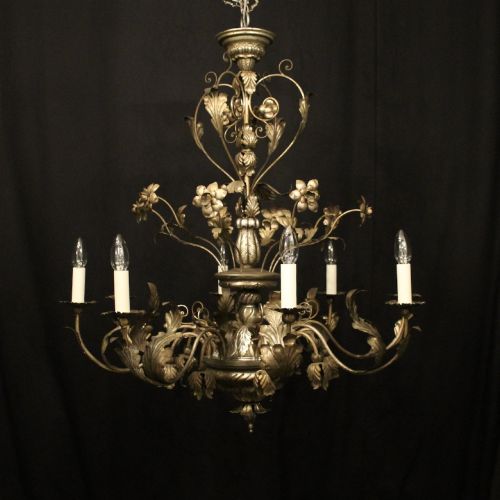
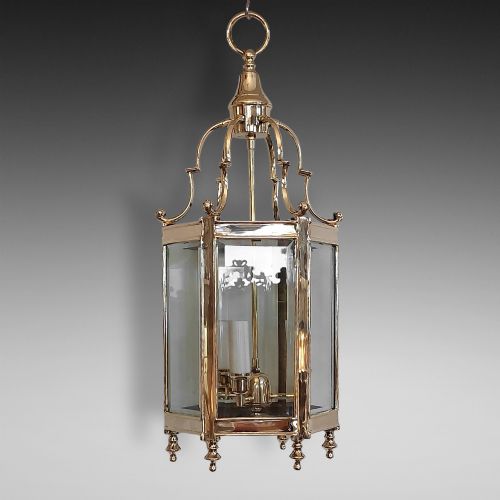
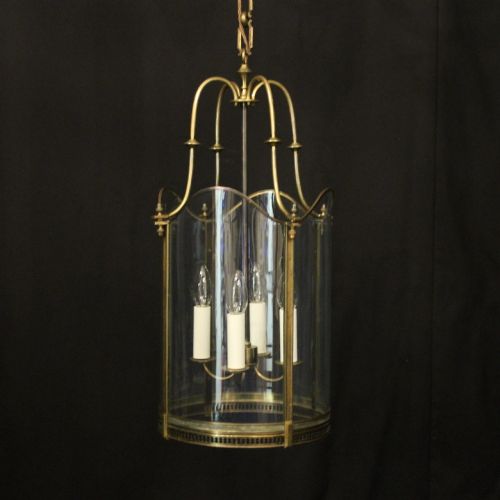
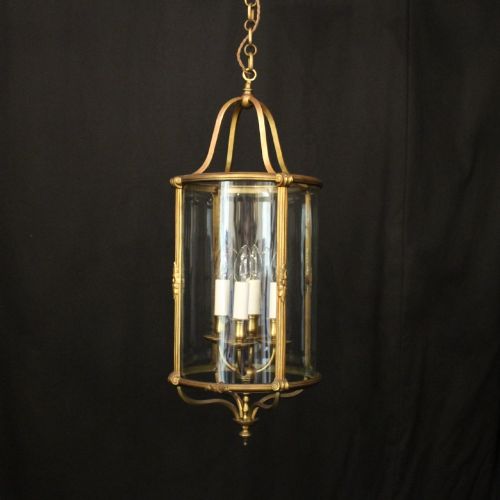
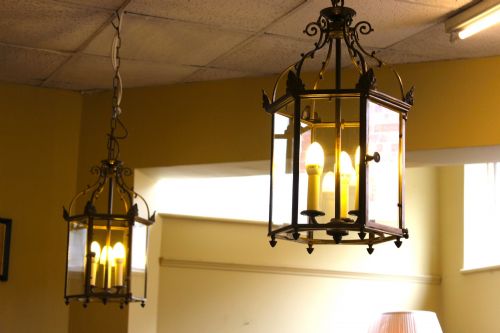
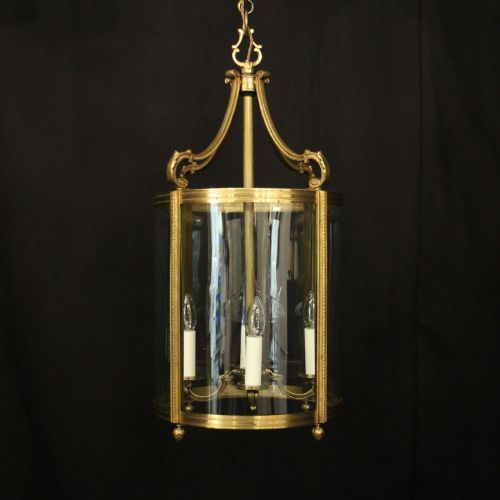
Classic hall lighting encompasses hanging lanterns, pendants, chandeliers, and wall sconces designed to illuminate entranceways and corridors. These fixtures establish an immediate impression upon entering a home, combining practical brightness with decorative presence.
The selection here draws heavily from French designs alongside Edwardian, Victorian, and Italian examples. Pieces span from the nineteenth century through the 1930s, offering distinct historical forms for domestic spaces.
Materials and construction
Metals form the structural backbone of these pieces, utilising brass, bronze, gilt bronze, steel, silvered metal, gilded metal, and wrought iron. Artisans shaped and cast these metals into sturdy frames capable of supporting glass panels and multiple lights.
Glass panels enclose the illumination sources within hanging lanterns and ceiling lights, diffusing the light evenly across the hall. Metalwork ranges from simple geometric brass frames to elaborate gilded bronze and silvered configurations.
Classic Hall Lighting Retail Price Guide 2026
Typical asking prices for classic hall lighting among the pieces listed under this phrase on Sellingantiques today, from the lower quarter to the upper quarter. They describe what is for sale here now, not the wider market.
Several lanterns are large enough to comfortably house a very small, highly luminous ghost.
Distinctions in quality
Quality reveals itself in the weight and refinement of the metalwork, distinguishing heavy cast bronzes and solid brass from lighter constructions. The crispness of detail in chased or moulded metal surfaces separates standard production from finer examples.
Proportion and scale dictate the visual impact of a fixture within an entryway. Larger oversized lanterns and multi-light chandeliers demand superior structural integrity and careful balancing to hang correctly.
The Classic Hall Lighting Glossary
- Hall lantern
- A hanging light fixture enclosed in glass, traditionally placed in entrance halls to protect the flame or bulb from drafts.
- Gilt bronze
- Bronze coated with a thin layer of gold, providing a rich, lasting metallic finish often seen on French decorative pieces.
- Sconce
- A wall-mounted lighting fixture designed to hold bulbs or candles, directing illumination across corridors and entryways.
- Chandelier
- A branched, multi-light ceiling fixture suspended to provide central illumination in larger rooms and grand halls.
- Hexagonal
- Having six sides, a geometric form frequently utilised in the frames of period hanging lanterns.
Classic Hall Lighting: Frequently Asked Questions
How do I choose the right size hall lantern?
Consider the height of your ceiling and the floor area of the entranceway to ensure proper visual balance. Larger oversized lanterns require substantial vertical clearance so they do not obstruct movement below.
Measure the width of the hallway to determine whether a compact single-light fixture or a wider multi-light chandelier suits the space. The scale of the lantern should complement the proportions of the surrounding architecture without overwhelming the room.
Where should hall wall sconces be positioned?
Wall sconces are typically mounted on either side of a mirror, doorway, or console table to create balanced illumination in an entryway. Placing them at eye level ensures comfortable lighting without direct glare.
Ensure there is enough clearance for people passing through narrow corridors. Sconces with projecting arms require careful placement to avoid being bumped in busy traffic areas.
How do I identify Edwardian lighting?
Edwardian lighting frequently employs clean brass frames and simpler geometric shapes compared to heavily ornamented Victorian predecessors. These pieces reflect a shift towards lighter, airier interiors during the early twentieth century.
Look for refined proportions and restrained decorative details such as hexagonal brass frames. Materials from this era prioritize functional elegance suited for welcoming entrance halls.