



Classic Hall Console
A classic hall console provides a definitive architectural anchor for an entranceway, combining clean surface space with distinct period presence.
Classic Hall Console
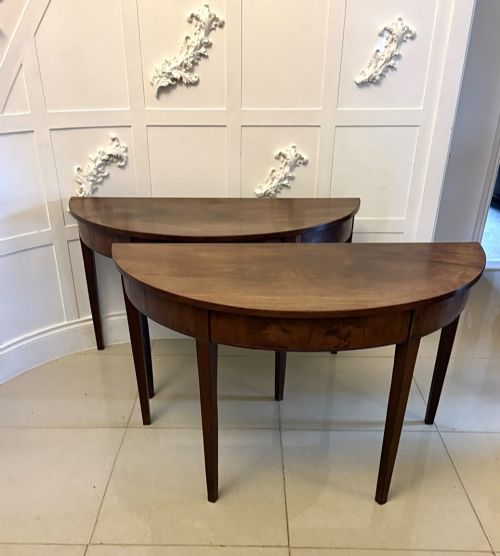
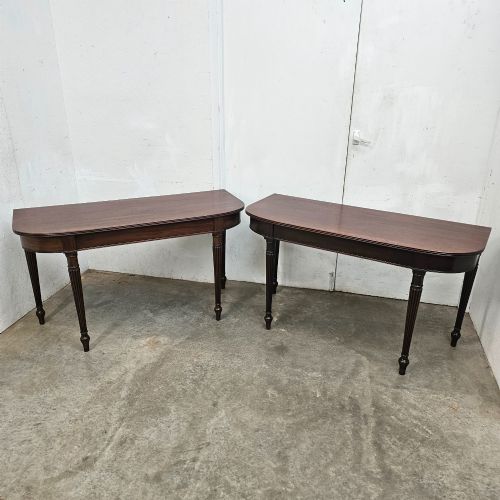
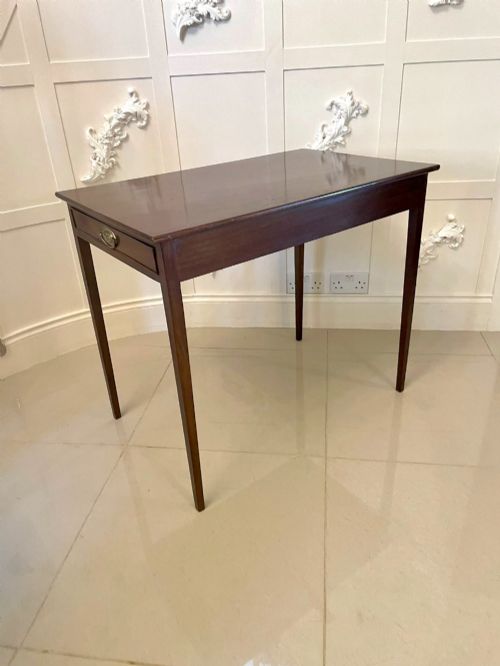
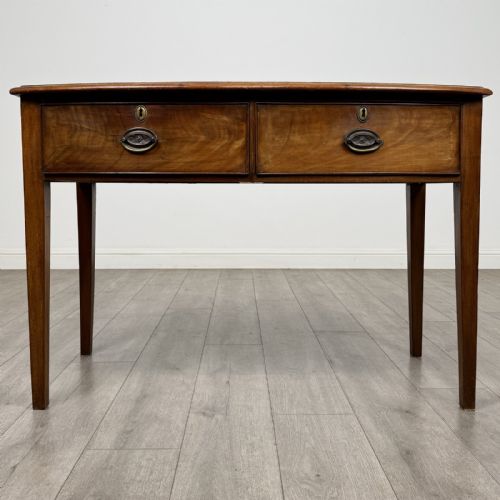
A classic hall console encompasses console tables, side tables, and sofa tables designed to stand against entrance and hallway walls. These pieces serve as a focal point in a passageway while offering a practical surface for everyday items.
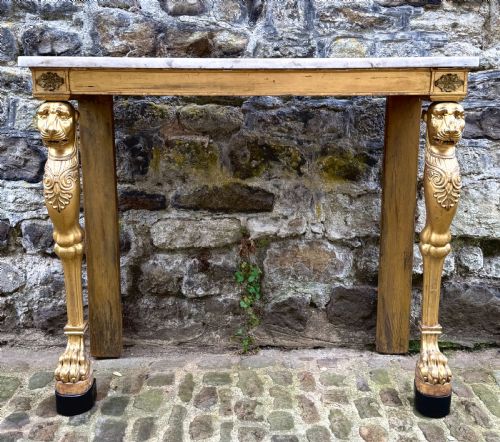
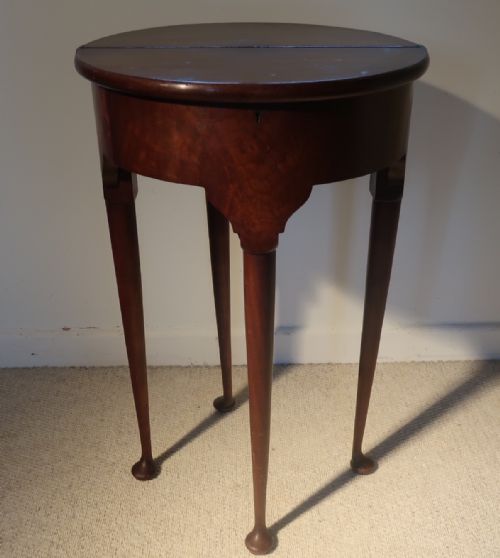
Buyers meet several regional and period variations across these listings, spanning the Georgian, Regency, and Victorian eras. Mahogany, walnut, and rosewood forms dominate, frequently paired with marble tops or intricate giltwood frames.
Makers and workshops from specific design movements are represented, including pieces attributed to James Mein of Kelso and Epstein and Co. The selection ranges from severe classical lines to revived Queen Anne and Empire styles.
Materials and Construction
Cabinet makers utilised dense hardwoods such as mahogany and rosewood, often applying burr birch or crossbanding for visual depth. Structural stability relied on traditional joinery techniques suited to narrow table formats intended for wall placement.
Giltwood and ebonised wood finishes provided surface contrast, whilst selected pieces integrated heavy marble slabs into the upper frame. Brass mounts and tapered legs completed the construction vocabulary of the period.
Classic Hall Console Retail Price Guide 2026
Typical asking prices for classic hall console among the pieces listed under this phrase on Sellingantiques today, from the lower quarter to the upper quarter. They describe what is for sale here now, not the wider market.
Listings feature mahogany, rosewood, burr birch, and walnut timbers alongside marble and giltwood finishes across Georgian and Regency periods.
Assessing Quality and Execution
The distinction between standard examples and superior pieces rests on the precision of timber selection and secondary woods. Grain matching across crossbanded surfaces and the crispness of carved giltwood details indicate the maker's competence.
Attribution to known workshops, such as James Mein or Epstein and Co, elevates a piece through documented provenance. Original hardware, undisturbed patination, and substantial materials like marble tops separate exceptional tables from utilitarian alternatives.
James Mein Kelso·Epstein and Co
The Classic Hall Console Glossary
- Crossbanding
- A strip of veneer applied to the edge of a table top running perpendicular to the main grain. This technique creates a distinct border that frames the primary timber.
- Giltwood
- Timber treated with gold leaf or gold paint to imitate solid gold. It appears frequently on decorative frames from the Regency and Empire periods.
- Burr birch
- Wood harvested from tree growths that produce complex, swirling grain patterns. Cabinet makers prized this material for decorative veneering on prominent surfaces.
- Console table
- A table designed to be fixed against a wall, traditionally supported by wall brackets or decorative legs. These tables maximise hallway space while providing display surfaces.
Classic Hall Console: Frequently Asked Questions
Where should I place a console table?
A classic hall console suits narrow entranceways, hallways, and reception rooms where floor space is limited. Their shallow depth allows them to sit flush against a wall without obstructing foot traffic.
Positioning one beneath a mirror or artwork creates a balanced display area upon entering a property.
What is a sofa table?
A sofa table is a specific form of side table designed to stand immediately behind a sofa or against a wall. They generally feature drop leaves on either side and integrated drawers.
In modern interiors, they function effectively as narrow console tables in hallways.
Are marble top tables practical?
Marble tops offer a durable and heat-resistant surface that handles daily use in busy hallways. They provide a cool, solid counterpoint to the timber frames below.
Care involves avoiding acidic liquids that can etch polished stone surfaces.