





Classic Gold Necklace
A classic gold necklace carries a quiet authority, bringing together precious metal and careful lapidary work in a form that sits directly against the skin.
Classic Gold Necklace
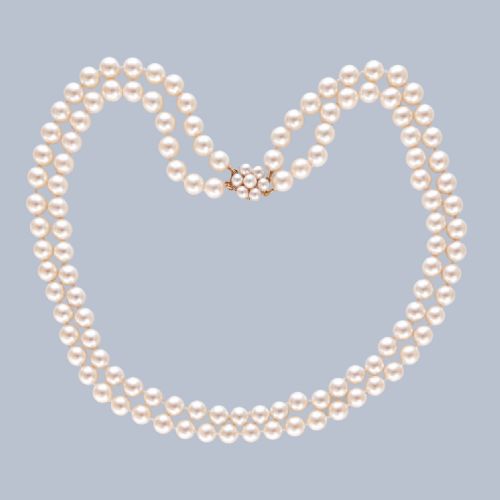
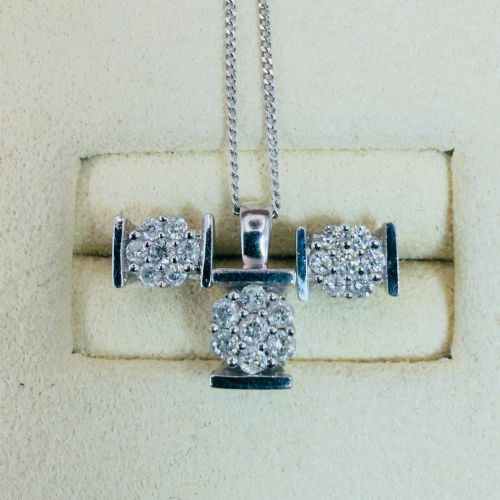
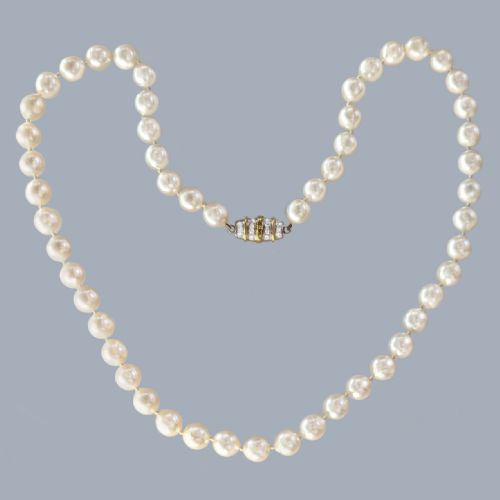
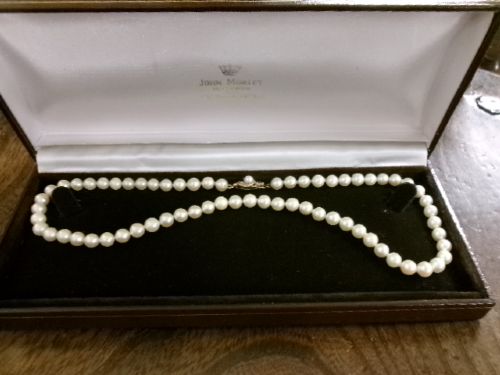
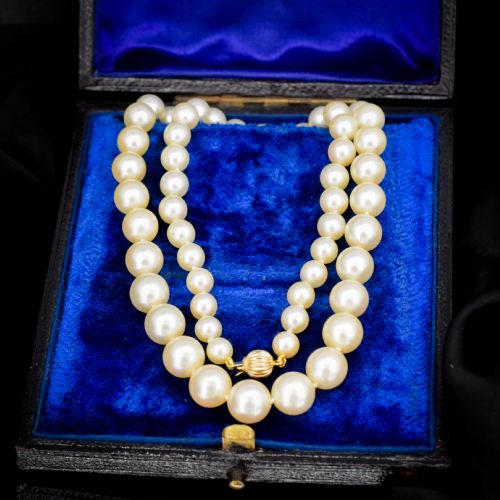
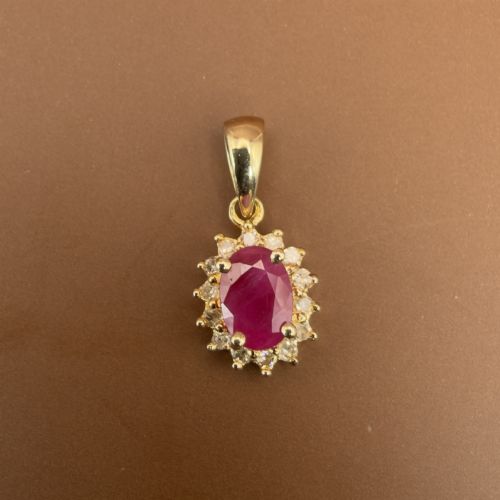
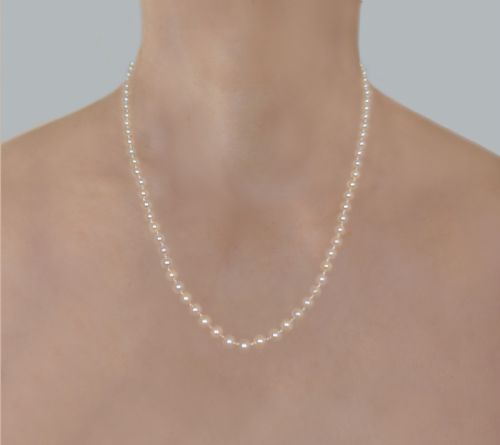
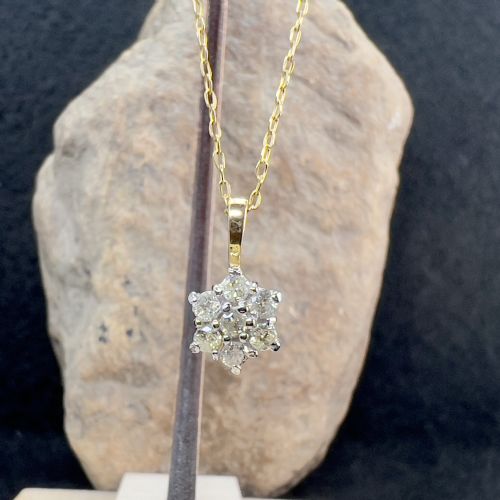
When you search for a classic gold necklace, you encounter items that span from Edwardian strands to mid-century pendants. The selection on this page relies heavily on pearl necklaces featuring gold clasps, alongside diamond clusters and pendants set in various carats of yellow and white gold.
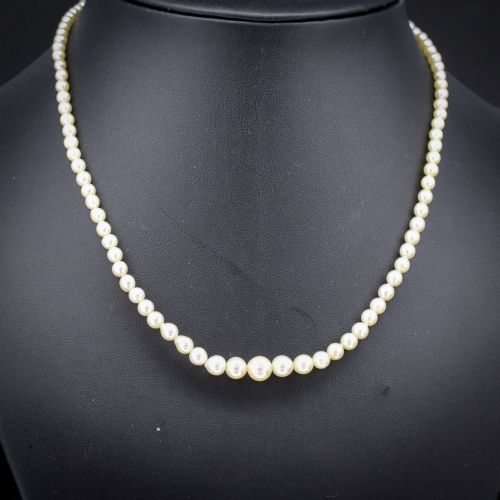
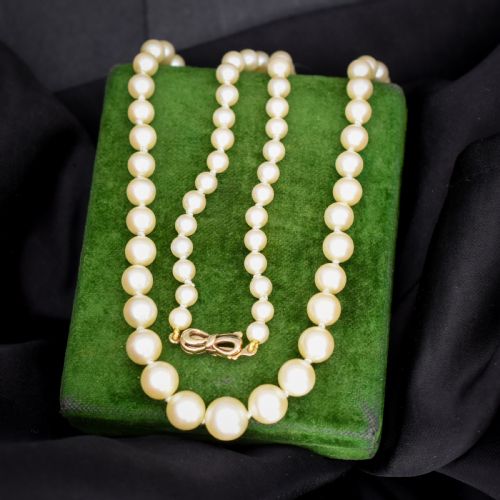
Most pieces date from the 1930s through to the 1960s, reflecting mid-century design alongside earlier traditional influences. You will frequently find cultured pearl strands secured by engraved or gem-set 9ct gold clasps, alongside solitary diamond pendants in 14ct and 18ct gold settings.
How they were made
Makers constructed these pieces using yellow gold, white gold, and distinct carats ranging from 9ct to 18ct, often incorporating cultured pearls, diamonds, sapphires, rubies, and turquoise. Pearls were frequently strung by hand and knotted between each bead to protect the silk and prevent loss.
Metalwork techniques involve casting, stone setting, and precise clasp engineering. Pendants display claw-set or cluster arrangements of diamonds and coloured stones secured to fine gold chains.
Classic Gold Necklace Retail Price Guide 2026
Typical asking prices for classic gold necklace among the pieces listed under this phrase on Sellingantiques today, from the lower quarter to the upper quarter. They describe what is for sale here now, not the wider market.
Listings feature 9ct, 14ct, and 18ct gold alongside cultured pearls, diamonds, sapphires, and rubies dating from the Edwardian era to the 1960s.
What varies in quality
Quality rests upon the uniformity and lustre of the pearls, the cut and clarity of any set diamonds, and the substantial weight of the gold mount. Superior pearl strands display consistent sizing, matching lustre across every bead, and secure hand-knotting.
The sophistication of the clasp design often dictates the overall calibre of the jewellery. Finer examples feature intricate floral or geometric mountings set with small diamonds or sapphires rather than plain metal.
Cropp and Farr·Gallia
The Classic Gold Necklace Glossary
- Graduated pearl
- A strand where the pearls increase steadily in diameter from the ends toward the centre. This traditional arrangement demands careful sorting of the harvest.
- Cultured pearl
- An oyster-produced pearl formed by the introduction of a nucleus by humans. They dominate the mid-century pieces found in this inventory.
- Solitaire pendant
- A single gemstone suspended from a chain. In these listings, they appear primarily as diamonds set in white or yellow gold.
- Cluster pendant
- A central gemstone surrounded by a border of smaller stones, typically diamonds. This layout maximises the visual impact of smaller carats.
Classic Gold Necklace: Frequently Asked Questions
How do I wear a long pearl necklace?
Long pearl strands, sometimes measuring up to fifty inches, offer versatility in how they sit against garments. You can drape them as a single continuous line or double them over for a layered effect.
The weight of the gold clasp often anchors the piece at the back or side when doubled. This length originates largely from mid-century styling preferences for adaptable evening wear.
What is the difference between 9ct and 18ct gold?
Gold carat indicates the purity of the metal alloy, with 9ct containing a higher proportion of strengthening base metals than 18ct. This affects the colour richness and durability of the clasp or pendant setting.
Lower carats provide greater resistance to daily wear, which explains their frequent use in functional necklace clasps. Higher carats present a deeper yellow hue prized in traditional fine jewellery.
How are pearls secured on vintage strands?
Traditional pearl necklaces utilise silk thread that is hand-knotted between each individual pearl. This technique stops the entire strand from unravelling if the cord breaks.
Inspection of the knots near the gold clasp reveals whether a piece maintains its original stringing or has undergone recent professional re-securing.
Can I mix yellow and white gold?
Mid-century and antique jewellery frequently combines white gold settings for diamonds with yellow gold chains or clasps. This historical practice allows you to pair different metal tones naturally.
The presence of mixed metals in single pieces, such as diamond clusters mounted in white gold on yellow gold strands, demonstrates period manufacturing norms.