





Classic Georgian Tallboy
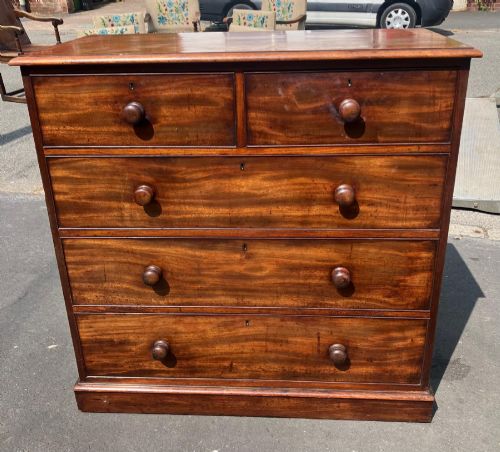
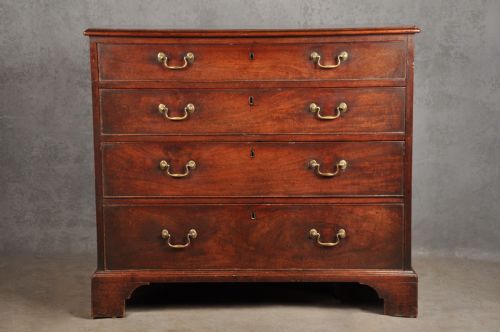
These classic georgian tallboy pieces bring structured storage and rich timber grain to a room, standing as practical centrepieces of period furniture.
Classic Georgian Tallboy
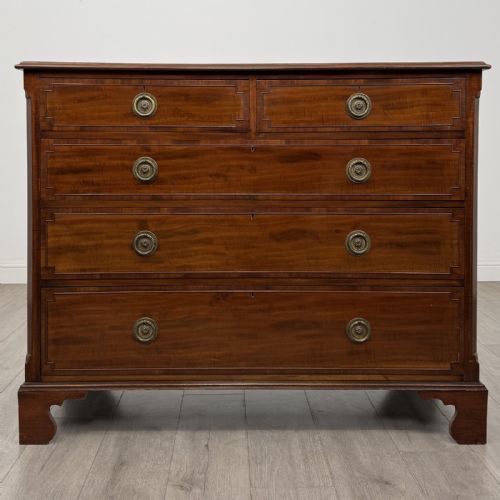
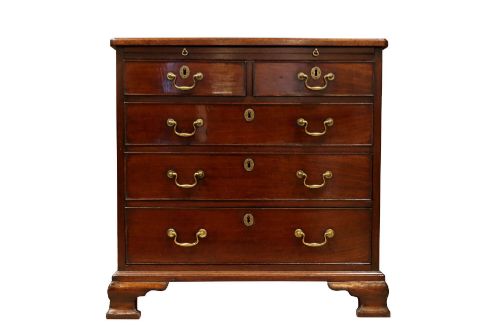
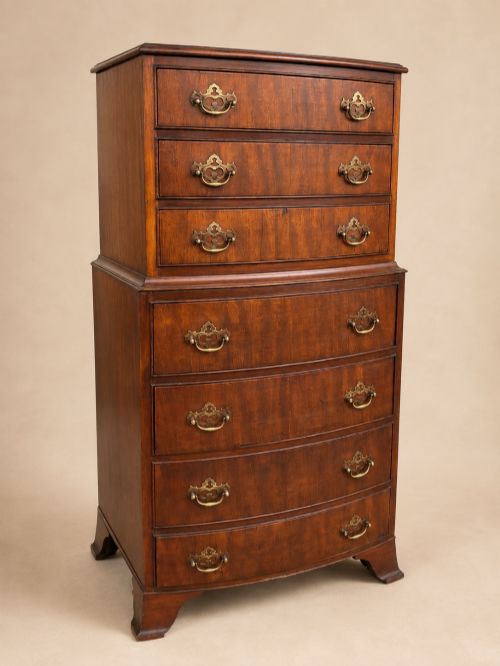
A classic georgian tallboy combines upright storage with the proportions of the eighteenth century, offering generous drawer space without claiming too much floor area. Most examples encountered here take the form of chests of drawers or chest on chest configurations, sometimes incorporating a brushing slide or secretaire compartment.
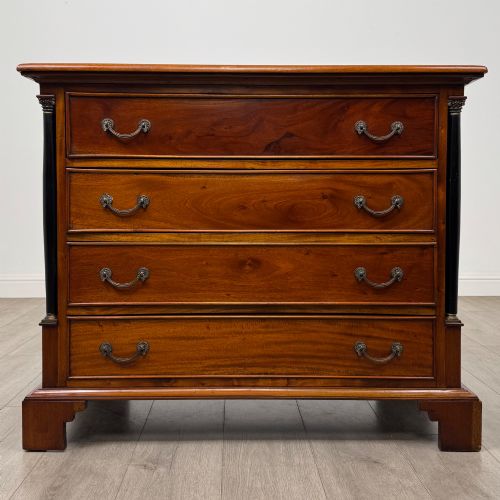
The materials span mahogany, walnut, flame mahogany veneer, and oak, often detailed with boxwood inlay or brass handles and bracket feet. Pieces range from genuine Georgian and George III periods through to later revival interpretations from the Edwardian era and the nineteen-twenties.
Buyers select these items to anchor a bedroom or hallway with functional antique character. The variety includes bow front profiles alongside straight fronts, reflecting both regional cabinet-making traditions and stylistic shifts across the centuries.
Materials and construction
Makers utilised solid timbers such as mahogany, walnut, and oak for structural integrity, applying flame mahogany veneers to drawer fronts for visual depth. Secondary woods like pine appear in internal drawer linings and backboards.
Construction relied on dovetailed drawer joints and solid bracket feet, complemented by cast brass drop handles and escutcheons. Inlaid boxwood lines and stringing added fine decorative contrast to the primary surfaces.
Classic Georgian Tallboy Retail Price Guide 2026
Typical asking prices for classic georgian tallboy among the pieces listed under this phrase on Sellingantiques today, from the lower quarter to the upper quarter. They describe what is for sale here now, not the wider market.
A pull-out slide hides quietly behind the moulding, waiting to catch your cuff-links or cup of tea.
Judgments of quality
Quality rests in the crispness of the timber grain, particularly the choice of flame mahogany veneer, and the restraint of decorative inlay. Better examples exhibit precise dovetailing and well-proportioned bracket feet that elevate the piece visually.
The retention of original brass hardware and surface patination distinguishes superior items from later replacements. Cohesion between the primary timber and secondary woods indicates careful workshop assembly.
C Hindley
The Classic Georgian Tallboy Glossary
- Tallboy
- A tall chest of drawers, often constructed as one chest stacked upon another chest to maximise vertical storage. This form provides substantial capacity while maintaining a compact footprint.
- Brushing slide
- A pull-out shelf integrated above the top drawers, historically used for folding clothes or writing notes. It slides flush into the cabinet frame when not in use.
- Bracket foot
- A structural foot shape resembling a bracket, commonly found on eighteenth-century case furniture. It lifts the body of the chest cleanly off the floor.
- Secretaire
- A cabinet or chest featuring a fitted writing drawer that drops down to reveal small compartments and pigeonholes. This combines desk utility with standard drawer storage.
- Flame mahogany veneer
- Thin slices of mahogany cut from timber forks where the grain creates a distinctive flickering pattern. Cabinet-makers laid these veneers across prominent drawer surfaces for decorative effect.
Classic Georgian Tallboy: Frequently Asked Questions
What is a tallboy used for?
A tallboy provides vertical storage for clothing and household linens within a narrow footprint. The stacked drawer design makes efficient use of wall space in bedrooms.
Historically, the upper drawers held smaller garments while deeper lower drawers accommodated bulkier textiles. Many versions also included a pull-out slide for temporary sorting.
How do I spot a Georgian piece?
Look for timber selection, particularly solid mahogany or walnut, combined with hand-cut dovetail joints on the drawers. Bracket feet and brass drop handles are also characteristic of the period.
Revival pieces from later eras often mimic these traits but differ in internal construction details and secondary woods like pine. Inspecting the drawer linings and backboards reveals the true age of construction.
Where does a tallboy fit best?
A tallboy suits bedrooms, dressing rooms, and large hallways where vertical storage is required without occupying excessive floor space. Its upright proportions draw the eye upward.
Keep these pieces away from direct heat sources and strong sunlight to protect the timber and veneer surfaces from drying out.
What is a chest on chest?
A chest on chest is a specific form of tallboy consisting of an upper chest of drawers stacked directly onto a slightly larger lower chest. This two-part construction made heavy furniture easier to transport.
The separation point usually sits at waist height, often concealed by a moulded cornice or stringing detail between the sections.