





Classic French Seats
These classic french seats bring warmth and character to a room, offering both practical comfort and enduring style.
Classic French Seats
When searching for classic french seats, buyers encounter a diverse selection of period furnishings ranging from nineteenth century pieces to twentieth century designs. The available forms include armchairs, sofas, settees, benches, and stools that reflect various historical aesthetics.
Most pieces met on this page belong to the nineteenth century or the early twentieth century, spanning eras such as Art Deco, Louis XVI, French Napoleon III, Regency, and French Provincial. These seating options originate from different workshops and periods, bringing distinct regional character into modern interiors.
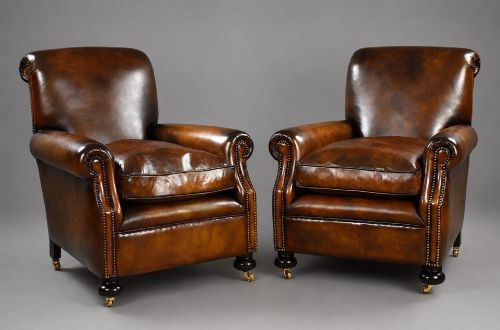
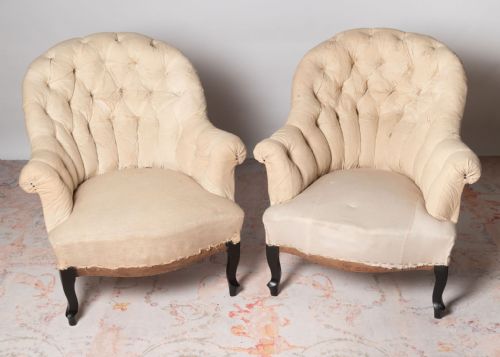
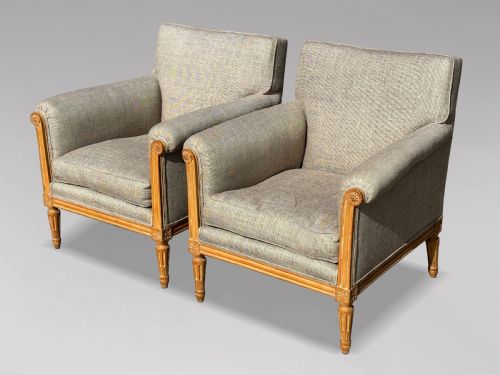
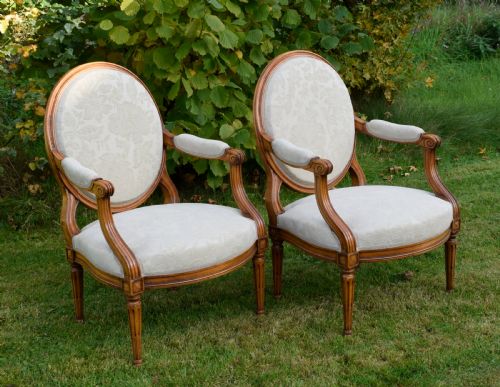
Makers and artisans utilised traditional woodworking and upholstery techniques to create robust frames and comfortable seating. Buyers often find pairs of leather club chairs, giltwood sofas, and fully upholstered open armchairs ready for domestic placement.
How they were made
Makers constructed the structural frames of these seats using sturdy timber and wood, frequently embellishing them with giltwood details, brass accents, and carved motifs. These materials provided the necessary foundation to support grand sofas and sturdy armchairs alike.
Upholstery forms a vital component of the construction, utilising linen, damask, leather, and various traditional fabrics. Artisans secured these textiles over padded interiors to ensure both durability and tactile comfort in daily use.
Classic French Seats Retail Price Guide 2026
Typical asking prices for classic french seats among the pieces listed under this phrase on Sellingantiques today, from the lower quarter to the upper quarter. They describe what is for sale here now, not the wider market.
One unexpected listing among the wooden furniture and leather chairs is an oil on canvas depicting a female nude.
What varies in quality
The sophistication of the timber carving and the richness of the giltwood finish distinguish finer examples from simpler provincial pieces. Superior items display crisp detailing on the frames and harmonious proportions that reflect their specific stylistic period.
The choice and execution of upholstery materials also determine the overall standard of the piece, with premium leathers and heavy damasks elevating the texture. Original fabric selections and the integrity of the underlying padding dictate how authentically a seat retains its historic character.
The Classic French Seats Glossary
- Giltwood
- Wood that has been treated with gold leaf or gold paint to create a lustrous decorative surface. This finish appears frequently on formal nineteenth century frames.
- Damask
- A reversible figured fabric traditionally woven on a jacquard loom with patterns such as florals or fruit. It offers a formal texture suited to period upholstery.
- Art Deco
- A design style from the early twentieth century characterised by sleek lines and geometric forms. Pieces from this era often feature smooth leather upholstery.
- Louis XVI Revival
- A nineteenth century design movement that reinterprets eighteenth century neoclassical motifs. It typically incorporates straight tapered legs and symmetrical carved details.
Classic French Seats: Frequently Asked Questions
Where should I place these seats?
These seating options suit living rooms, studies, and hallways depending on their size and form. Armchairs and sofas provide functional lounging spaces, while benches and window seats fit well in narrower passageways.
Matching a piece to its period style helps integrate it into an existing interior scheme. Lighter frames add elegance to corners, whereas leather club chairs anchor a room with a robust presence.
How do I care for leather club chairs?
Leather upholstery requires regular dusting and occasional conditioning to prevent the hide from drying out over time. Keeping these chairs away from direct sunlight and heat sources preserves the suppleness of the material.
Avoiding harsh chemical cleaners ensures the natural patina remains undisturbed. Gentle cleaning with appropriate leather balms maintains the depth of colour found in twentieth century examples.
What defines Art Deco seating?
Art Deco seating emerges from the early twentieth century with streamlined silhouettes and smooth leather surfaces. These pieces depart from heavily carved nineteenth century styles by prioritising geometric simplicity and comfort.
Such chairs function well as statement pieces in contemporary or eclectic settings. Their unadorned leather upholstery highlights the quality of the hide rather than elaborate woodwork.