





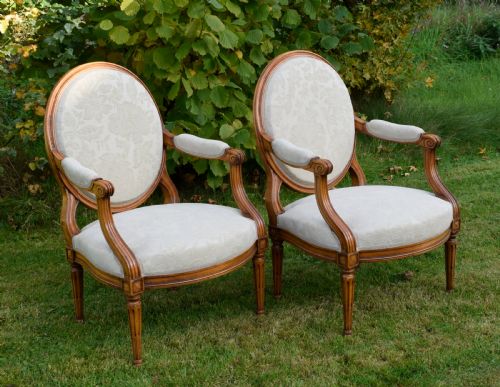
Classic French Seating
Classic french seating brings warmth and character to a room through centuries of refined craftsmanship.
Classic French Seating
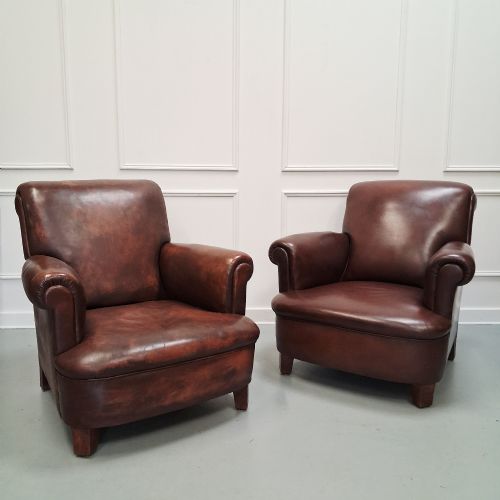
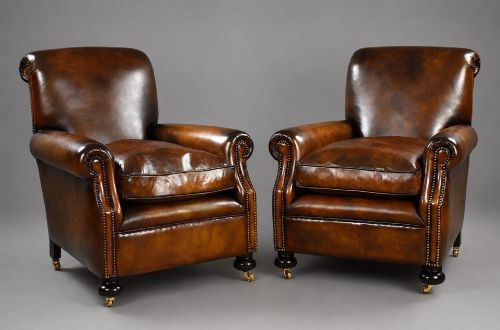
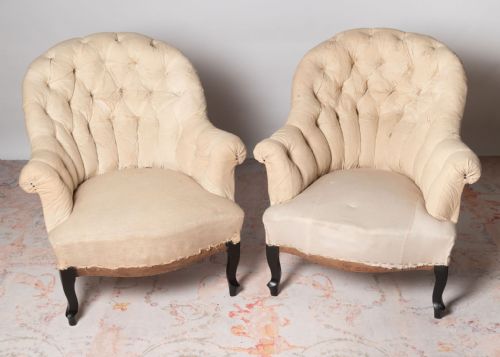
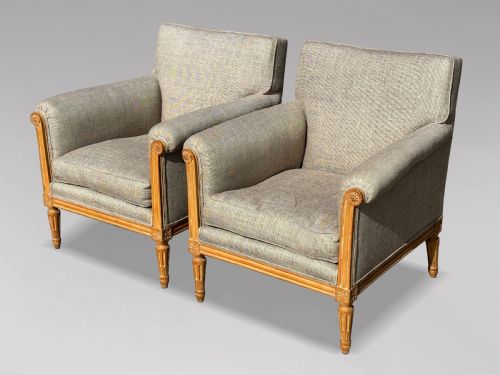
Classic french seating encompasses a rich variety of historical forms ranging from nineteenth century giltwood sofas to twentieth century club armchairs. Buyers searching for classic french seating generally encounter nineteenth century armchairs, twentieth century leather club chairs, and occasionally window seats or couches. The selection draws on diverse stylistic influences including Louis XVI revival, Art Deco, and French provincial designs.
Armchairs, settees, and benches form the core of the available seating inventory on this page. These pieces span periods from the nineteenth century through the 1930s, offering substantial wood frames paired with traditional upholstery fabrics. Alongside the wooden frames and armchairs, occasional items such as long stools and open armchairs complete the grouping.
The materials visible across these pieces reflect a traditional palette dominated by timber, wood, and giltwood. Upholstery choices vary from plain linen and damask to supple leather and decorative fabric. Brass details also appear on select pieces, adding subtle metallic contrast to the frames.
Materials and Construction
Construction relies heavily on sturdy wood and timber framing to provide structural support for the upholstered forms. Giltwood finishes are applied to select nineteenth century frames to create a decorative surface sheen. Brass components appear selectively for hardware or structural accents.
Classic French Seating Retail Price Guide 2026
Typical asking prices for classic french seating among the pieces listed under this phrase on Sellingantiques today, from the lower quarter to the upper quarter. They describe what is for sale here now, not the wider market.
An oil on canvas of a female nude shares seating space with nineteenth century giltwood sofas.
Quality Variations
Quality differences emerge in the execution of carved wooden details and the overall crispness of the frame ornamentation. Giltwood surfaces show variance in how finely the gold leaf is applied and preserved over time. Timber frames demonstrate different levels of joinery skill and structural integrity.
Upholstery materials range from basic fabric coverings to high grade leather and damask textiles. The handling of leather on club chairs determines how well the material ages and develops character. Fabric tautness and padding resilience also distinguish superior upholstery work from standard execution.
The Classic French Seating Glossary
- Giltwood
- Wood that has been treated with gold leaf or a gold-coloured metallic finish. This decorative treatment enhances formal nineteenth century seating frames.
- Cabriole leg
- A furniture leg that curves outward and then tapers inward with a pad foot. This form appears on eighteenth century and revival seating styles.
- Club armchair
- A deep, comfortable armchair typically upholstered in leather. These chairs became particularly popular during the Art Deco era.
- Louis XVI style
- A neoclassical design movement characterised by straight lines and classical motifs. It influences many nineteenth century French armchairs.
Classic French Seating: Frequently Asked Questions
What periods do these pieces come from?
The inventory spans the nineteenth century and the early decades of the twentieth century. Specific dates include items from around 1880, 1900, 1920, and 1930.
Buyers will find that older nineteenth century examples lean towards giltwood and revival styles, while twentieth century items often feature Art Deco club chairs.
How do I identify a club chair?
Club chairs are distinguished by their deep seats and low, enveloping armrests designed for lounging. They frequently appear in leather from the 1920s and 1930s.
These pieces prioritise comfort and substantial proportions over formal decorative carving.
Where do these seating items originate?
The pieces originate primarily from French workshops, reflecting stylistic traditions such as Louis XVI, provincial designs, and Art Deco movements. Italian regional pieces also occasionally appear.
This geographical range provides diverse aesthetic options for interior styling.
What materials are used in the upholstery?
Upholstery materials include leather, linen, damask, and standard decorative fabrics. Leather is most common on twentieth century club armchairs.
Traditional woven textiles are typically found on nineteenth century armchairs and settees.