
Classic French Chandelier
A classic french chandelier brings warmth and dramatic reflection to a high ceiling through disciplined brass, bronze, and crystal.
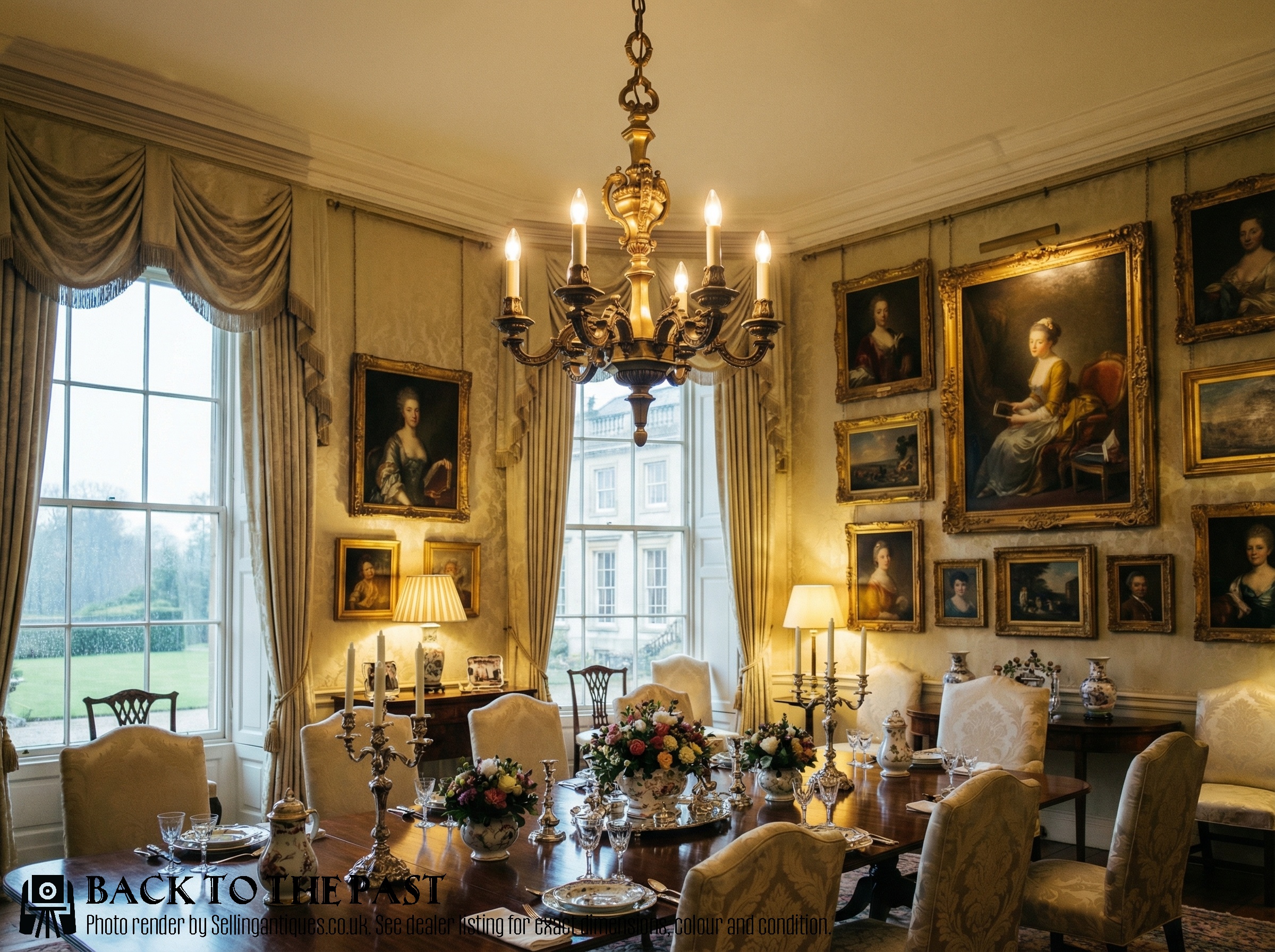
Classic French Chandelier
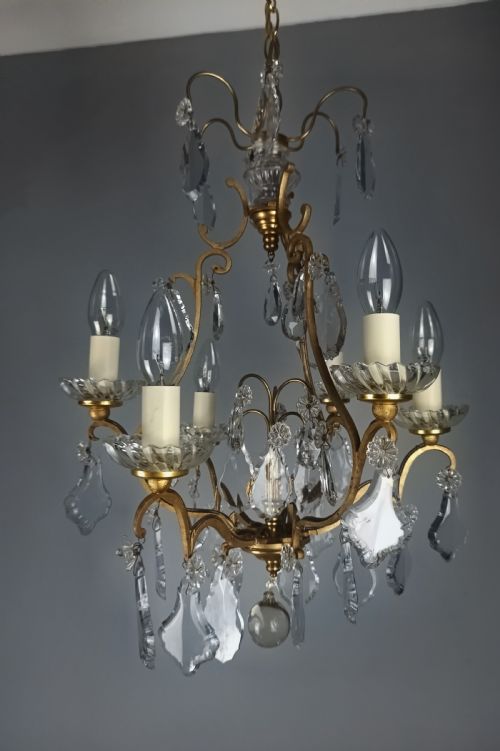
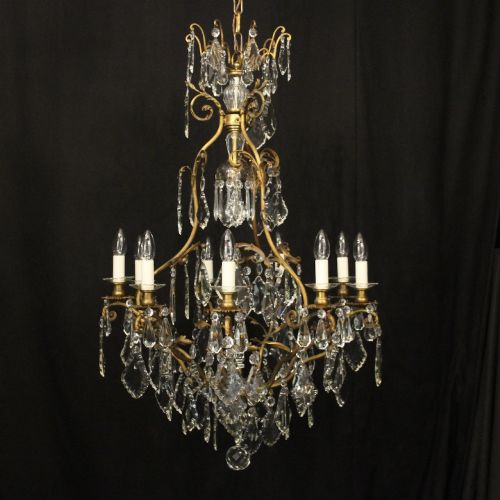
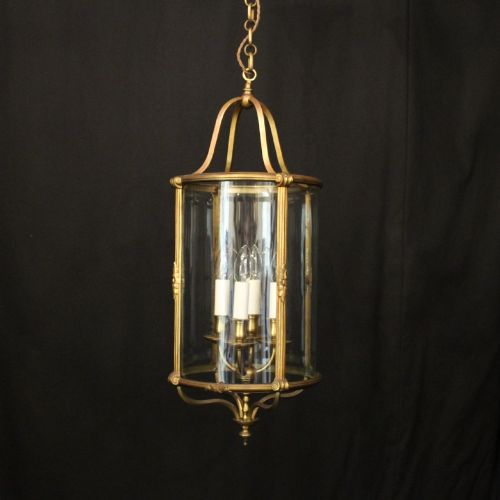
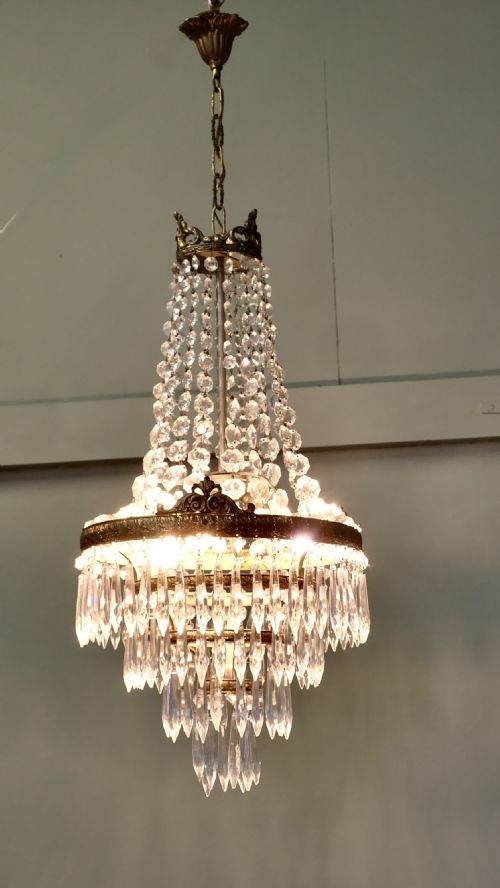
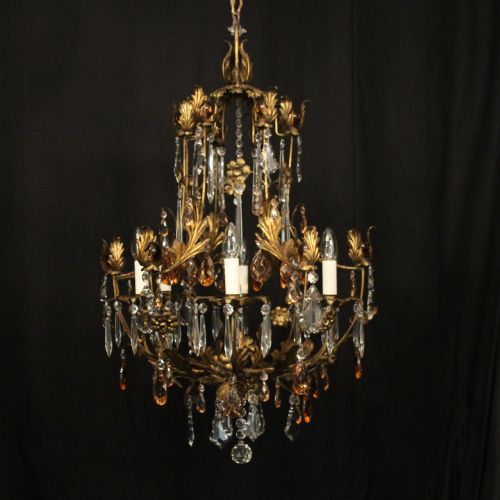
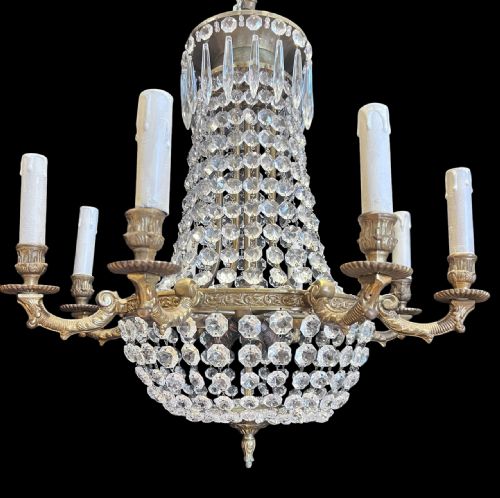
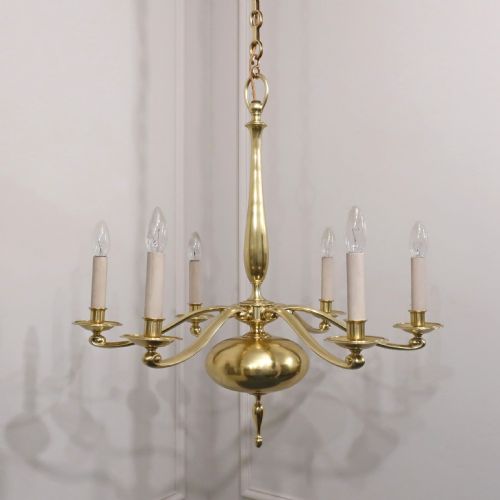
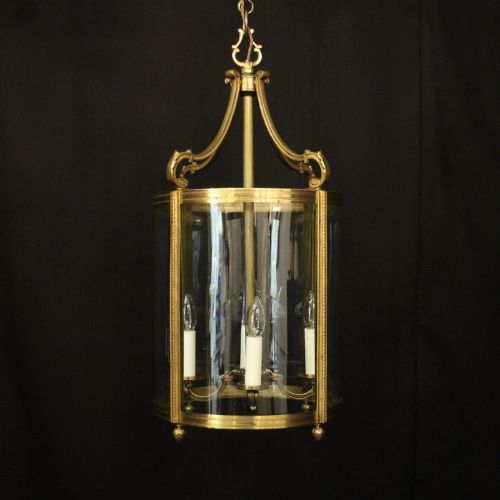
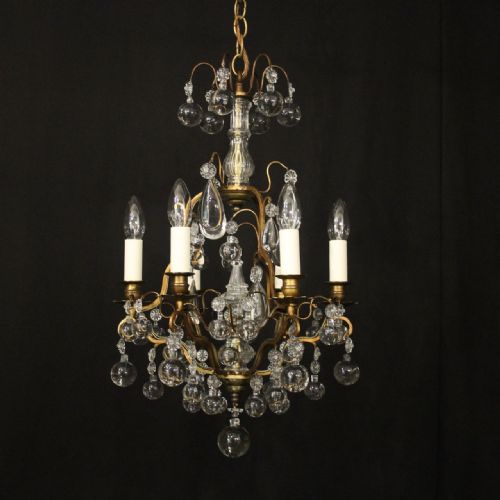
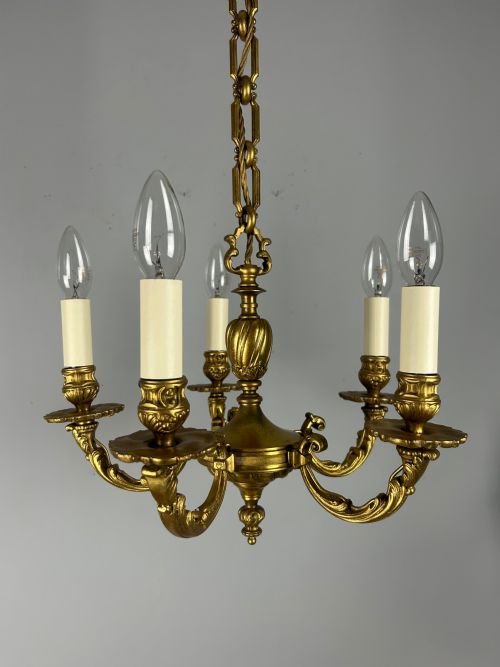
A classic french chandelier encompasses multi-arm ceiling fixtures originating from diverse historic periods including the nineteenth and early twentieth centuries. These pieces appear in varied formats such as birdcage frames, tent and waterfall constructions, and hanging hall lanterns.
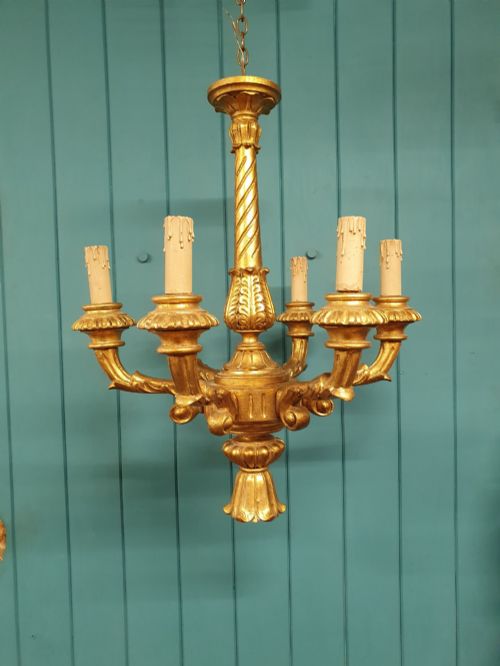
Buyers encounter distinct regional styles like French Empire, Rococo, and Neoclassical alongside related Victorian and Italian Florentine interpretations. The primary body types range from compact twelve-inch bag fixtures to large multi-tiered light installations carrying up to twelve or more arms.
Factors determining quality
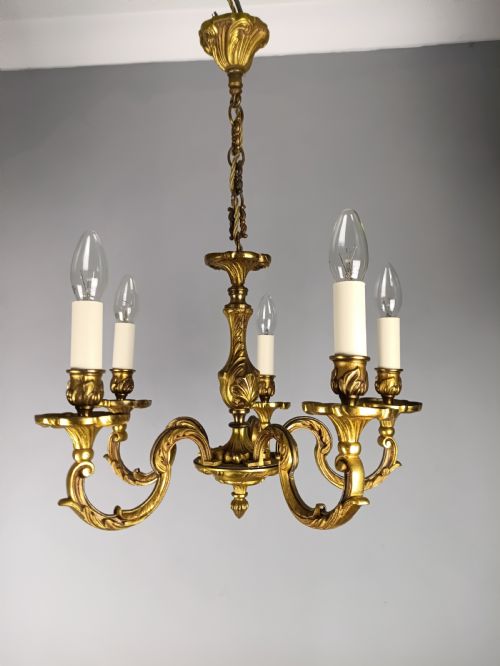
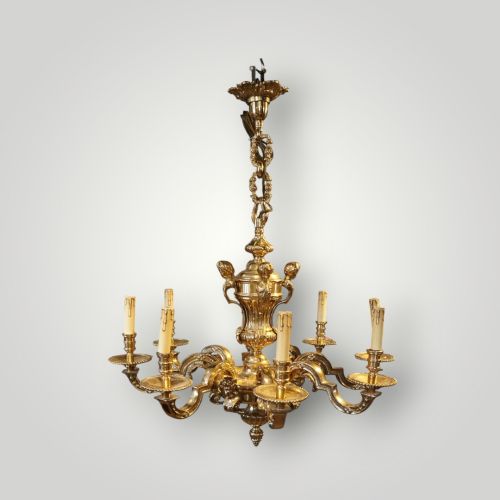
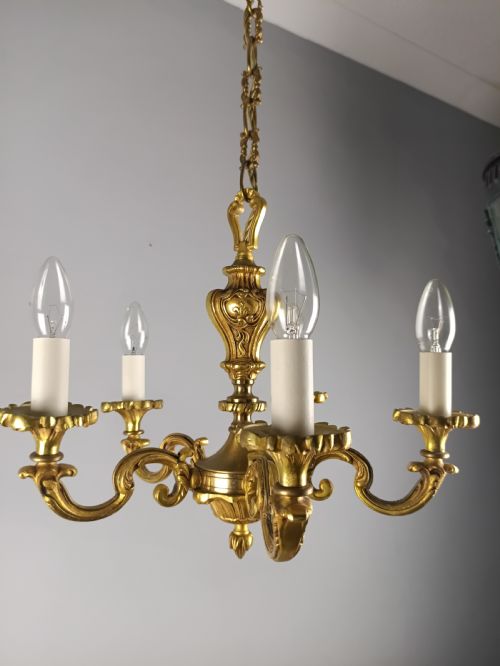
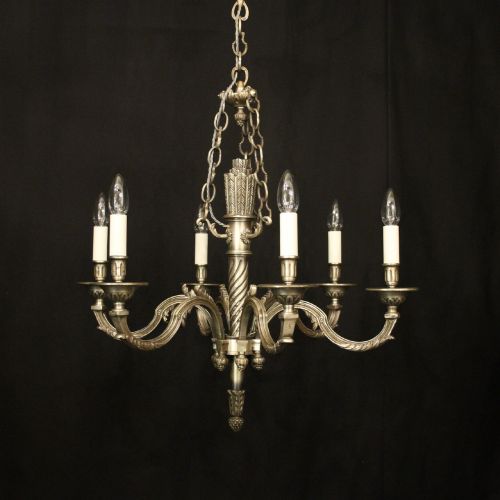
Superior examples demonstrate precision in the bronze casting and the depth of the subsequent gilding, showing crisp chased details across the arms and mounts. Lesser pieces exhibit softer casting definitions and simpler sheet metal components.
The clarity, cut, and weight of the crystal drops dictate optical brilliance, with heavier hand-cut prisms outperforming lighter moulded glass. The complexity of the frame design, from simple six-arm configurations to elaborate multi-tier waterfall structures, also separates standard productions from exceptional pieces.
The inventory spans the nineteenth century through to nineteen-thirty, uniting French Empire, Rococo Revival, and Art Nouveau metalwork.
G.E.C
The Classic French Chandelier Glossary
- Gilt Bronze
- Metal alloy coated with a thin layer of gold, commonly known as ormolu in French pieces. It provides a durable, lustrous surface that resists tarnishing.
- Waterfall Chandelier
- A lighting form defined by cascading strands of glass or crystal drops flowing outward from a central crown. This configuration maximises light reflection.
- Bag Tent Chandelier
- A compact lighting fixture featuring a flattened upper crown dropping down to a bag-like basket woven from small glass beads. These were often used in smaller rooms or halls.
- Birdcage Chandelier
- A metal frame structure shaped with curved vertical straps resembling an open birdcage. Crystal strands and candle arms attach directly to these curved ribs.
- Hall Lantern
- A closed or partially glazed hanging light fixture designed for entranceways and corridors. They combine metal framing with glass panels and internal candle branches.
Classic French Chandelier: Frequently Asked Questions
How do I hang a heavy antique chandelier?
Installation requires securing the fixture directly into ceiling joists or structural timber using a rated steel hanging hook and appropriate junction box. The substantial weight of gilt bronze and crystal demands professional weight-load verification.
Electrical wiring must also be evaluated to ensure modern safety standards are met while preserving the original internal channels of the brass or bronze arms.
What is the difference between Empire and Neoclassical styles?
Empire style fixtures lean toward military and classical Roman motifs, featuring bold laurel wreaths, sphinxes, and symmetrical tent-and-waterfall crystal arrangements from the nineteenth century. Neoclassical designs draw on earlier eighteenth-century symmetry with lighter, restrained floral swags and urn motifs.
Both styles utilise gilt bronze and cut crystal extensively, but Empire forms tend to present a heavier, more monumental silhouette.
How should I clean crystal drops on a chandelier?
Cleaning requires a mild solution of warm water and professional glass cleaner applied gently with a soft cloth while the crystals remain on the frame. Avoid harsh chemical sprays that can damage the underlying gilt bronze or brass surfaces.
For thorough restoration, individual crystal strands can be unpinned, washed separately, and reattached once dry.
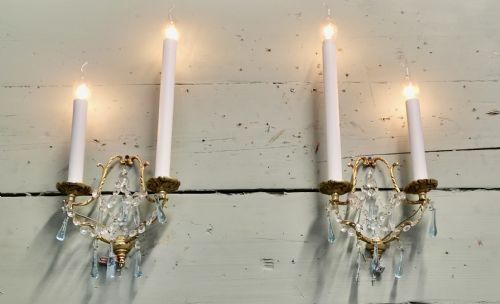
Where should I place a wall chandelier?
Wall lights and wall chandeliers suit entrance halls, dining rooms, or flanking large mirrors and fireplaces where ceiling height is limited. They provide secondary ambient lighting that complements a central overhead fixture.
Installation height typically places the centre of the backplate around eye level to balance the room proportions.