




Classic Framed Prints
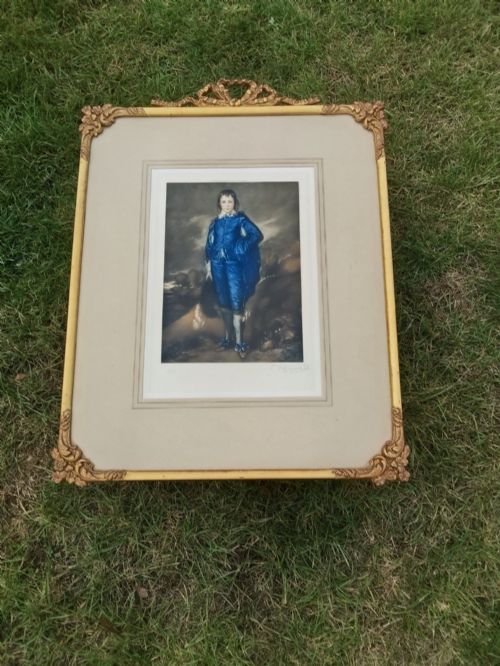
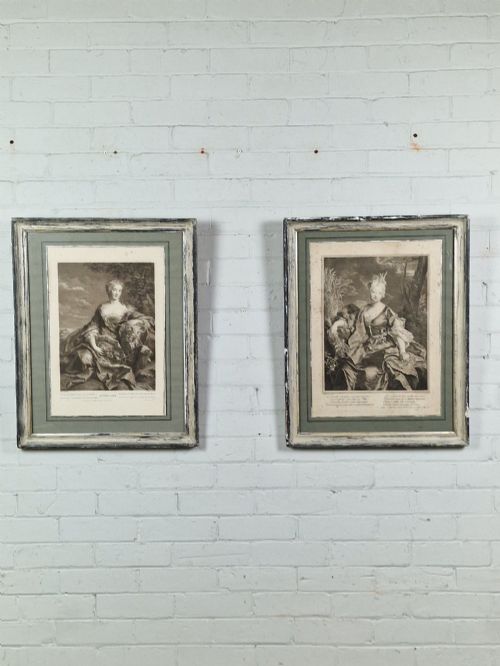
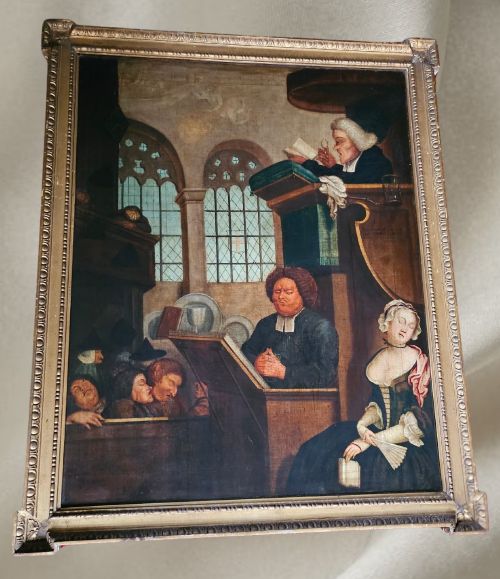
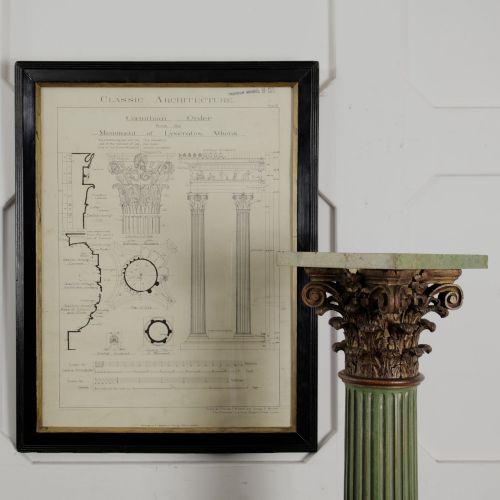
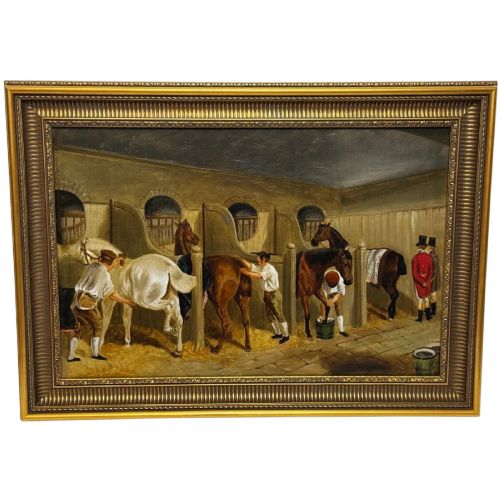
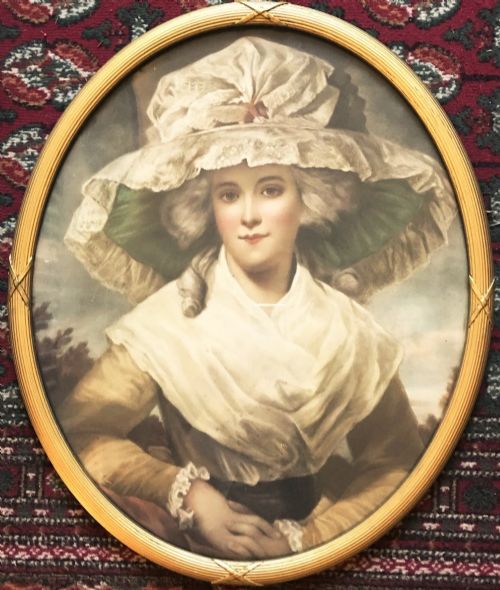
Classic framed prints gather centuries of portraiture, sporting subjects and architectural plates behind glass and wood.
Classic Framed Prints
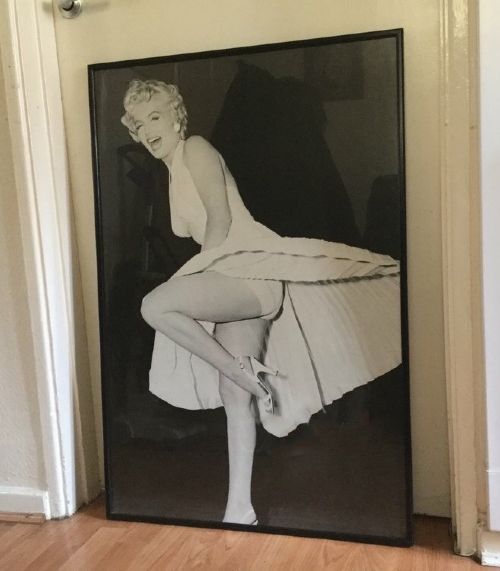
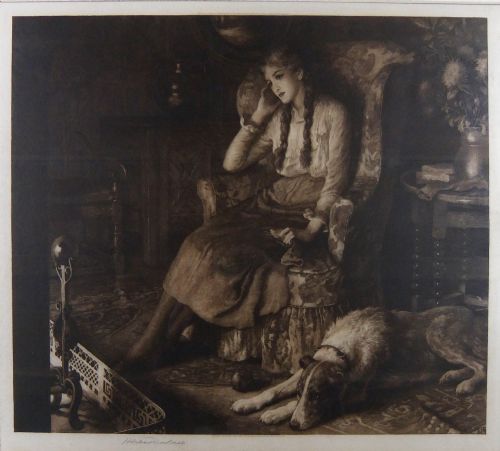
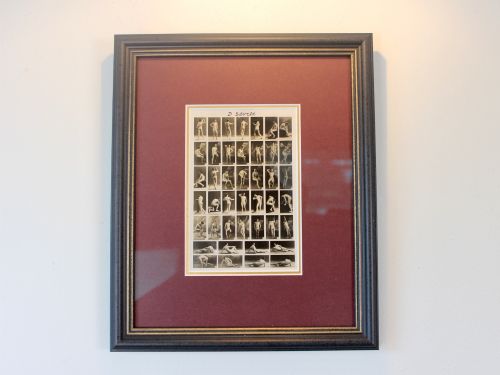
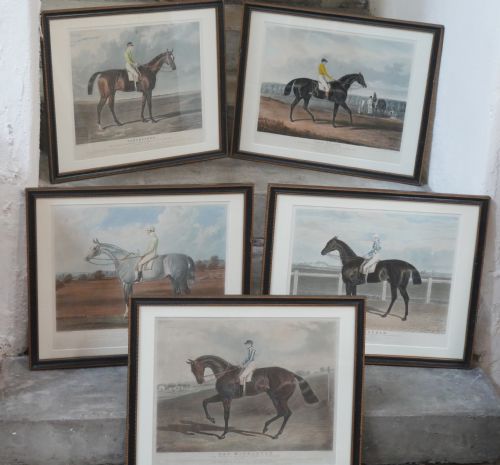
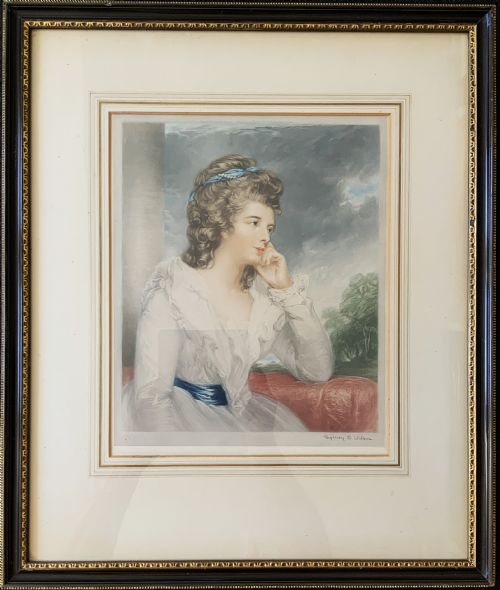
Buyers seeking classic framed prints encounter a diverse inventory spanning the eighteenth, nineteenth and twentieth centuries. The selection ranges from Victorian sporting engravings and Edwardian etchings to mid-century photographic contact sheets and film posters.
Engravings and etchings dominate the paper works, alongside photographic prints on board and poster formats. Frames utilise wood, gilt wood and gold leaf to enclose the imagery.
Materials and construction
Works utilise paper and canvas as the primary mediums for ink, etching and oil painting. Engravings rely on fine lines pressed into plates, whilst photographic prints capture mid-century subjects on board and paper.
Protection and presentation depend on glass panels fitted over the paper or canvas. Frames employ wood structures finished with gilt wood or gold leaf.
Classic Framed Prints Retail Price Guide 2026
Typical asking prices for classic framed prints among the pieces listed under this phrase on Sellingantiques today, from the lower quarter to the upper quarter. They describe what is for sale here now, not the wider market.
A massive Marx Brothers film poster shares space with delicate nineteenth-century botanical and architectural plates.
Judging the range
Quality rests upon the execution of the original plate, the clarity of the impression on paper and the handling of pigment in oil paintings. Signed artist proofs and works by documented engravers differentiate standard decorative pieces from finer examples.
The integrity of the surrounding frame, whether period wood, gilt wood or gold leaf, contributes to the overall cohesion of the piece.
Herbert Dicksee·David Roberts·Sydney Wilson·Julian Mandel·Gustave Doré·Adolphe Pannemaker·Hendricus Joseph Dillens·Sir Thomas Lawrence·Terence Loudon·Arthur Hacker·James Dobie·W Dendy Sadler·Franz Reder-Broili·Landseer·Tom M Hemy·J F Herring
The Classic Framed Prints Glossary
- Engraving
- A printmaking technique where an artist cuts lines into a metal plate to hold ink. This method produces crisp, detailed lines that define historical plates and portraits.
- Etching
- A process utilising acid to cut lines into a metal plate for printing. The resulting lines often show a softer, more fluid quality than direct engraving.
- Mezzotint
- A tonal printmaking method allowing smooth gradations of dark and light. It creates velvety backgrounds and subtle shadows in portraiture.
- Artist proof
- An impression of a print pulled for the artist's review before the main edition. These carry particular weight among collectors.
Classic Framed Prints: Frequently Asked Questions
How do I care for framed paper prints?
Keep works behind glass away from direct sunlight to prevent fading of the paper and ink.
Maintain stable humidity levels in the room to protect both the wooden frames and the paper within.
What is the difference between an engraving and a painting?
Engravings use inked metal plates to produce multiple printed impressions on paper.
Paintings apply oil directly to canvas by hand, creating a unique singular surface.
How can I tell the period of a frame?
Examine the construction methods, corner joints and materials such as period gold leaf or heavy wood mouldings.
Match the framing style to the era of the enclosed print or painting.
Are photographic prints considered classic art?
Mid-century photographic contact sheets and film posters sit alongside traditional engravings on the wall.
These photographic items document twentieth-century visual culture within period framing.