


Classic Figure Art
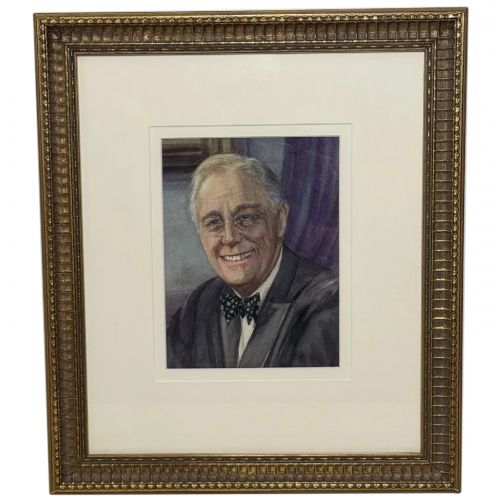
Classic figure art gathers painted portraits, carved busts and bronze sculptures that centre the human form across centuries of craft.
Classic Figure Art
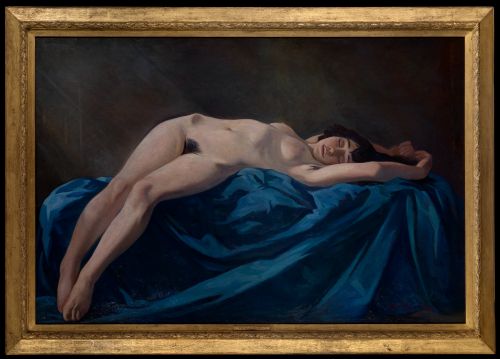
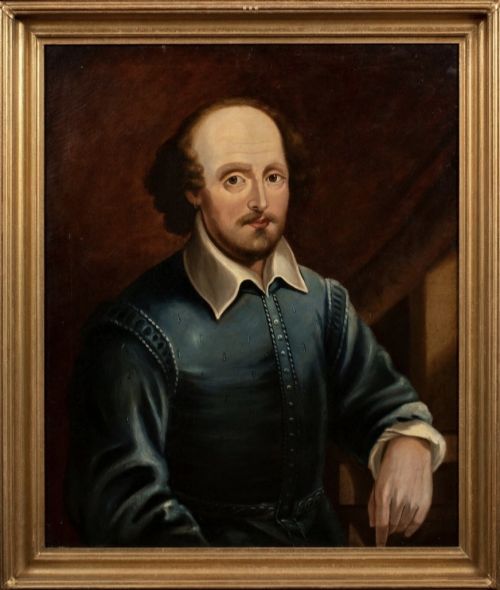
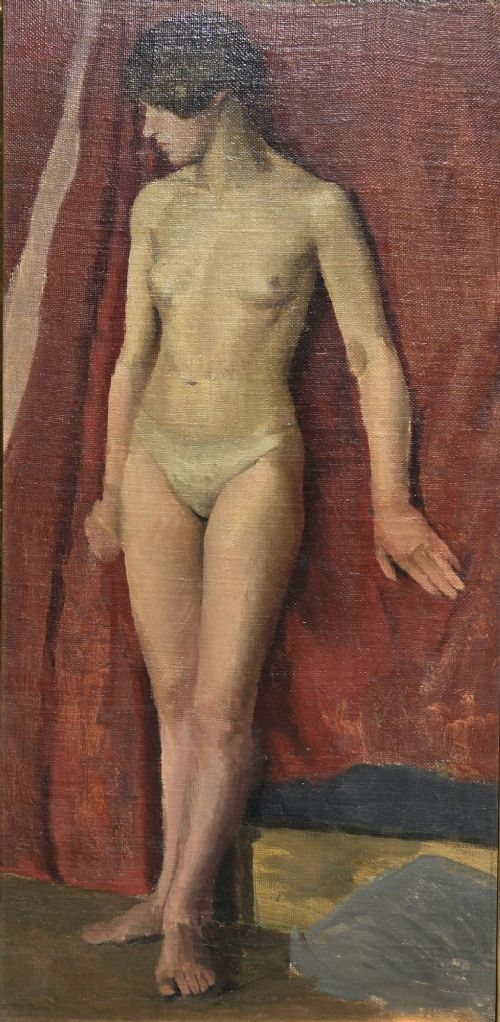
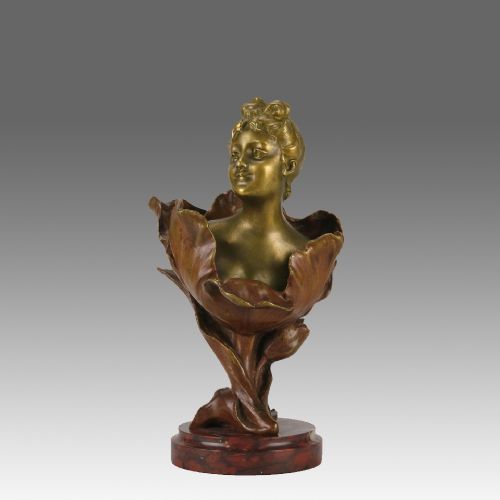
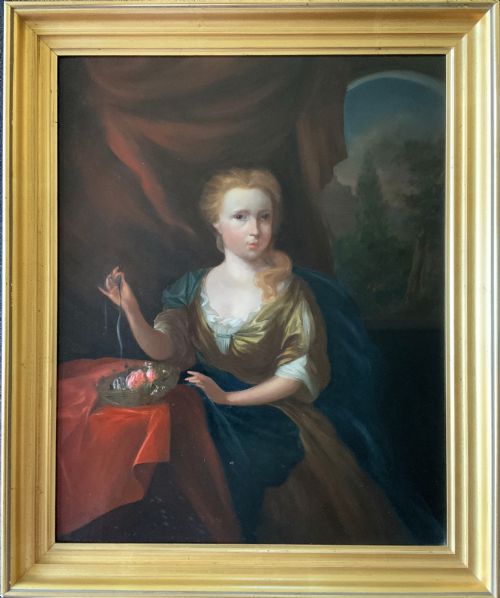
When buyers search for classic figure art, they examine works spanning from the seventeenth century through to the early decades of the twentieth century. These pieces encompass oil paintings on canvas, delicate works on paper, gilt bronze studies and carved marble or alabaster sculptures.
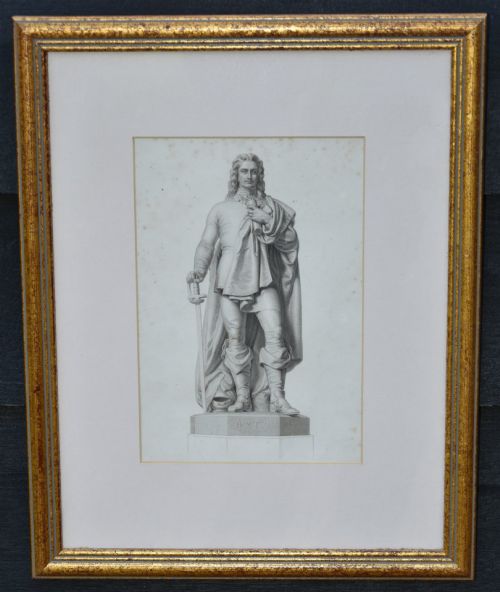
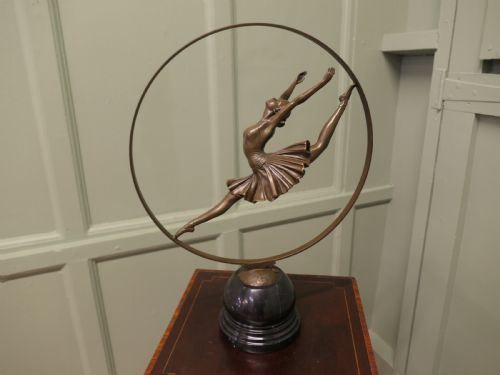
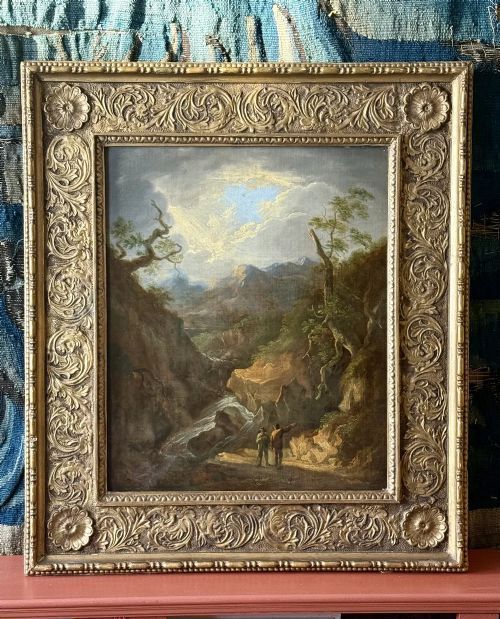
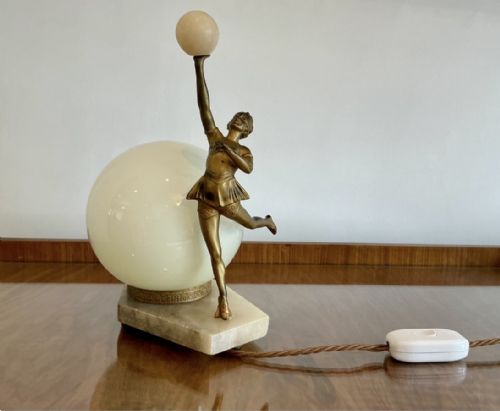
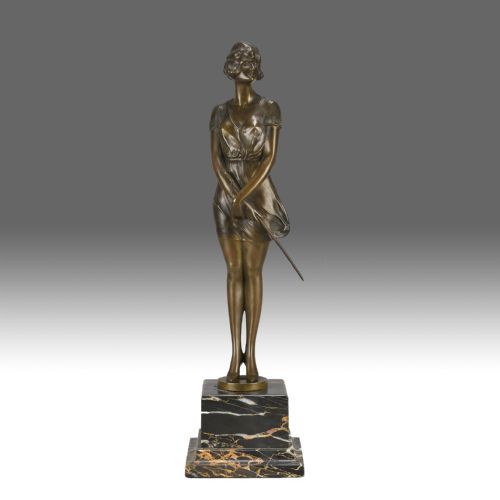
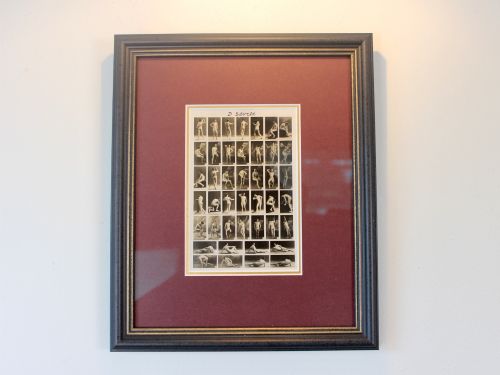
The selection ranges from Regency landscape paintings containing small human figures and academic life studies to distinct Art Deco bronzes and Art Nouveau ceramic figurines. Buyers encounter diverse regional schools, including Dutch, Italian and French traditions, alongside named portraiture.
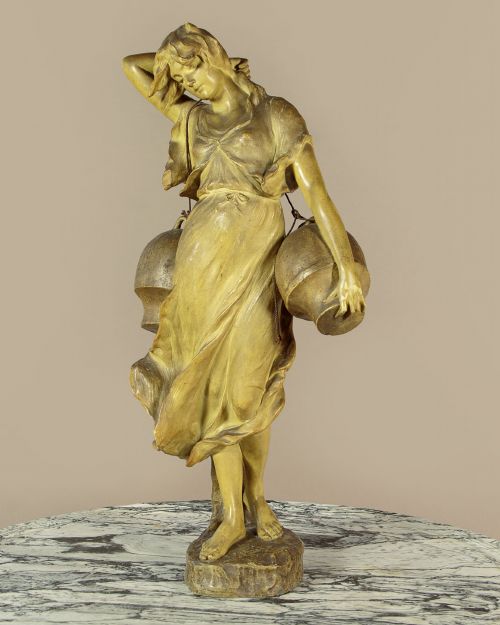
Portraits of individuals and mythological subjects sit alongside allegorical depictions such as water carriers and dancers. Each piece records the prevailing aesthetic of its period, reflecting shifts in how makers approached the human shape.
Materials and methods
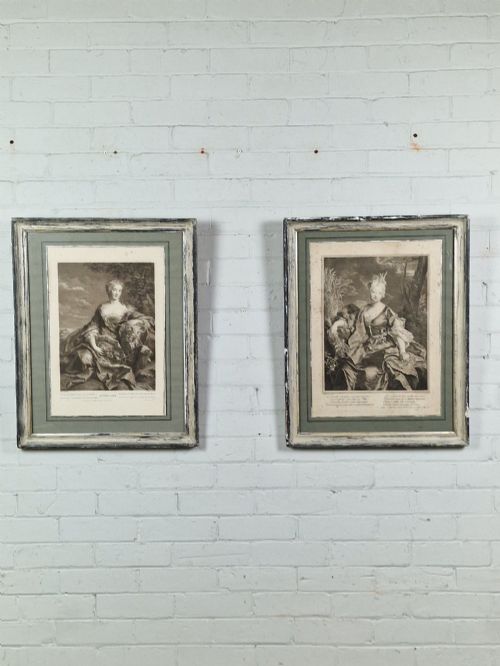
Painters relied upon oil on canvas, alongside pencil, watercolour, sanguine and etchings on paper, building tone and form through layered pigments and inked lines. Wood frames often house these works, some finished with gilt surfaces.
Sculptors shaped bronze, marble, alabaster and porcelain, employing casting techniques for metal works and hand-carving methods for stone figures. Ceramics received painted glazes typical of factory productions from the period.
Classic Figure Art Retail Price Guide 2026
Typical asking prices for classic figure art among the pieces listed under this phrase on Sellingantiques today, from the lower quarter to the upper quarter. They describe what is for sale here now, not the wider market.
Listings feature works created across four distinct centuries, utilising wood, marble, paper, bronze, oil on canvas, glass and gilt.
Quality variations
The distinction between standard works and exceptional pieces lies in the fidelity of anatomical rendering and the expressiveness captured in the subject's posture or expression. Finer bronzes display crisp chasing and meticulous finishing on the metal surface.
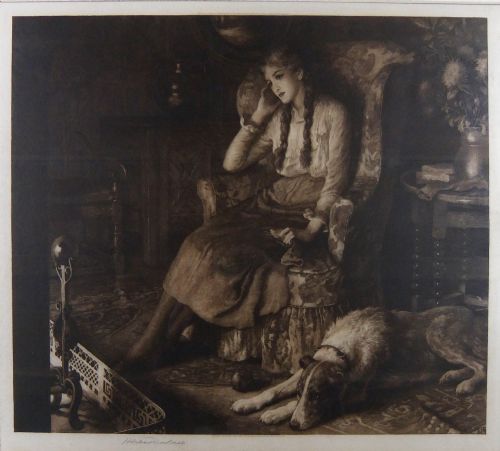
Paintings demonstrate quality through confident brushwork, subtle handling of light and shadow, and the preservation of the original canvas and stretcher. Engravings and prints vary according to the clarity of the impression and the condition of the paper.
Jean de Roncourt·Pierre Collinet·Bruno Zach·Henri Godet·Goldscheider·Ferdinand Preiss·Ferdinando Vichi
The Classic Figure Art Glossary
- Sanguine
- A chalk of a reddish-brown blood colour used for drawing figures. Artists utilised this medium extensively for rapid life studies and detailed portrait sketches.
- Etching
- A printmaking process where lines are incised into a metal plate through acid before being inked and pressed onto paper. This technique allows for fine, intricate detail in figurative works.
- Alabaster
- A fine-grained mineral carved into sculptural busts and reclining figures. Its translucent quality permits light to penetrate the surface gently.
- Gilt bronze
- Metal cast in bronze and treated with a layer of gold or gold leaf. The finish adds a lustrous sheen to decorative busts and figures.
- Academic real
- A style of painting and sculpture produced under the influence of European academies. These works adhere to strict standards of proportion and classical finish.
Classic Figure Art: Frequently Asked Questions
What periods do these pieces cover?
The selections span from the seventeenth century up to the Art Deco era of the 1930s. They include eighteenth-century engravings, nineteenth-century academic studies and early twentieth-century bronzes.
Each object reflects the prevailing artistic conventions and material techniques of its specific decade of production.
How should I care for oil paintings?
Oil paintings on canvas require stable indoor humidity and protection from direct sunlight to prevent pigment fading and canvas degradation. Dust them gently with a soft, dry brush without applying pressure.
Avoid using liquid cleaners or placing them near heat sources that might warp the wooden stretcher bars.
Are bronze sculptures solid metal?
Many bronze sculptures utilise the lost-wax casting method, which often results in a hollow interior rather than solid metal. This technique reduces weight while maintaining structural strength.
Foundry marks and patination help identify the manufacturing period and the quality of the cast.
Where were these ceramic figures made?
Figurines and vases originate from various European potteries and manufacturers active during the nineteenth and early twentieth centuries. Names like Royal Copenhagen and Royal Dux represent notable porcelain production centres.
Such pieces often feature factory stamps or impressed numbers on the base to indicate their origin.