



Classic English Furniture
Classic english furniture spans centuries of timber working tradition, bringing substantial presence and functional heritage into modern rooms.
Classic English Furniture
Classic english furniture encompasses substantial pieces intended for practical household use, originating from periods spanning the eighteenth century through to the early twentieth century. These items include chests of drawers, bureau bookcases, sideboards, library steps, and garden benches built for enduring service.
Mahogany and walnut predominate among the surviving examples, often enriched with brass hardware or detailed wood inlay. Styles range through Georgian, Regency, William IV, and Victorian iterations, alongside revival pieces from the early twentieth century.
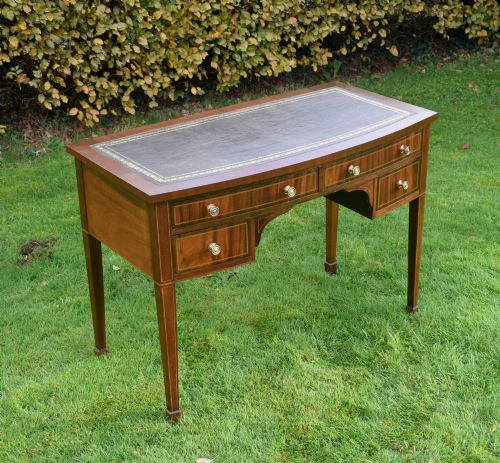
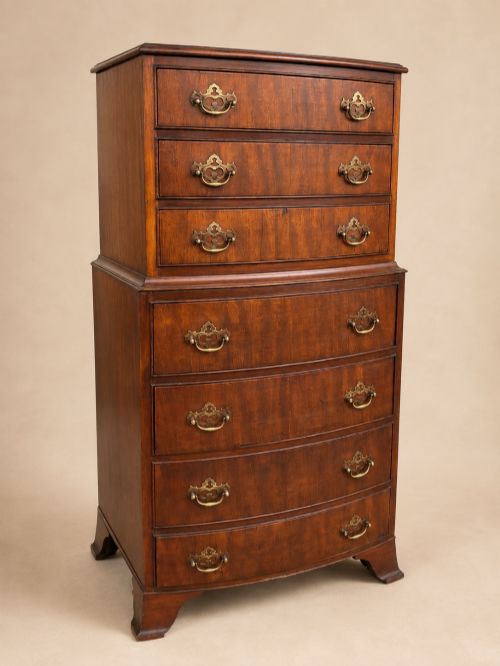
Shoppers encounter forms such as bowfront chests, pedestal desks, and breakfront library bookcases. Each piece demonstrates the domestic requirements and woodworking capabilities of its specific period of origin.
Materials and Construction
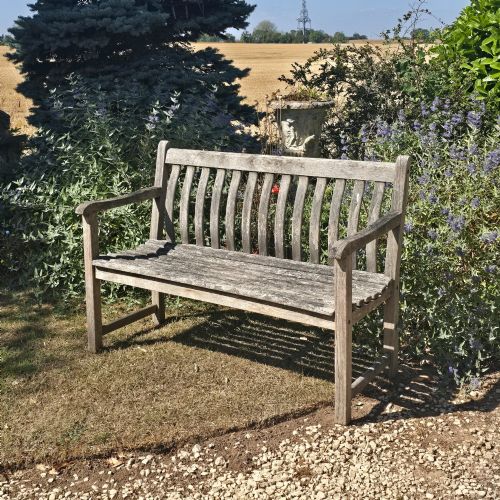
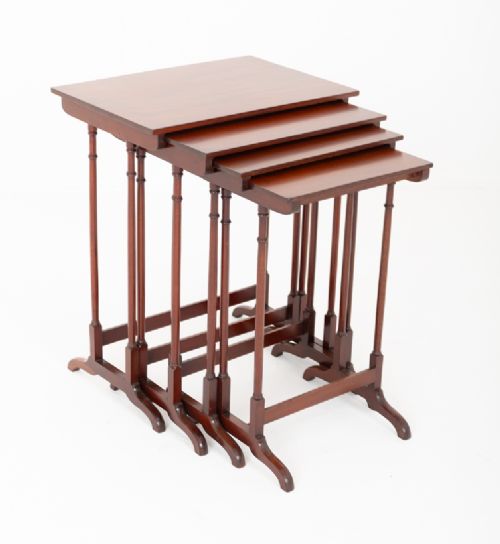
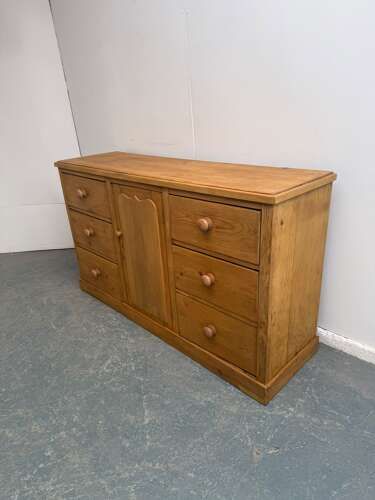
Cabinet makers utilised dense hardwoods such as mahogany and walnut, frequently selecting solid pine for carcases and teak for outdoor garden benches. Timber selection prioritised durability and rich grain figures that responded well to polishing.
Construction techniques involved traditional joinery methods, incorporating brass handles, glass panes, and intricate wood inlay to elevate domestic utility pieces into decorative focal points.
Classic English Furniture Retail Price Guide 2026
Typical asking prices for classic english furniture among the pieces listed under this phrase on Sellingantiques today, from the lower quarter to the upper quarter. They describe what is for sale here now, not the wider market.
Mahogany, walnut, teak, and solid pine represent the primary materials across these historical periods.
Quality Variations
Finer examples distinguish themselves through superior timber selection, balanced proportions, and careful integration of decorative elements like brass handles and figured wood inlay. Lesser versions employ simpler construction and standard secondary woods.
Attribution to known makers or documented workshops elevates a piece, while workshop execution in carving and drawer construction separates standard utility furniture from high cabinet work.
T & G Seddon·C Hindley·Gillows of Lancaster
The Classic English Furniture Glossary
- Bowfront
- A curved convex front typical of chests of drawers and commodes. This shape gained popularity during the Georgian and Regency periods.
- Breakfront
- A large cabinet or bookcase where the central section projects forward from the flanking wings. This architectural arrangement creates depth and visual interest in large library pieces.
- Bureau Bookcase
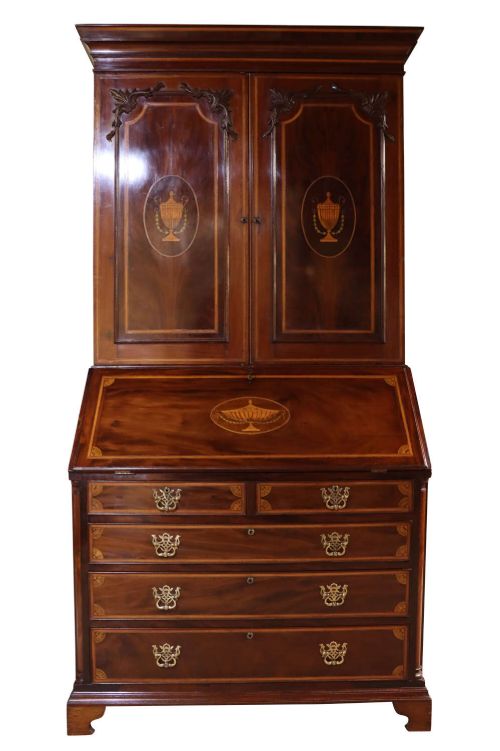
- A dual-purpose piece combining a sloping desk flap with upper shelving enclosed by doors. It provides both writing space and storage for volumes.
- Kneehole Bureau
- A compact writing desk featuring a recessed central cupboard flanked by banks of small drawers. This form developed during the late seventeenth century.
- Inlay
- The technique of embedding contrasting woods or materials into a solid timber surface to create decorative patterns. It frequently defines high-status cabinet work.
Classic English Furniture: Frequently Asked Questions
How do I identify a Georgian chest of drawers?
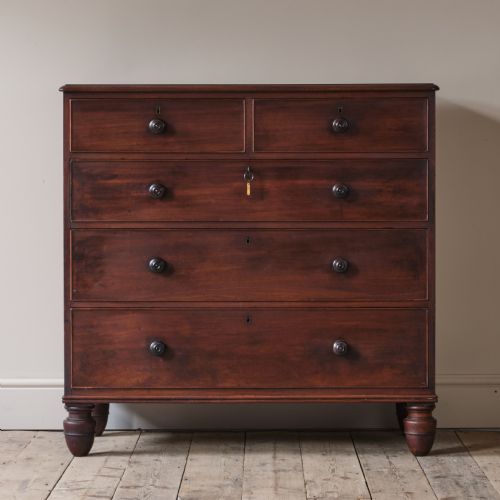
Georgian chests typically feature dense mahogany construction, hand-cut dovetail joints on the drawer linings, and original brass hardware. The proportions remain balanced and practical without excessive ornamentation.
Closer inspection reveals secondary woods like pine or oak used in non-visible structural areas, alongside subtle variations in drawer lining thickness that indicate period manufacture.
Where should I place a bureau bookcase?
These tall pieces require a stable wall with adequate vertical clearance, away from direct sunlight and fluctuating heat sources that might dry out the mahogany or walnut timber. A study or drawing room provides a suitable environment.
Ensure the room has sufficient floor space to allow the fall-front writing flap to open fully without obstructing movement through the doorway.
Can I use library steps in a modern home?
Library steps adapt well to contemporary interiors as freestanding display stands or plant holders when not in use for reaching high shelves. Their compact footprint suits narrow landings or corners.
Their solid mahogany or varied timber construction provides the necessary stability to function safely while adding period character to a hallway or study.
What is the difference between Regency and Victorian pieces?
Regency items generally exhibit restrained classical lines influenced by ancient Greek and Roman forms, often utilising figured mahogany and brass mounts. Victorian pieces tend toward heavier proportions and more robust ornamentation.
Understanding these stylistic shifts helps collectors date specific items accurately according to the prevailing design ethos of each respective reign.