



Classic Chesterfield
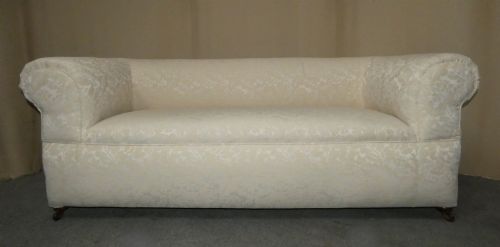
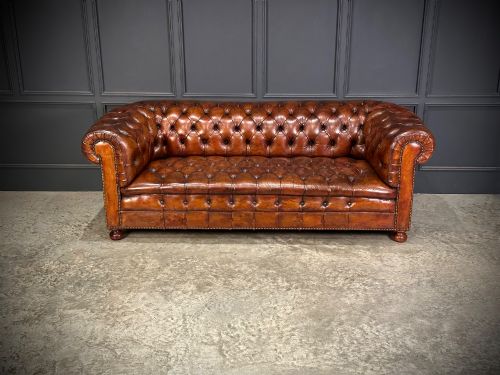
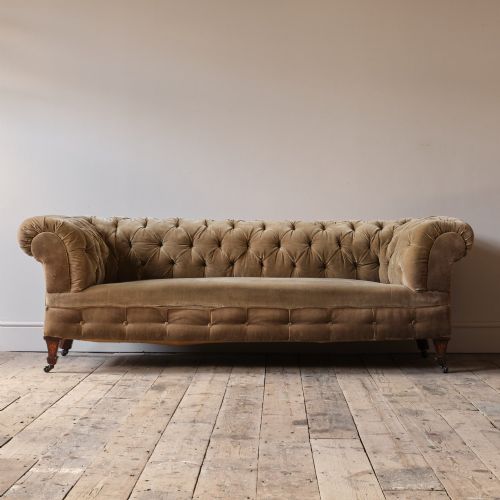
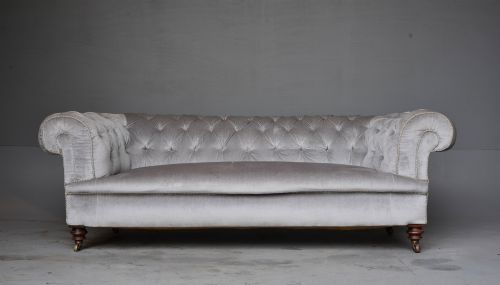
A classic chesterfield brings deep buttoning, rolled arms, and rich hide to a room, offering immediate character and enduring comfort.
Classic Chesterfield
When you search for a classic chesterfield, you encounter robust seating built for heavy use and formal reception rooms. The pieces here span sofas, settees, armchairs, and porters armchairs.
The most common forms on this page include Victorian leather sofas alongside Edwardian wingback armchairs. Makers from the nineteenth century onwards shaped these silhouettes using timber frames and deep upholstery.
Origins stretch from the Regency era through Victorian and Edwardian periods up to nineteen thirties English designs. Examples range from George III wingbacks to twentieth century club sofas in hand dyed hides.
How they were made
Frames rely on hardwoods like mahogany and timber to provide structural integrity for deep seat foundations. Upholstery methods involve horsehair fillings and coil springing beneath traditional leather or velvet outer coverings.
Finishing details incorporate brass tack work and hand dyed treatments across brown, oxblood, and aubergine leathers. Traditional workshops utilised durable hides and sturdy wooden supports to ensure longevity.
Classic Chesterfield Retail Price Guide 2026
Typical asking prices for classic chesterfield among the pieces listed under this phrase on Sellingantiques today, from the lower quarter to the upper quarter. They describe what is for sale here now, not the wider market.
Materials span leather, brass, wood, timber, hardwood, mahogany, velvet, and metal across multiple eras.
What varies in quality
The distinction between tiers rests on the integrity of the internal stuffing and the handling of the hide. Pieces retaining original leathers or executed by notable cabinet makers demonstrate superior craftsmanship.
Proportion and frame rigidity separate standard output from exceptional commissions. Refined stitching on deep buttoned backs and well preserved timber legs indicate higher production standards.
Robert Strahan And Co·Howard And Sons·Gillow
The Classic Chesterfield Glossary
- Chesterfield
- A traditional British upholstered sofa or armchair characterised by rolled arms and deep buttoning. This form has anchored drawing rooms and libraries for generations.
- Wingback
- An armchair featuring protective side panels designed to shield the occupant from drafts. These pieces often pair with low seats and substantial wooden frames.
- Porters armchair
- A high backed enclosed seating type historically utilised in draughty hallways to retain heat. Regency examples often display hooded leather bodies.
- Horsehair
- A traditional stuffing material gathered from equine manes and tails used for resilient padding. It provides firm support within classic upholstery layers.
- Coil springing
- A system of interconnected metal springs introduced to improve seat suspension and comfort. This technique underpins many nineteenth century and later frames.
Classic Chesterfield: Frequently Asked Questions
How do I spot a true period chesterfield?
Examine the internal stuffing methods and timber construction visible beneath the frame. Nineteenth century examples typically employ horsehair and coil springing.
Check for hand dyed hides and traditional brass tack work that align with Victorian or Edwardian workshop practices.
Are these sofas comfortable for daily use?
Deep buttoning and sprung seats provide a firm, supportive sit rather than a soft slouch. The robust hardwood frames ensure they withstand regular daily occupation.
Over decades, traditional materials settle to create a supportive shape that accommodates relaxed sitting.
Where should I place a wingback armchair?
These chairs suit studies, libraries, or corners of reception rooms where high backs create a private seating nook. Their enclosed silhouettes offer natural protection against draughts.
Pair an armchair with a matching footstool to complete a traditional reading area.
How do I care for antique leather?
Maintain the hide by applying suitable leather balms to prevent drying and cracking over time. Keep pieces away from direct heat sources and strong sunlight.
Gentle dusting preserves the patina on hand dyed surfaces without disturbing the finish.