

Classic Ceiling Chandelier
A classic ceiling chandelier brings a room together with gathered crystal and brass, offering the amber weight of early lighting.
Classic Ceiling Chandelier
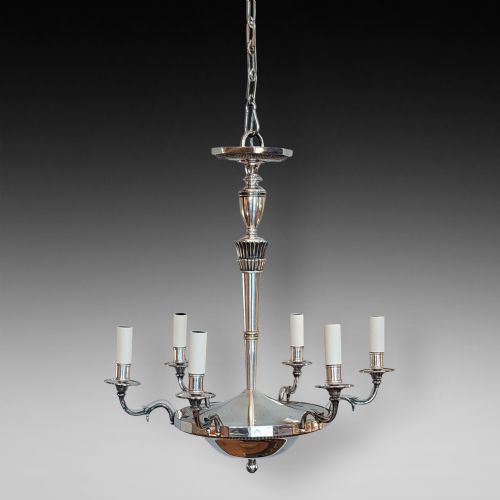
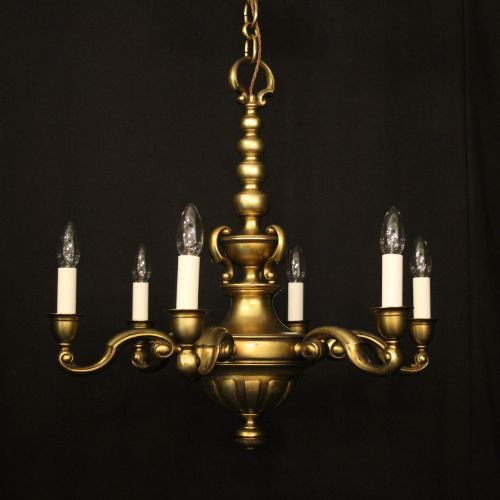
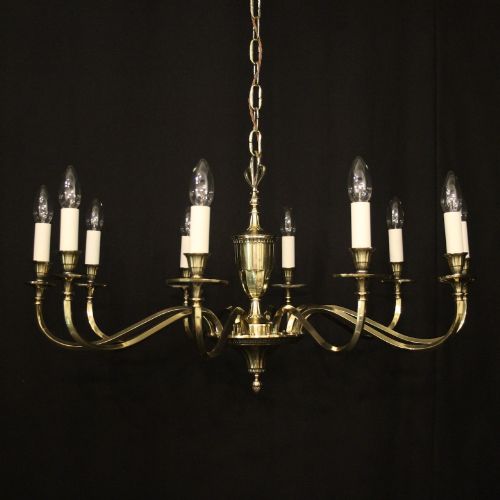
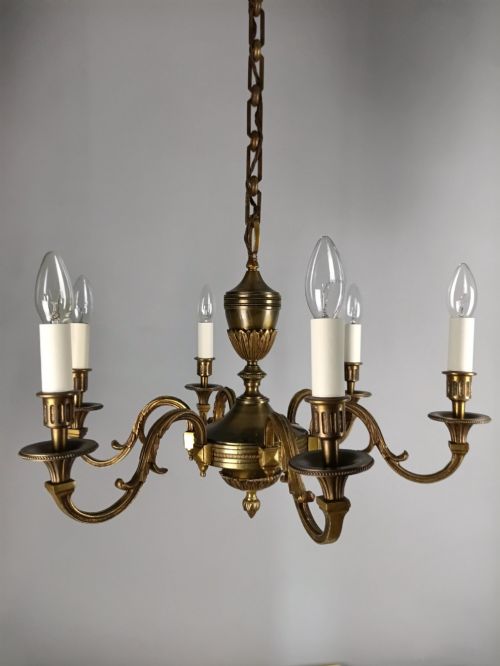
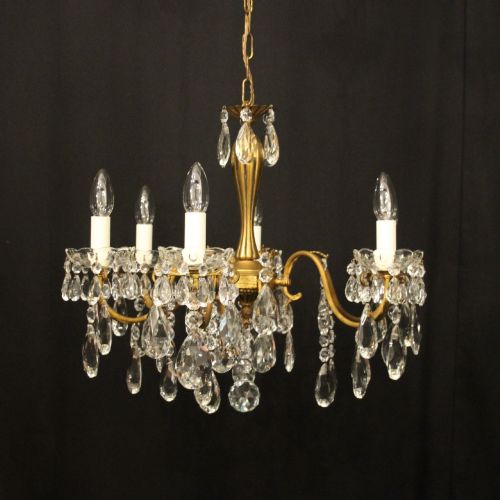
A classic ceiling chandelier is a suspended lighting fixture designed to distribute illumination across a room through multiple candle or bulb branches. When buyers search for a classic ceiling chandelier, they encounter hanging fixtures primarily originating from the nineteenth and early twentieth centuries, including the Edwardian era and the nineteen-twenties.
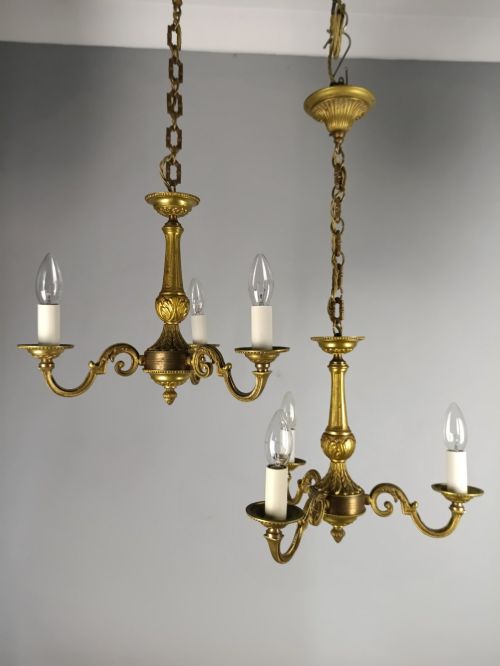
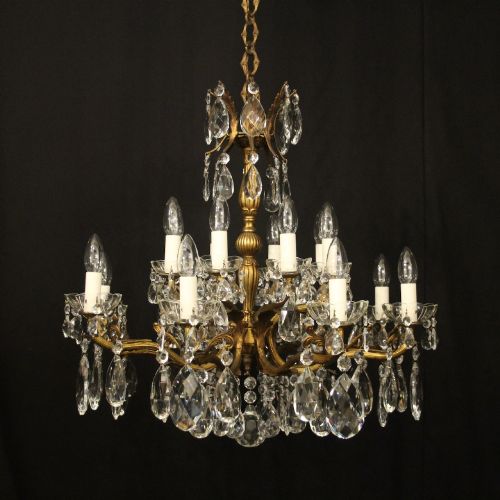
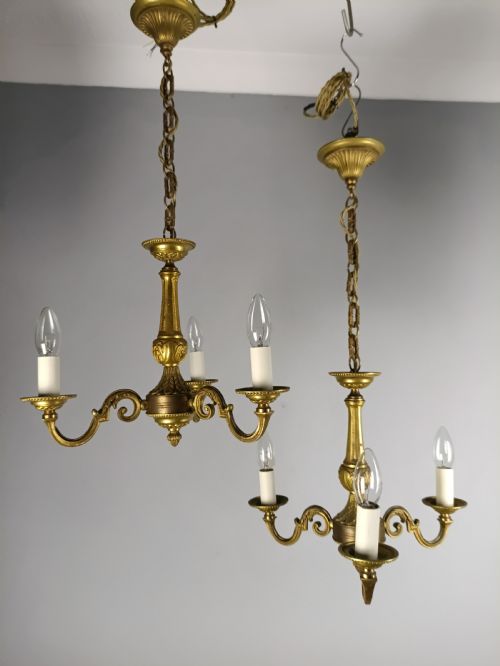
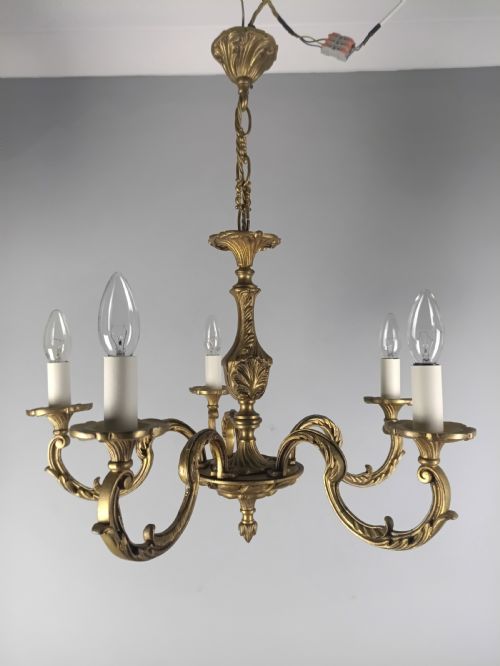
The selections span French chateau designs, Italian rococo, and Marie Theresa styles, alongside English brass work and Dutch-inspired copper forms. Buyers find everything from intimate three-branch brass lights to grand twelve-light crystal waterfalls and hanging hall lanterns.
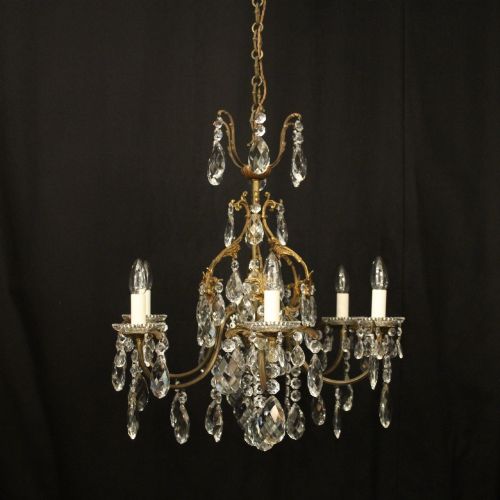
These fixtures serve as the central architectural anchor for a room, combining metal frames with reflective glass elements to maximise light dispersion. The predominant forms rely on traditional multi-arm configurations and tent-and-bag crystal arrangements.
Materials and construction methods
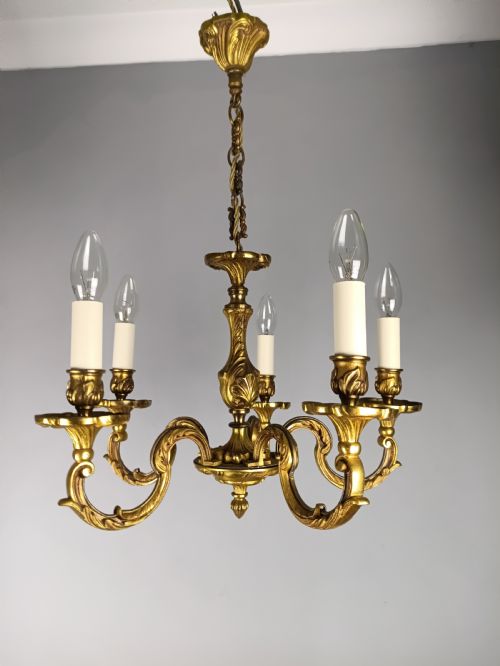
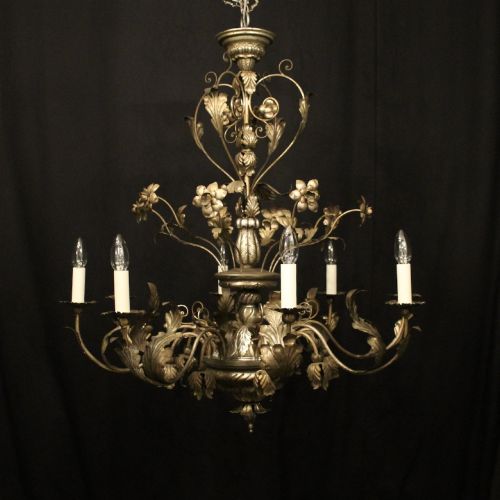
Makers constructed the structural frames of these chandeliers using cast brass, gilt bronze, silvered metal, and carved giltwood. Metal components often received a gilded or silvered finish to enhance the reflective properties of the fixture when illuminated.
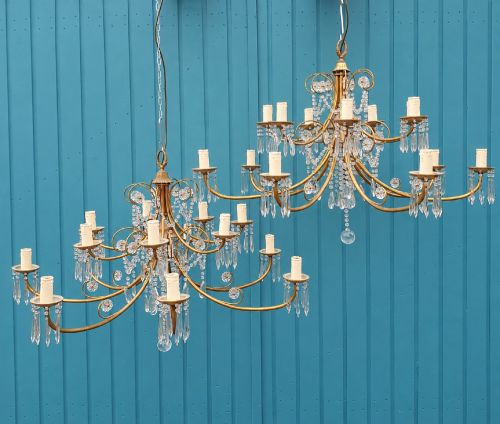
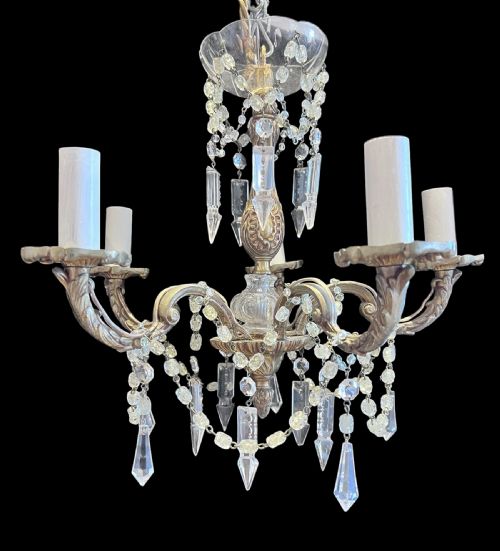
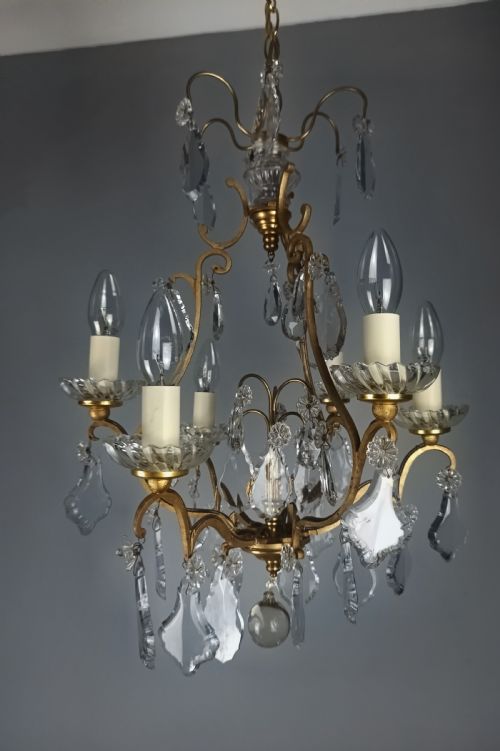
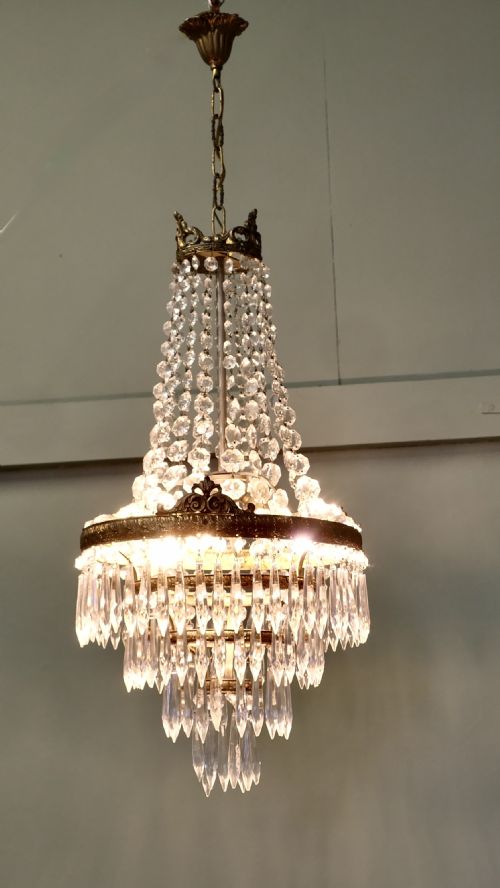
The decorative embellishments rely heavily on cut glass and crystal pendants, drops, and bead strands. Artisans wired these glass elements together to form intricate tent and waterfall silhouettes, or incorporated amethyst crystal accents into the brass framework.
Classic Ceiling Chandelier Retail Price Guide 2026
Typical asking prices for classic ceiling chandelier among the pieces listed under this phrase on Sellingantiques today, from the lower quarter to the upper quarter. They describe what is for sale here now, not the wider market.
Object forms recorded here encompass standard multi-arm chandeliers, pendant lights, tent and waterfall configurations, and enclosed hall lanterns.
Distinctions in craftsmanship and design
Quality separates fixtures by the crispness of the metal casting and the depth of the gilding on bronze and brass frames. Superior examples display finely chased details on the metal arms and solid structural engineering that supports heavy crystal arrays without sagging.
The grade of the glass and crystal defines the upper tiers of production, visible in the hand-cut facets and clarity of the drops. Pieces featuring integrated components like carved giltwood or specialised amethyst crystals demonstrate higher artistic ambition than standard commercial output.
G.E.C
The Classic Ceiling Chandelier Glossary
- Gilt Bronze
- An alloy of copper and zinc treated with a gold amalgam or leaf finish to create a rich, metallic lustre. This material resists tarnishing and provides a stable base for ornate casting.
- Marie Theresa
- A chandelier style characterised by a flat metal frame completely obscured by garlands of crystal beads and prisms, named in honour of the Austrian empress. These fixtures often feature coloured crystal accents and multi-tiered drop arrangements.
- Tent and Waterfall
- A lighting configuration where upper crystal strands form a conical tent shape above a lower cascading tier of drops. This design directs and refracts light across wide angles.
- Hall Lantern
- An enclosed hanging light fixture designed primarily for entranceways and corridors, combining metal framing with glass panes. They utilise single or multiple internal burner or bulb positions.
Classic Ceiling Chandelier: Frequently Asked Questions
How do I choose the right size chandelier?
Selecting the correct scale involves measuring the dimensions of your room and the height of your ceiling to ensure adequate clearance. Smaller spaces suit three to five-light brass or crystal fixtures, while expansive rooms accommodate twelve-light arrangements.
Consider the furniture placement below the fixture to maintain proper visual balance. A dining table or hallway centre benefits from a chandelier that spans roughly one-third of the width of the surface beneath it.
What periods do these chandeliers come from?
The available lighting spans from the nineteenth century through the Edwardian period and into the nineteen-twenties and thirties. Many pieces reflect earlier historical revivals, such as French Rococo and Empire styles.
Identifying a period relies on examining the casting techniques, the specific cut of the crystal drops, and the composition of the metal frame. Edwardian and early twentieth-century examples frequently combine traditional forms with updated electrical wiring capabilities.
How were these chandeliers originally used?
These fixtures hung in principal rooms, dining halls, and entrance vestibules to provide primary illumination before the widespread adoption of domestic electricity. Candles supplied the original light source, requiring reflective glass drops to amplify the glow.
As technology progressed, many of these frames underwent conversion to accommodate electrical wiring while retaining their historic metal and glass structures. They functioned as both practical light sources and indicators of status within a residence.
Can I hang a chandelier in a modern room?
Integrating a historic chandelier into a contemporary interior creates a focal point through the contrast of old and new materials. The reflective crystal and warm brass tones complement minimalist spaces by introducing texture and historic depth.
Ensure the ceiling structure can bear the weight of cast bronze or heavy crystal configurations before installation. Professional electricians can adjust suspension heights to suit modern ceiling clearances.