



Classic Button Couch
A classic button couch offers deep-seated comfort paired with traditional upholstery, bringing enduring character to a room.
Classic Button Couch
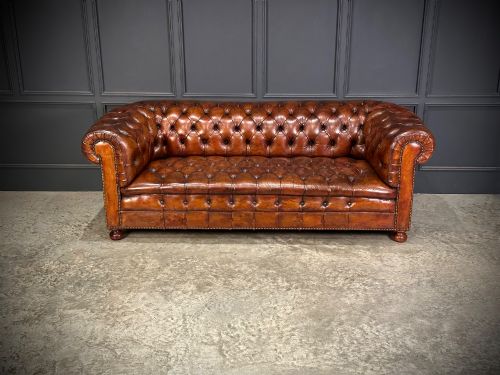
A classic button couch typically takes the form of a Chesterfield sofa, appearing across periods from the nineteenth century through the 1930s. These seating pieces span styles including traditional English, Art Deco, and French provincial designs.
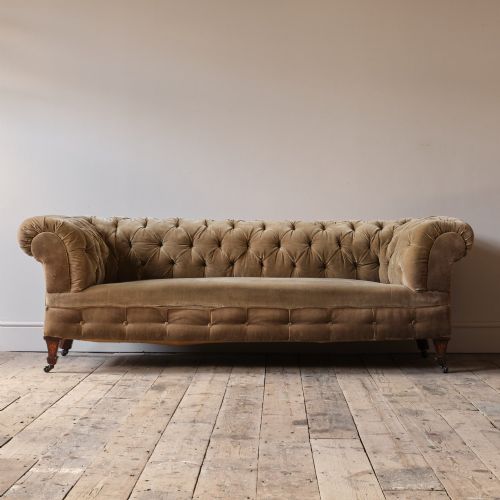
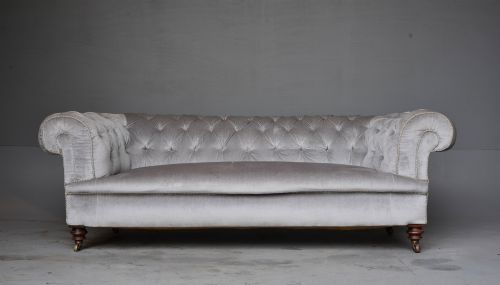
Buyers frequently encounter leather and velvet upholstery on these settees, often supported by hardwood, timber, or mahogany frames. Brass details and coil springing frequently accompany the traditional horsehair stuffing found within.
The selection ranges from Victorian examples to early twentieth-century pieces, including pairs and two-seat couches. Most listings feature deep buttoning across the back and arms, defining the classic aesthetic.
How they were made
Maker construction relies on robust hardwood or mahogany frames designed to support heavy upholstery and daily use. Artisans incorporated coil springing and horsehair stuffing to build resilient cushioning into the seats and backs.
Upholstery techniques involved pulling leather or velvet tight against the internal padding to create deep tufted buttons across the surface. Brass tacks frequently secure the edges of the leather, while hand-dyed finishes add depth to the hides.
Classic Button Couch Retail Price Guide 2026
Typical asking prices for classic button couch among the pieces listed under this phrase on Sellingantiques today, from the lower quarter to the upper quarter. They describe what is for sale here now, not the wider market.
What varies in quality
The grade of the leather and the condition of the original or restored hide distinguish superior examples from standard ones. Hand-dyed leathers with rich patinas command attention for their depth of colour and historical character.
Frame integrity and traditional stuffing methods, such as horsehair gilling and proper coil springing, separate master-built pieces from simpler constructions. The precision of the deep buttoning and the retention of maker signatures or structural stamps also elevate a piece.
Robert Strahan & Co·Howard & Sons
The Classic Button Couch Glossary
- Chesterfield
- A traditional style of sofa characterised by rolled arms and a back of the same height, featuring deep button tufting. This form remains a staple of classic seating.
- Horsehair
- A traditional upholstery stuffing material valued for its resilience and ability to hold shape over decades of use. It sits beneath the leather or velvet cover.
- Coil springing
- A system of interconnected metal springs tied within the frame to provide even weight distribution and durable seat support. It underpins traditional comfort.
- Tufting
- The technique of pulling twine or thread through the upholstery padding and securing it with buttons to create a diamond pattern across the surface.
Classic Button Couch: Frequently Asked Questions
What is a classic button couch?
A classic button couch is a traditional upholstered sofa, most commonly seen as a Chesterfield featuring rolled arms and deep button tufting across the back. These pieces date from the nineteenth century into the twentieth century.
They serve as primary seating in studies, libraries, and living rooms, combining deep-seated comfort with formal lines. Leather and velvet are the primary coverings found on these settees.
How do I date a leather couch?
Dating relies on examining the frame timber, the style of the feet, and the internal stuffing materials like horsehair. Nineteenth-century examples often display heavy mahogany frames and hand-stitched hides.
Later pieces from the 1930s may incorporate Art Deco influences or distinct leather finishes such as hand-dyed whiskey brown. Consulting maker stamps on the wood or webbing helps confirm the period.
Are these sofas comfortable for daily use?
These sofas offer firm, supportive seating due to traditional coil springing and dense internal stuffings. The deep seats accommodate relaxed lounging while maintaining structural support.
Leather surfaces soften with age and regular conditioning, adapting to the user while retaining their tailored appearance. Proper frame construction ensures they withstand everyday domestic life.
How should I care for antique leather?
Antique leather requires regular dusting with a soft cloth and periodic treatment with suitable leather balms to prevent drying. Keeping the hide away from direct sunlight and heat sources preserves the natural oils.
Avoid harsh chemical cleaners that can strip the original dye or damage hand-dyed patinas. Gentle maintenance ensures the leather remains supple for decades.