






Classic Bureau Desk
A classic bureau desk provides a private writing surface that folds or slides away, housing compartments for correspondence within a handsome timber cabinet.
Classic Bureau Desk
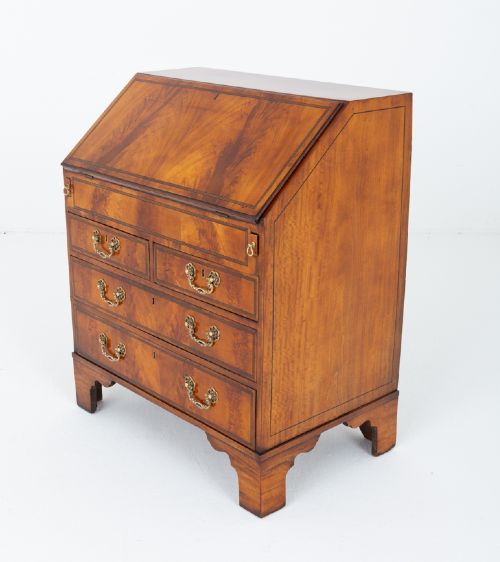
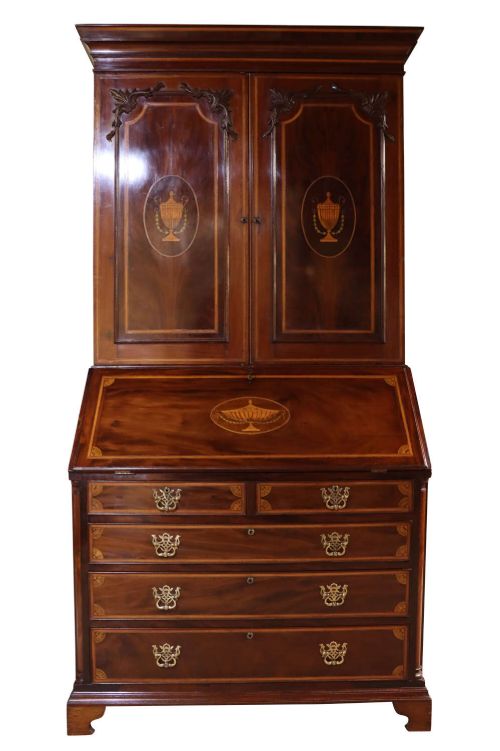
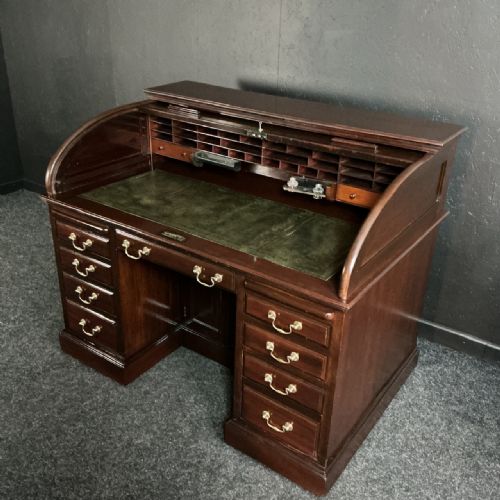
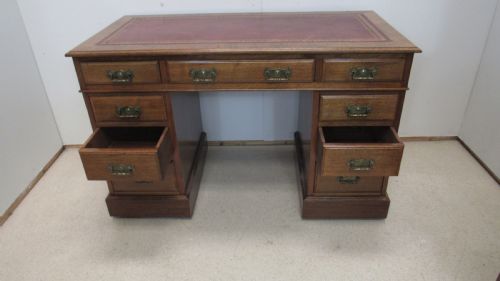
The classic bureau desk encompasses traditional writing furniture designed with fall-front flaps, tambour lids, and drop-down writing surfaces that conceal fitted drawers and pigeonholes. Buyers examining this page will encounter various forms ranging from compact writing bureaux to large bureau bookcases and pedestal desks.
The pieces span multiple historical eras, with examples originating from the eighteenth and nineteenth centuries, alongside Edwardian creations. Common stylistic influences include Georgian proportions, Victorian utility, William and Mary craftsmanship, and French Empire or Louis XV ornamentation.
Makers utilised diverse cabinet-making formats, producing freestanding writing cabinets, fall-front secretaires, and kneehole bureaux. These versatile pieces served for personal correspondence and estate management in period homes, retaining their utility for modern study spaces.
Materials and construction methods
Timbers form the structural foundation of these pieces, with mahogany appearing frequently alongside walnut, satinwood, and yew. Cabinet makers applied wood veneers and intricate boxwood inlays to enhance visual depth across the exterior surfaces.
Decorative hardware incorporates cast brass handles, escutcheons, and ormolu mounts to accent the woodwork. Writing surfaces frequently feature inset leather panels to provide a smooth, durable plane for handwriting.
Classic Bureau Desk Retail Price Guide 2026
Typical asking prices for classic bureau desk among the pieces listed under this phrase on Sellingantiques today, from the lower quarter to the upper quarter. They describe what is for sale here now, not the wider market.
Listings feature eighteenth-century pieces up through Edwardian designs, constructed primarily in mahogany, walnut, and satinwood.
Markers of fine craftsmanship
Superior examples demonstrate precision in timber selection, matching grain patterns across drawer fronts and fall-front flaps. The integration of complex internal mechanisms, such as smooth tambour slides and interlocking pigeonhole drawers, distinguishes higher grades of work.
The refinement of decorative details, including finely cast ormolu mounts and delicate boxwood stringing, elevates a piece beyond standard utility. Original hardware and sound structural joinery further define the standing of individual items.
The Classic Bureau Desk Glossary
- Bureau
- A desk featuring a sloping hinged lid that drops down to form a writing surface, enclosing a fitted interior of small drawers and pigeonholes.
- Tambour
- A flexible shutter made of narrow strips of wood glued to canvas, allowing a desk lid to slide open along a curved track.
- Secretaire
- A piece of furniture designed for writing, often incorporating a drop-front panel that conceals a writing compartment.
- Escritoire
- A writing cabinet, typically tall and upright, featuring a drop-front writing surface.
- Ormolu
- Gilded bronze applied as a decorative mount on furniture.
- Inlay
- A technique where pieces of contrasting timber or metal are inserted into the wood surface to form decorative patterns.
Classic Bureau Desk: Frequently Asked Questions
What is a bureau bookcase?
A bureau bookcase combines a sloping-front writing desk at the base with enclosed shelving or cabinet space above for storing books and papers.
These taller combination pieces served as multifunctional furniture for studies and libraries in period homes, offering both workspace and storage.
How do I maintain a leather writing surface?
Leather inserts benefit from occasional cleaning with a damp cloth and specialised leather conditioner to prevent drying and cracking.
Avoiding direct sunlight and excessive heat preserves the suppleness and colour of the material over years of daily use.
Where were antique desks typically placed?
These desks often stood in private studies, drawing rooms, or bedrooms where correspondence and household accounts were managed.
Compact forms suited smaller chambers, while larger pedestal desks occupied the centre of grander libraries and offices.
How do tambour desks operate?
Tambour desks use a slatted wooden shutter that travels along recessed tracks to conceal the desk surface and pigeonholes.
This sliding mechanism allows the user to secure the writing area without requiring clearance for a hinged lid.