


Classic Brown Drawers
Classic brown drawers offer robust timber storage with deep hues and historical character, spanning Georgian, Victorian, and Edwardian periods.
Classic Brown Drawers
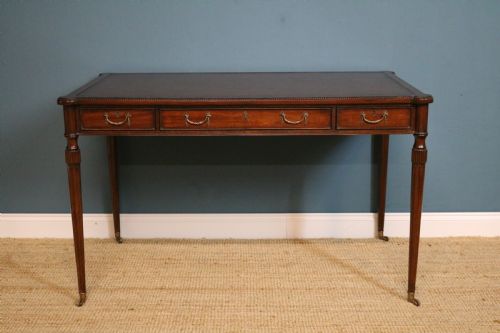
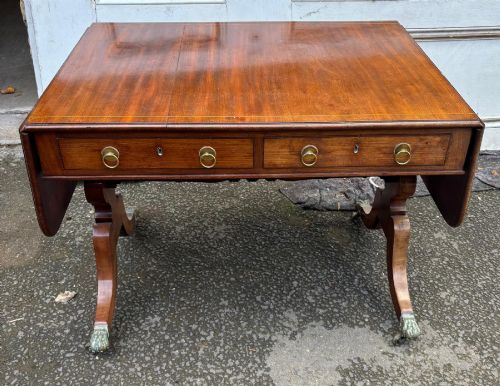
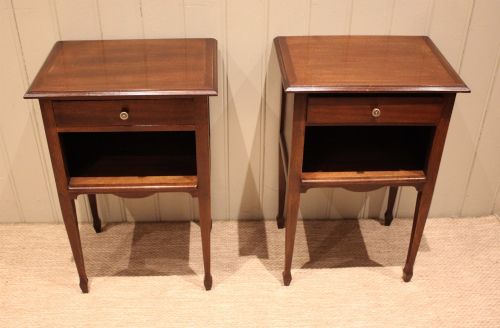
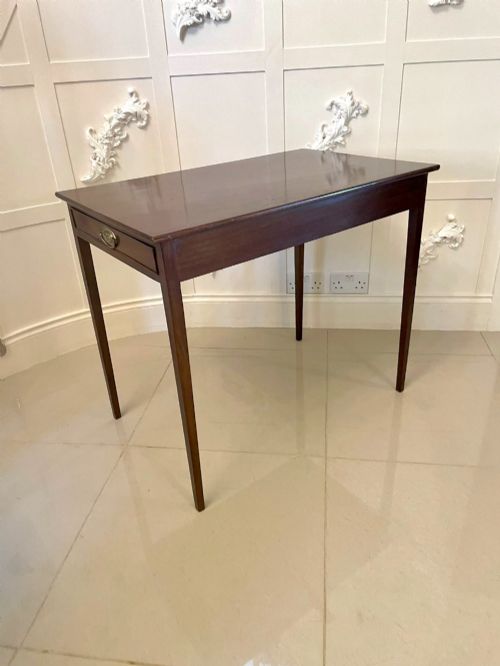
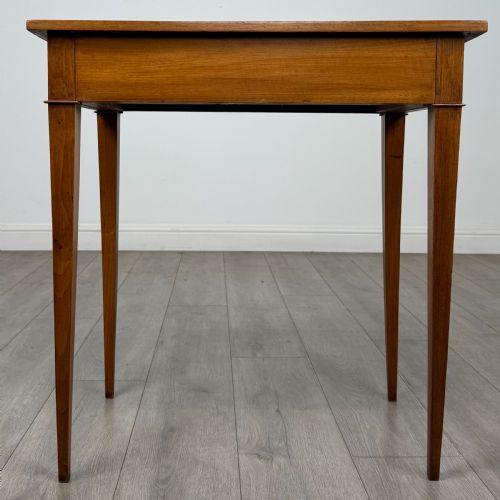
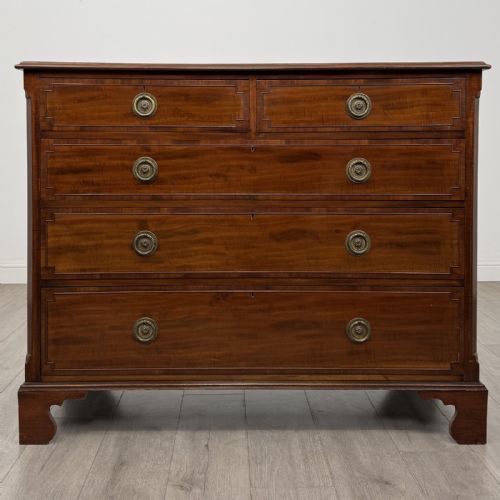
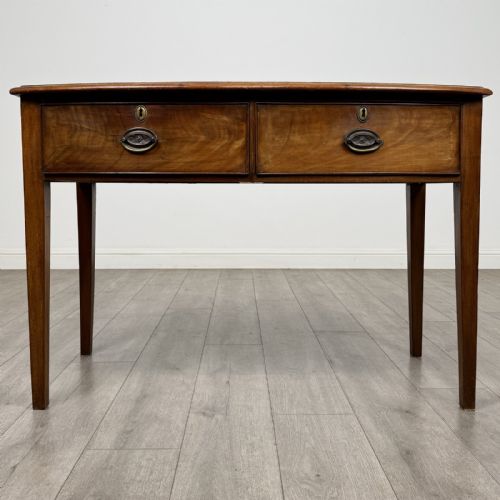
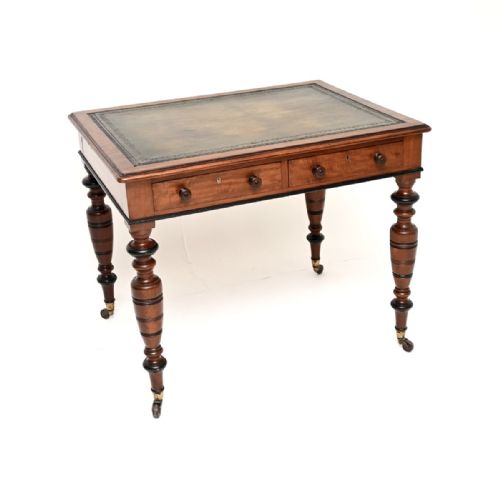
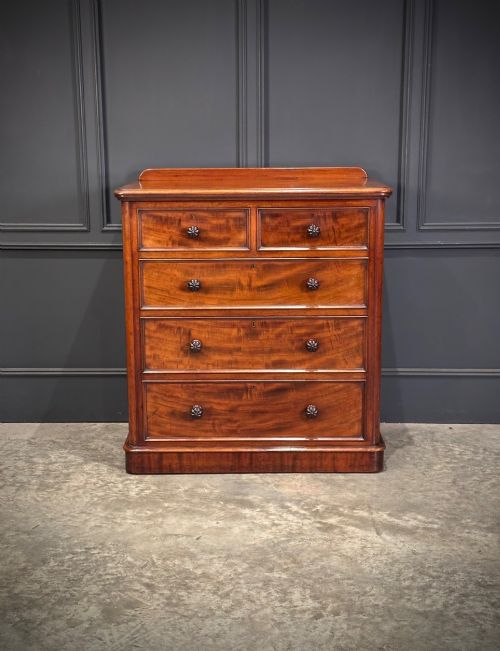
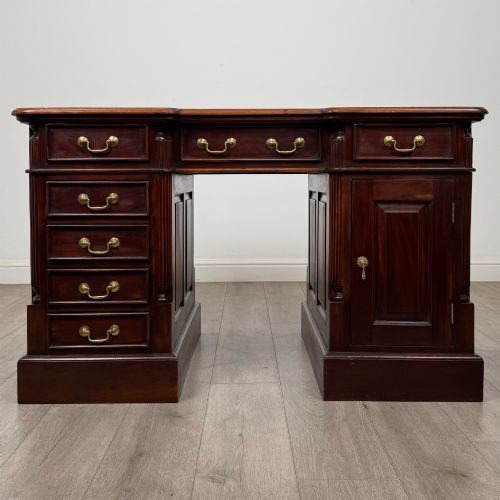
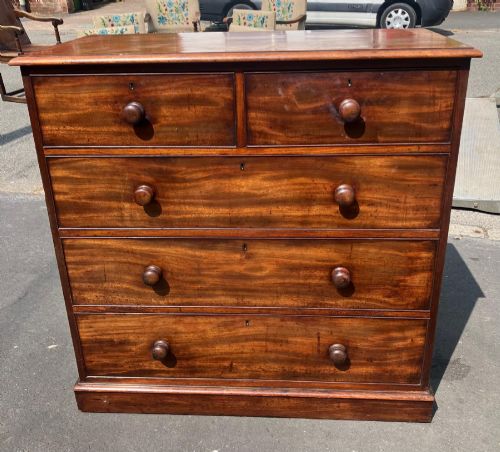
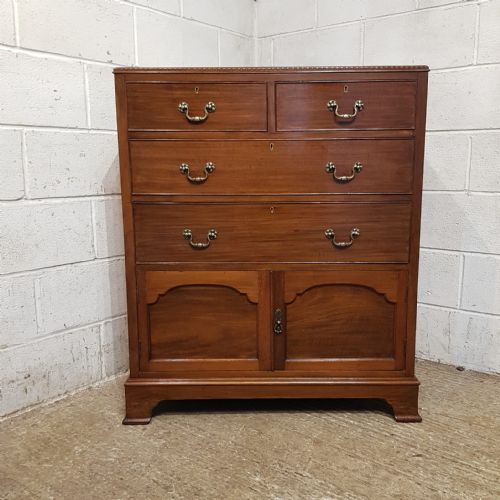
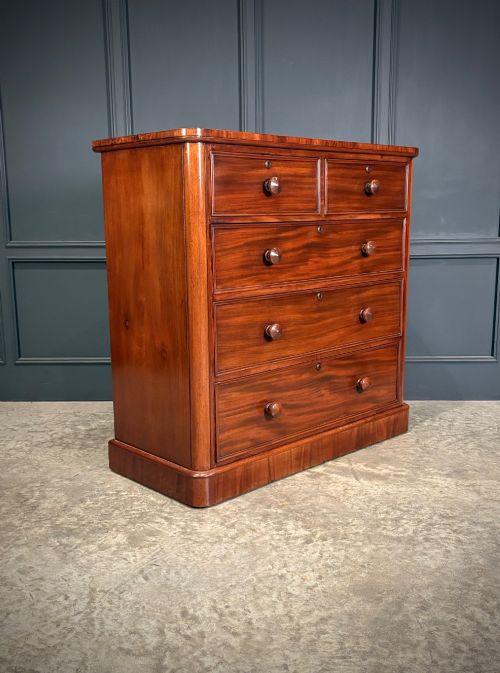
Classic brown drawers primarily comprise chests of drawers and pedestal desks fashioned from rich timbers. These pieces appear across Georgian, Victorian, and Edwardian eras, bringing functional storage and deep natural tones into domestic spaces.
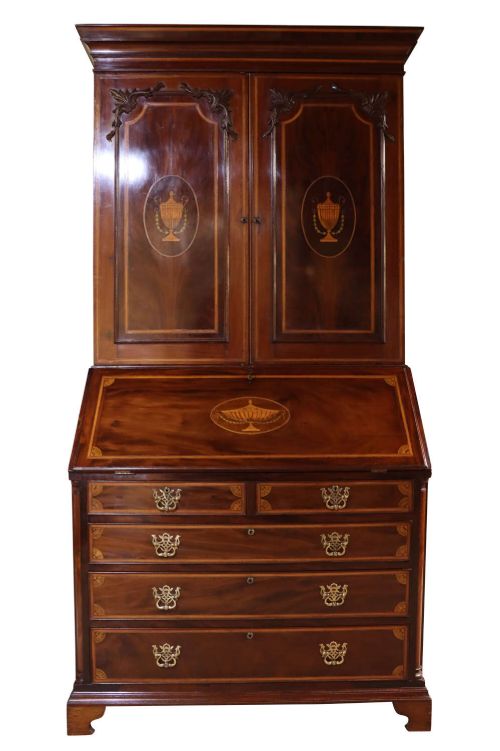
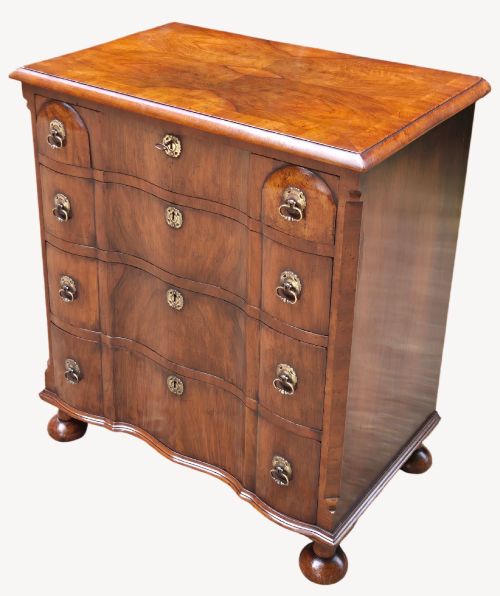
The chest of drawers stands as the most common form here, often arriving with bow fronts or straight lines. Alongside these, buyers find writing tables, bureau bookcases, and occasional tables fulfilling similar storage and surface roles.
Origins stretch from the eighteenth century through the nineteenth and into the early twentieth century. Pieces from the Georgian and Victorian periods dominate the selection, showing straightforward utility combined with traditional craftsmanship.
Materials and construction
Mahogany and walnut form the primary surfaces, frequently selected for their deep colour and strong grain patterns. Flame mahogany veneer adds striking movement to drawer fronts, while pine serves reliably for internal carcases and drawer linings.
Brass handles and escutcheons provide functional contrast to the dark wood, alongside occasional wood inlay and glass elements. Joinery relies on traditional methods to build sturdy frames that endure centuries of daily use.
Classic Brown Drawers Retail Price Guide 2026
Typical asking prices for classic brown drawers among the pieces listed under this phrase on Sellingantiques today, from the lower quarter to the upper quarter. They describe what is for sale here now, not the wider market.
Listings feature mahogany, walnut, and pine timbers, incorporating brass hardware and flame mahogany veneers across multiple centuries.
Judging quality
Quality rests on the selection of timber and the precision of the cabinetmaker's joinery. Superior examples display carefully matched grain patterns, particularly on flame mahogany veneers, and drawers that slide smoothly within their housing.
Proportions and detailing separate standard utilitarian items from finer productions. Crisp carving, well-fitted brass hardware, and intact original feet indicate a higher standard of manufacture from the workshop.
Brady·Epstein and Co
The Classic Brown Drawers Glossary
- Bow front
- A convex curved front section on a chest of drawers or desk. This shape softens the profile of heavy timber furniture.
- Flame mahogany veneer
- A thin slice of wood with a flamelike figure applied over a secondary timber. It creates dramatic patterns on drawer fronts.
- Pedestal desk
- A large writing table supported by two banks of drawers. These units provide substantial workspace and enclosed storage.
- Bracket feet
- Simple architectural supports shaped like brackets beneath the corners of a cabinet. They lift the base off the floor.
- Bureau bookcase
- A combination unit featuring a sloping desk flap over drawers beneath a fitted upper shelving section. This dual form maximises utility in smaller rooms.
Classic Brown Drawers: Frequently Asked Questions
What periods do these brown drawers come from?
The pieces span the eighteenth, nineteenth, and early twentieth centuries. Georgian, Victorian, and Edwardian eras represent the core periods available.
Craftsmen during these times utilised solid timber and veneers to produce sturdy storage units for domestic use.
Where were these pieces used originally?
Chests of drawers and pedestal desks served primarily in bedrooms, studies, and formal libraries. They provided secure storage for garments and writing materials.
Today, these items transition easily into modern bedrooms and living spaces to handle everyday organisation.
What is flame mahogany?
Flame mahogany is a decorative wood veneer displaying a distinctive pattern resembling flickering flames. Craftsmen applied it to prominent surfaces like drawer fronts.
This material catches the light and adds visual depth to classic brown furniture.