

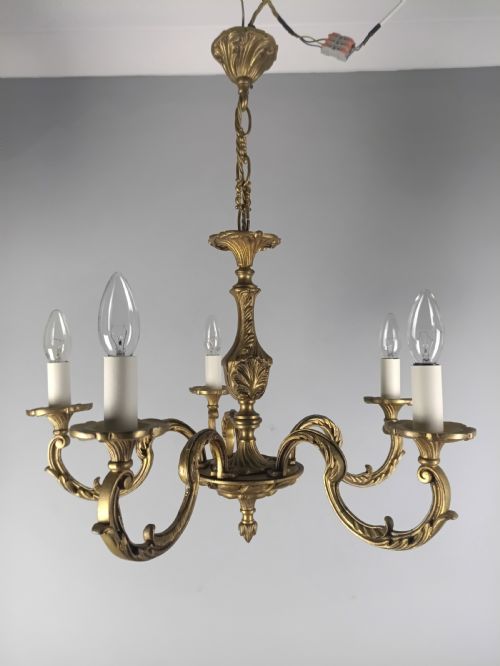
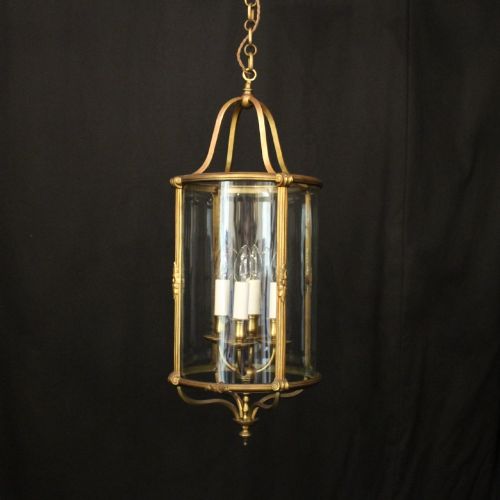
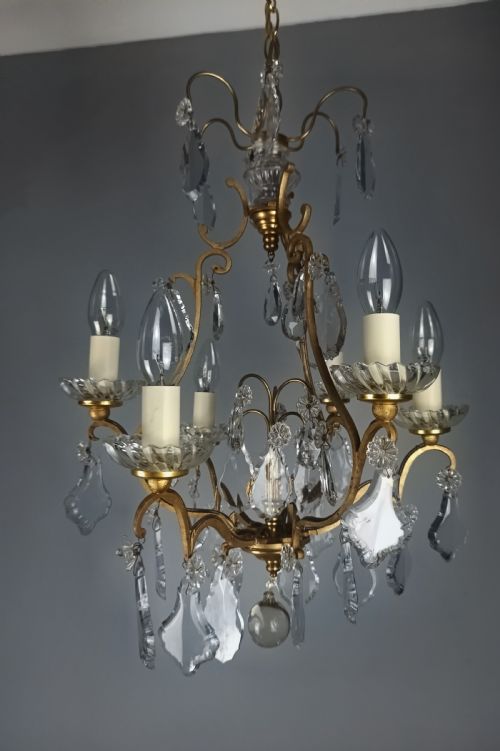
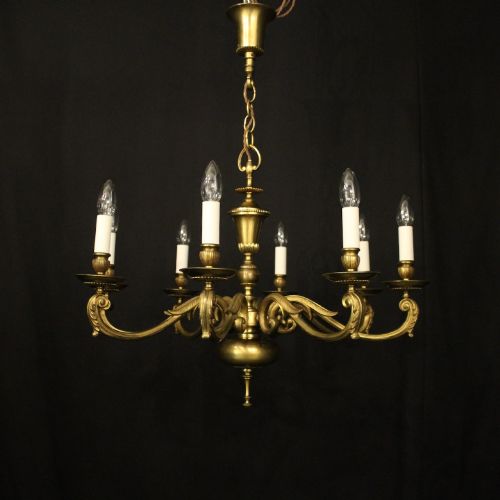
Classic Brass Fixture
A classic brass fixture brings weight and historic character to a room through centuries-old metalwork and candle-formed illumination.
Classic Brass Fixture
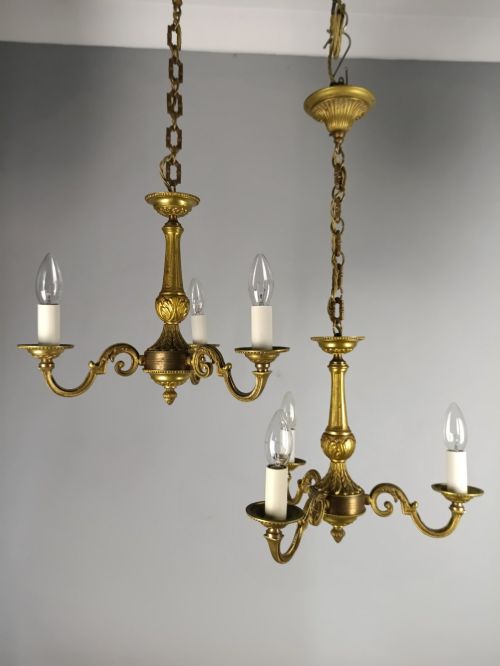
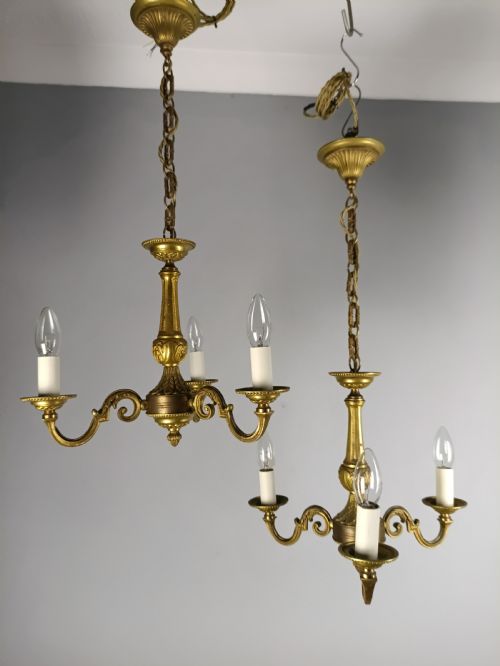
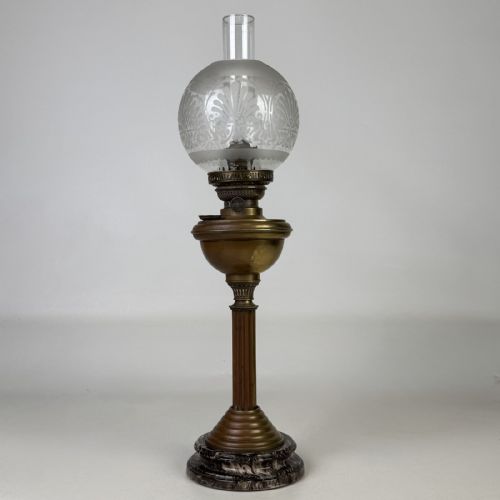
A classic brass fixture spans ceiling lights, chandeliers, wall lights, and hall lanterns sourced from English, French, Italian, Dutch, and Swedish workshops. These pieces emerge predominantly from the nineteenth century, the Edwardian era, and the nineteen-twenties, reflecting varied European design traditions.
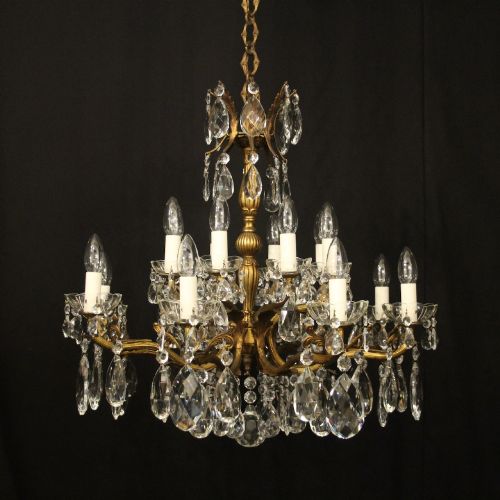
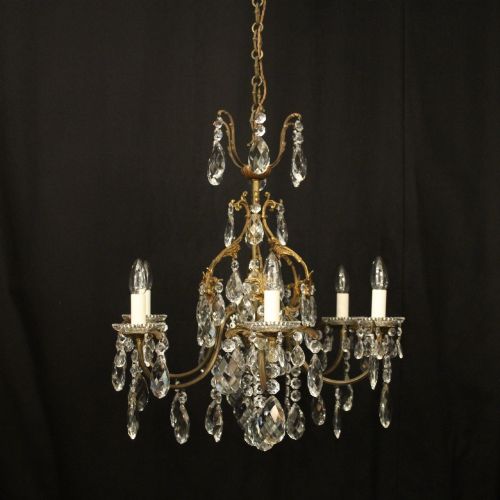
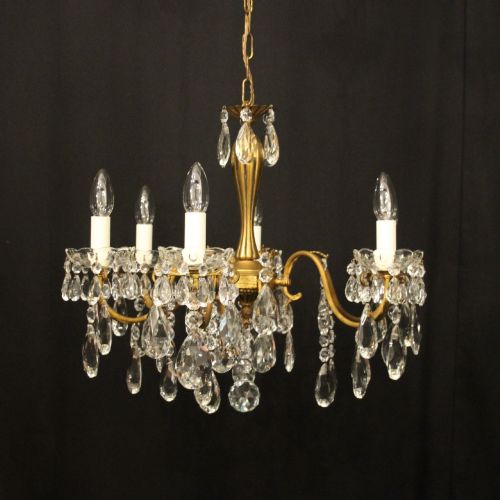
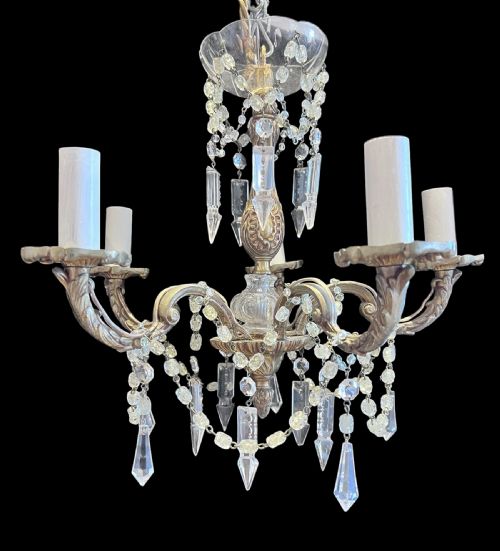
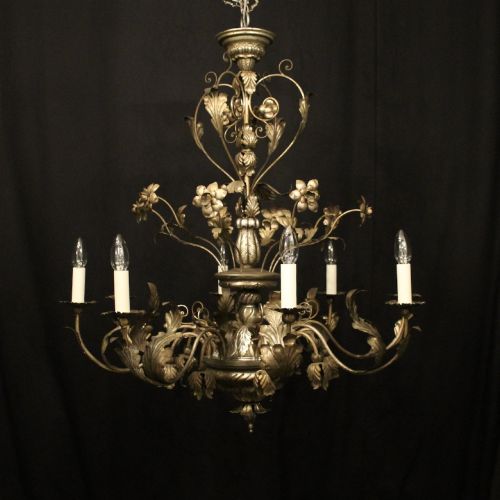
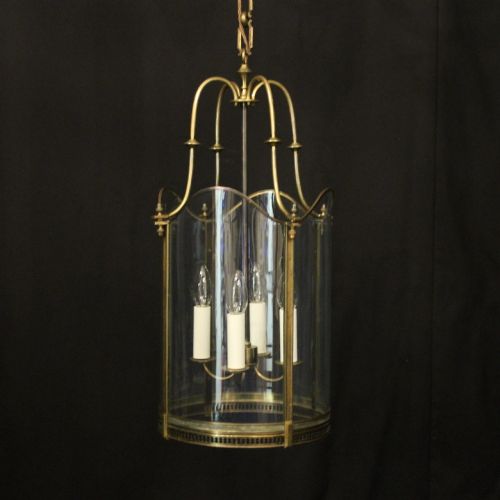
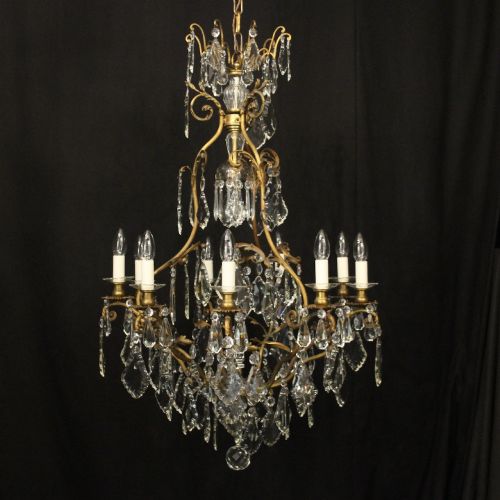
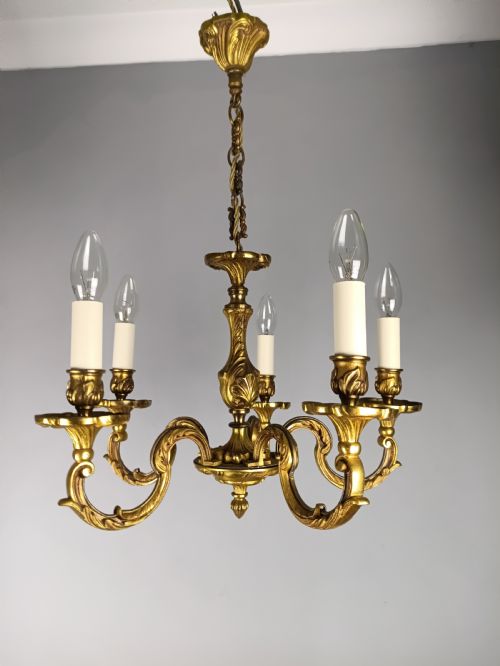
Chandeliers form the core of the selection, ranging from small multi-light arrangements to large twelve-light creations adorned with crystal drops. Wall lights and enclosed hall lanterns provide matching illumination for corridors and smaller spaces.
French and Italian models dominate the offerings, often incorporating elaborate frames like the Marie Theresa or Empire styles, while English and Dutch examples lean towards sturdier cast brass and copper forms.
Materials and construction methods
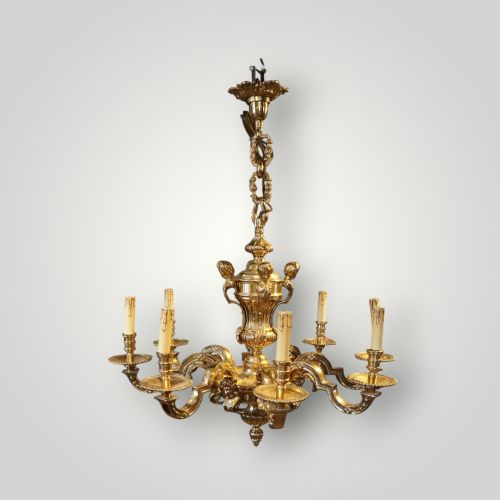
Makers utilised cast brass, gilt bronze, and gilt metal as foundational frameworks, shaping molten or sheet metal into intricate arms and brackets. Gilded finishes, silvered applications, and gesso details frequently coat the metal substrate to enhance light reflection.
Glass and crystal components, including beads, pendants, and bag tents, are wired or pinned directly to the metal frames to catch and scatter illumination. Copper elements also appear in specific regional designs like Dutch-style pieces.
Classic Brass Fixture Retail Price Guide 2026
Typical asking prices for classic brass fixture among the pieces listed under this phrase on Sellingantiques today, from the lower quarter to the upper quarter. They describe what is for sale here now, not the wider market.
The selection includes pieces from the 1860s through the 1930s, utilising brass, gilt bronze, crystal, and glass across various European styles.
Differentiating quality across pieces
The refinement of the casting and the crispness of the chased detail separate standard metalwork from superior examples. Heavy cast brass components and finely articulated bronze mounts display a depth of hand-finishing that lighter, simpler stampings lack.
The integration of the crystal and glass elements dictates the visual harmony of a piece. High-grade fixtures employ hand-cut crystal drops and secure bindings that maintain symmetry across multiple light branches.
The Classic Brass Fixture Glossary
- Chandelier
- A branched ornamental light fixture suspended from the ceiling. These hold multiple candles or electric bulbs across arms arranged in tiers.
- Gilt Bronze
- Bronze metal coated with a thin layer of gold leaf or gold amalgam. This technique provides a durable, warm metallic lustre.
- Tent and Waterfall
- A chandelier style featuring a conical upper section of strung beads resembling a tent, dropping into cascading vertical crystal strands below.
- Marie Theresa
- A distinct chandelier design characterised by a flat metal band frame completely covered in glass plates and crystal drops.
- Hall Lantern
- An enclosed hanging light fixture designed for entranceways and corridors. They protect the light source behind glass panels set within a metal frame.
Classic Brass Fixture: Frequently Asked Questions
How do I hang a heavy brass chandelier?
Suspension requires securing the fixture directly into a ceiling joist or structural beam using an appropriate metal hook and chain rated for the weight.
Electrical wiring must be routed safely through the central canopy, and professional installation is recommended due to the substantial weight of cast metal and crystal components.
What is the difference between brass and gilt bronze?
Brass is an alloy of copper and zinc, valued for its natural warm yellow tone and ease of casting into detailed arms and scrollwork.
Gilt bronze, often termedormolu, involves applying gold to a bronze base, resulting in a richer, deeper finish frequently found on higher-end French lighting.
Can these fixtures be converted for modern electricity?
Most antique lighting pieces are adapted to accept modern internal wiring and standard lamp holders while retaining their original exterior appearance.
Rewiring should be performed by a qualified electrician to ensure safety compliance without altering the historic metalwork or crystal drops.
How do I clean crystal drops on a fixture?
Crystal pendants and glass beads are best cleaned in situ using a specialist spray cleaner and a soft cloth to avoid disturbing the fine wire fixings.
Alternatively, individual drops can be unhooked, washed in warm soapy water, dried thoroughly, and reattached to the frame.