




Classic Bookcase
These classic bookcase examples bring solid timber and glazed doors into a room, offering genuine period storage for your volumes.
Classic Bookcase
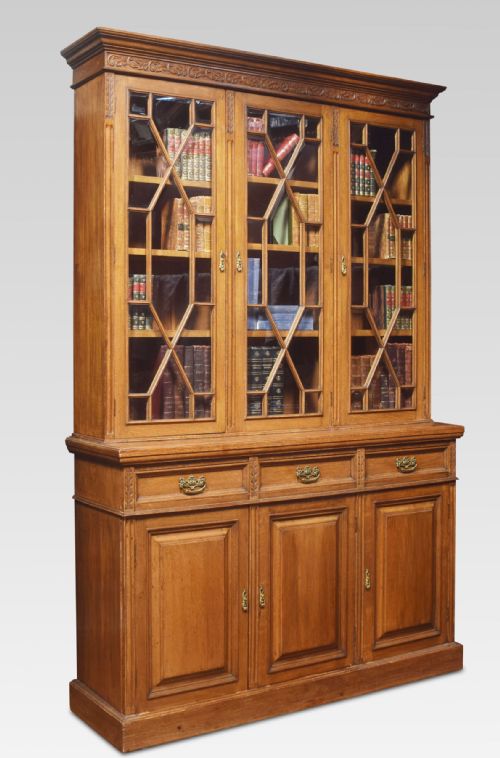
A classic bookcase provides sturdy shelving and storage for your library, appearing across the nineteenth century and into the early twentieth century. These pieces range from open front shelves to large breakfront library cupboards with glazed doors.
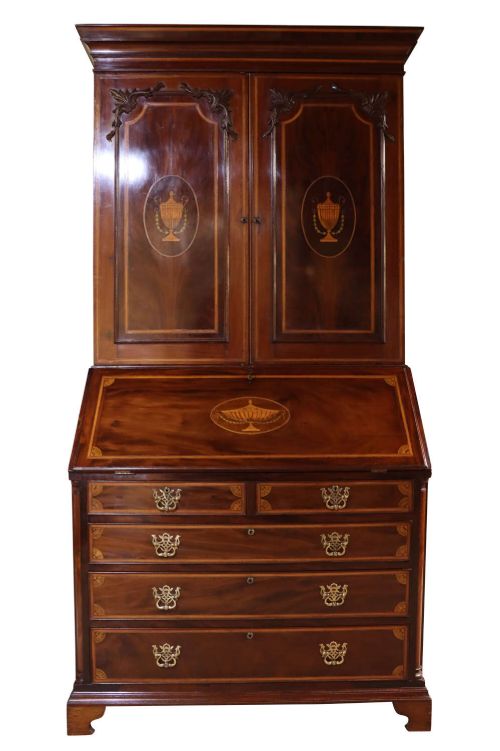
The most common formats on this page include mahogany open bookcases and grand bureau bookcases. You will also encounter specialised forms such as waterfall bookcases and walnut library cabinets.
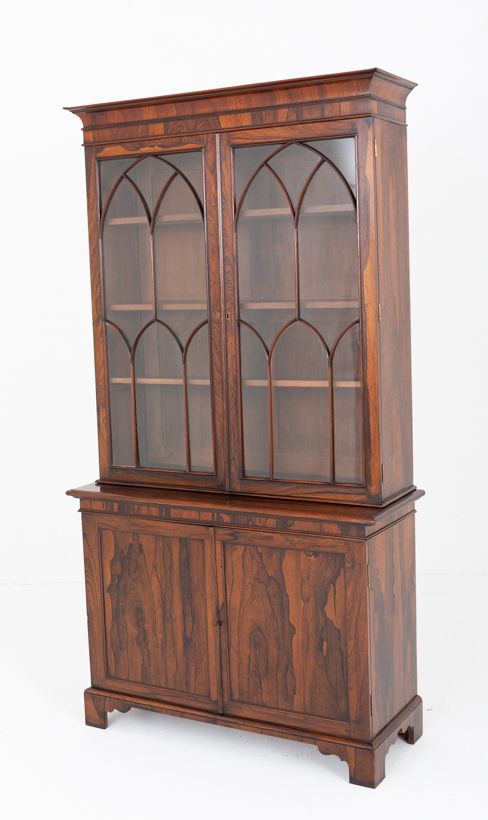
Origins span Georgian styles through to Victorian and William IV periods, reflecting traditional English cabinet making. Walnut, oak, and rosewood frequently form the carcasses of these domestic fixtures.
How they were made
Cabinet makers utilised solid mahogany and walnut, often applying finely figured veneers to broader surfaces. Construction relied on traditional joinery techniques to support the heavy weight of books.
Decorative elements include contrast cross banding, delicate boxwood stringing, and intricate wood inlay. Glazed doors protect volumes from dust while brass hardware secures cabinet sections.
Classic Bookcase Retail Price Guide 2026
Typical asking prices for classic bookcase among the pieces listed under this phrase on Sellingantiques today, from the lower quarter to the upper quarter. They describe what is for sale here now, not the wider market.
What varies in quality
The distinction between standard utility pieces and finer examples rests on the selection of timber veneers and the crispness of inlaid details. Superior items exhibit thoughtful grain matching and well proportioned architectural cornices.
Hardware choice and the integration of secondary timbers also signal the standard of manufacture. Better workshops invested greater care into internal shelving adjustments and the fitting of glass panels.
The Classic Bookcase Glossary
- Breakfront
- A cabinet design where the central section projects forward from the flanking wings. This architectural arrangement creates depth and visual interest in large library pieces.
- Cross banding
- A decorative border of veneer laid with the grain running perpendicular to the underlying panel. It frames drawer fronts and cabinet doors with a contrasting stripe of timber.
- Stringing
- Thin inlaid lines of contrasting wood, such as boxwood, used to outline panels and shelves. This subtle technique highlights the geometric lines of the cabinet.
- Waterfall bookcase
- A graduated set of open shelves where the sides step down in decreasing tiers. This lighter form became popular during the Regency period for smaller collections.
- Bureau bookcase
- A combination piece featuring a sloping writing flap above shelving or cupboards. It integrates desk space directly into the library storage.
Classic Bookcase: Frequently Asked Questions
How do I date a wooden bookcase?
Examine the timber species, construction methods, and secondary woods used inside drawers or behind back panels. Characteristic mouldings and decorative stringing also align pieces to specific nineteenth century periods.
Hardware such as brass hinges and escutcheons provides further chronological clues. Compare the overall style to known Georgian, Regency, or Victorian design conventions.
Are open bookcases sturdy enough for heavy books?
Traditional open bookcases constructed from solid mahogany or oak easily support heavy volumes. The fixed or adjustable wooden shelves were engineered to prevent sagging under significant weight.
Inspect the shelf thickness and wall bracket attachments if you plan to house dense antiquarian texts. Solid timber construction ensures long term structural integrity.
How should I care for a mahogany bookcase?
Keep wooden bookcases away from direct sunlight and steady heat sources to prevent timber cracking and veneer lifting. Dust regularly with a dry cloth and apply occasional specialist wax to nourish the polish.
Maintain stable room humidity to protect antique glue joints and delicate boxwood stringing. Proper environmental control preserves the original finish.