



Classic Blue Lamp
A classic blue lamp brings a rich splash of colour and historical character into a room, offering warm illumination alongside enduring decorative appeal.
Classic Blue Lamp
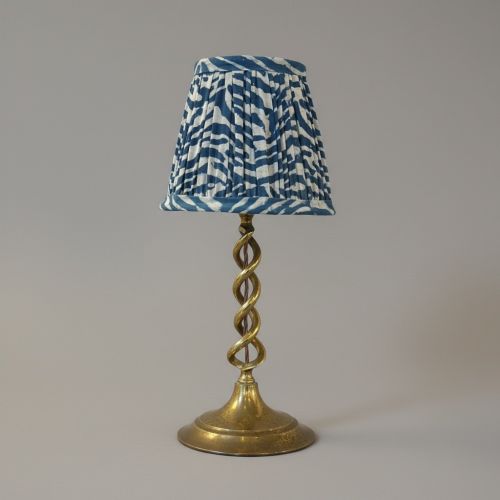
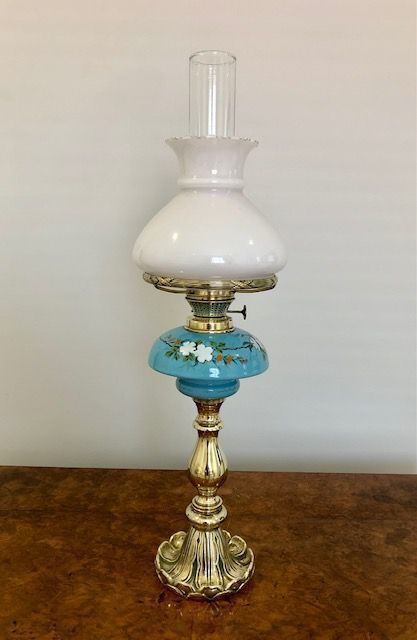
A classic blue lamp encompasses table lamps, oil lamps, and standard floor lamps spanning periods from the seventeenth century through to the early twentieth century. These pieces draw upon traditional, Victorian, Edwardian, and Neoclassical design influences, often taking inspiration from French Rococo Revival or Louis XVI styles.
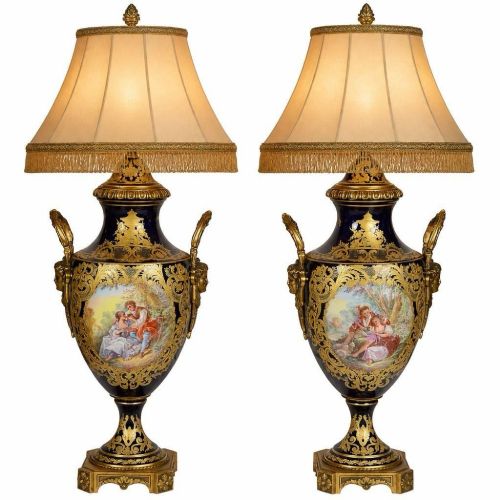
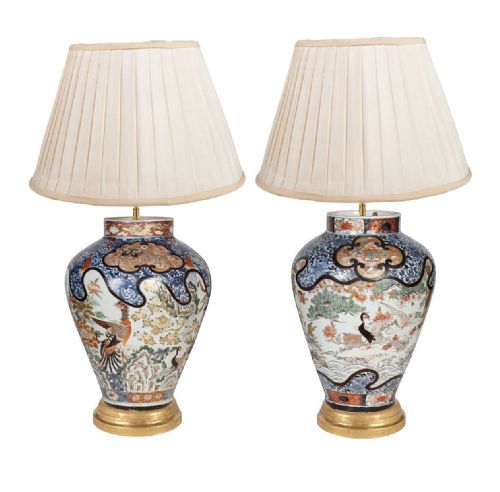
The most common examples on this page are porcelain and ceramic table lamps, frequently styled after Sèvres porcelain or finished with Chinese blue and white motifs. Buyers frequently encounter pairs of matching lamps, as well as converted vases and jars that now function as household lighting.
Materials extend beyond ceramics to include brass, glass, gilt bronze, and carved wood, sometimes paired with fabric or silk shades. These objects bridge the gap between functional household items and decorative antiques originating from European and Asian traditions.
How they were made
Porcelain bodies were hand-painted and glazed, often utilising traditional blue and white pigment techniques seen in Chinese and Japanese ceramics. European makers replicated these aesthetic traditions in various nineteenth-century workshops, producing decorative vases intended for later conversion into lighting.
Metal components such as brass, ormolu, and gilt bronze underwent casting and mounting processes to secure the ceramic bodies. These mounts often feature intricate French-style cast detailing, providing structural support alongside ornamental enrichment for the lamp base.
Classic Blue Lamp Retail Price Guide 2026
Typical asking prices for classic blue lamp among the pieces listed under this phrase on Sellingantiques today, from the lower quarter to the upper quarter. They describe what is for sale here now, not the wider market.
A surprising number of these illuminating characters began life quietly as vases before finding a second career holding up lightbulbs.
What varies in quality
The fineness of the hand-painted detail on porcelain bodies distinguishes standard production from superior pieces. Crispness in the cast ormolu mounts and the weight of the underlying brass or bronze further separate simpler examples from more substantial work.
Originality of the components also dictates the standing of a piece, particularly where antique vases or ewers have been adapted into lamps. Matching pairs carry distinct merit compared to single items due to the difficulty of keeping complete sets intact over centuries.
The Classic Blue Lamp Glossary
- Ormolu
- Gilded bronze mounts used extensively in French furniture and decorative lighting to add ornamental richness. This technique involves applying a gold amalgam to a bronze base.
- Sevres style
- A decorative manner imitating the aesthetic of the famous French porcelain factory. Pieces often feature rich blue glazes and hand-painted details.
- Chinoiserie
- European artistic styles reflecting Chinese and East Asian motifs. This aesthetic appears frequently on ceramic lamp bases.
- Imari
- A traditional style of Japanese export porcelain characterised by blue, iron-red, and gold designs. These pieces were often converted into lamps in later periods.
- Ewer
- A large jug with a wide spout traditionally used for pouring water. In lighting, antique ewers are sometimes adapted to serve as ornamental lamp bases.
Classic Blue Lamp: Frequently Asked Questions
Are these lamps safe for modern homes?
Most antique lamps have been rewired at some stage to accommodate contemporary electrical standards. It remains sensible to have any older wiring checked by a qualified electrician before daily use.
How do I date a blue ceramic lamp?
Dating relies on examining the characteristics of the ceramic body, the style of the hand-painting, and the method of metal mounting. Comparing the piece to known periods such as the Victorian era or late nineteenth century provides further clues.
Can I find matching pairs easily?
Pairs do appear among porcelain table lamps and candlestick lamps, originating from both French and Asian traditions. Sourcing matching sets requires patience as they are less common than single lamps.
What styles complement a blue ceramic lamp?
These lamps suit traditional, eclectic, and classic interiors where porcelain and brass elements add texture and colour. They sit comfortably alongside period furniture as well as simpler contemporary spaces.