
Classic Drawers
Classic antique drawers are practical storage pieces crafted in mahogany, walnut, and pine across Georgian, Victorian, and Edwardian periods.
Classic Drawers
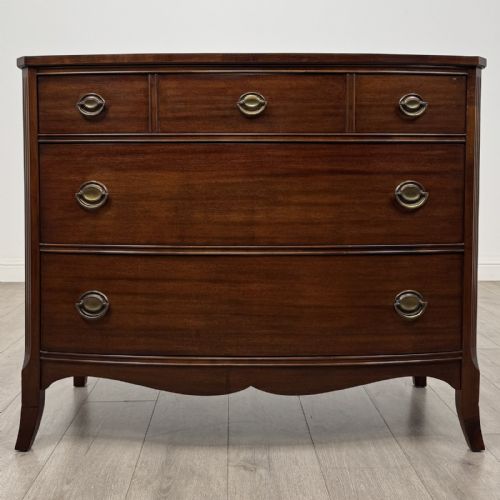
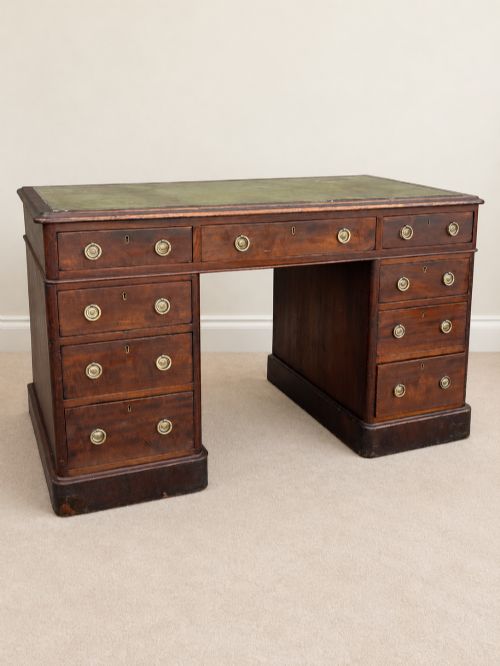
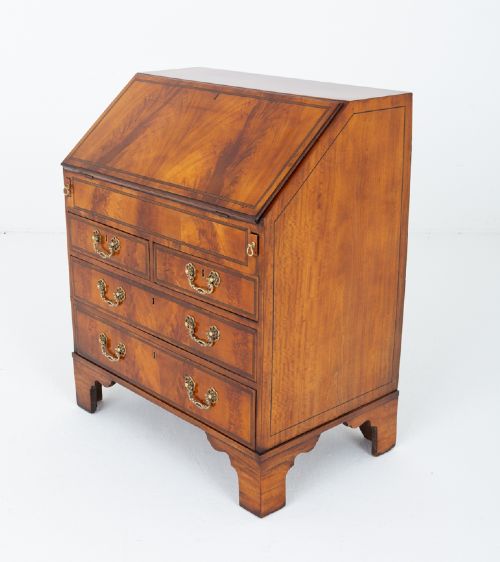
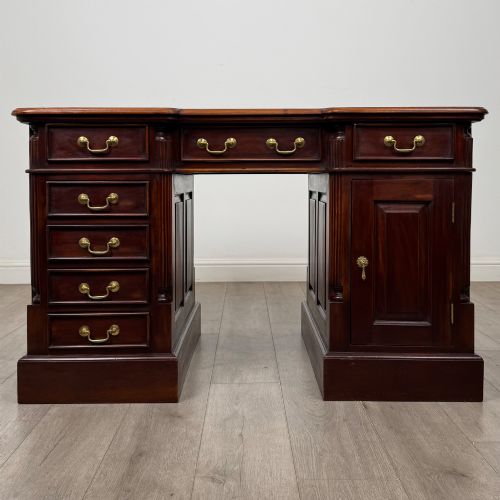
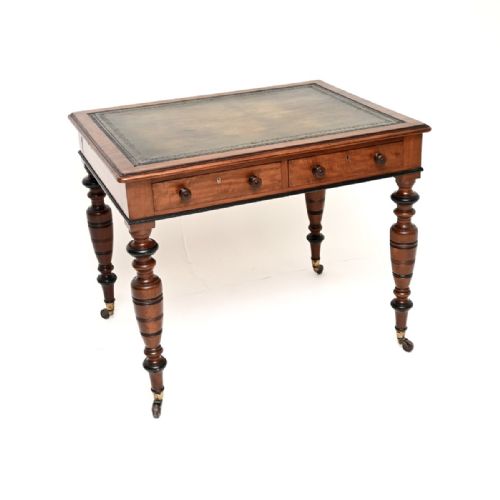
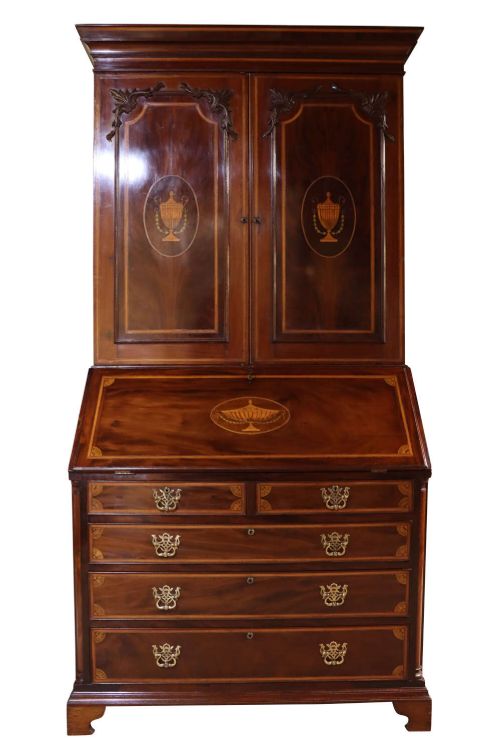
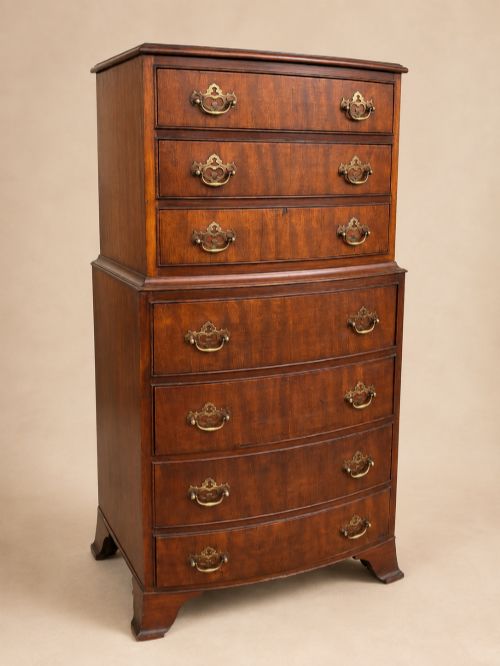
When you search for classic antique drawers, you encounter chest of drawers formats alongside desks, bureaux, and bedside cabinets spanning the eighteenth to early twentieth centuries. These storage pieces appear in proportioned forms such as bow fronts, tallboys, and pedestal configurations.
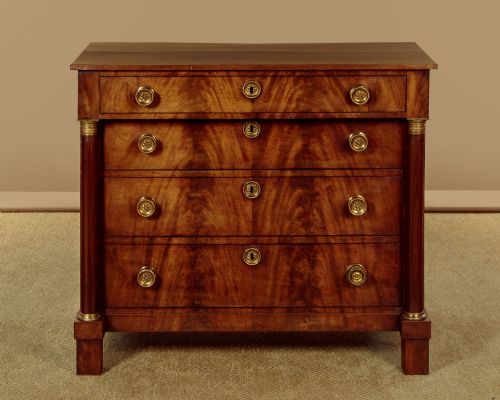
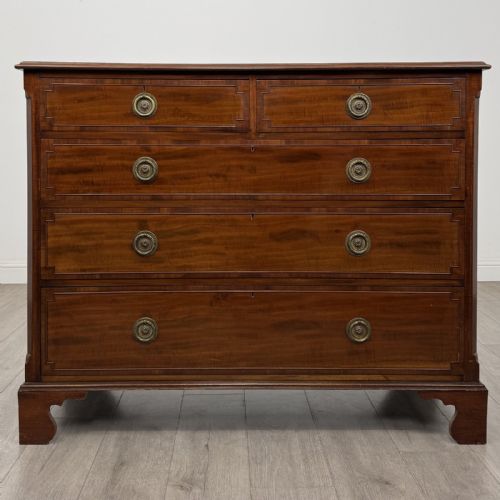
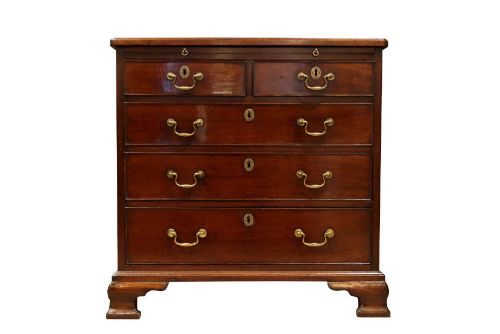
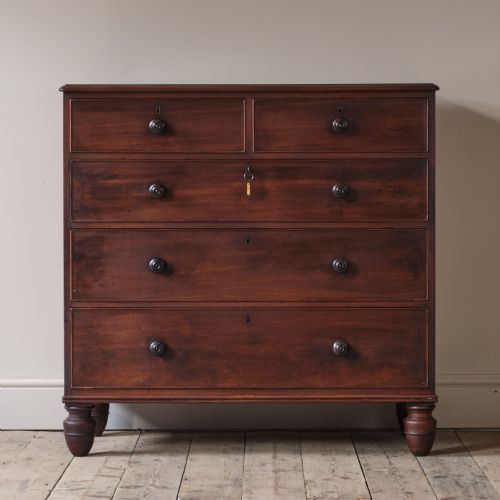
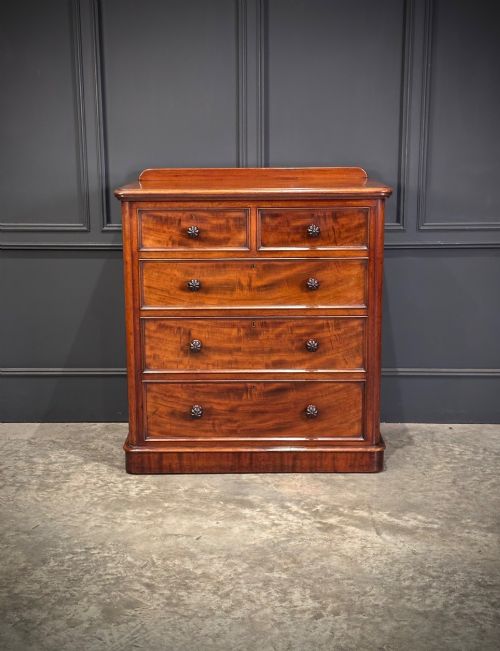
The mahogany chest of drawers dominates the selection, frequently structured with two small drawers over three graduated long drawers. Victorian and Edwardian iterations provide utilitarian pine dressers and golden oak chests alongside formal Georgian styles.
Regional and continental variations introduce Swedish flame birch and French commodes alongside traditional English cabinetmaking. Each period brings distinct edge treatments, handle configurations, and foot styles to the storage form.
Materials and construction methods
Cabinetmakers utilised solid mahogany, walnut, and pine as foundational timbers, frequently applying flame mahogany veneer to primary drawer fronts for visual depth. Secondary structural elements often incorporate oak or softwoods hidden within drawer linings and carcase backs.
Joinery relied on hand-cut dovetailing for drawer construction, ensuring durability across centuries of daily opening and closing. Brass handles, backplates, and occasional leather writing inserts complete the fabrication details.
Listings feature mahogany, pine, walnut, and brass across Georgian, Victorian, and Edwardian periods.
Judging the standard of execution
Quality rests upon the selection of timber veneers, the tightness of dovetail joints, and the retention of original brass hardware. Superior examples display consistent grain matching across drawer tiers and smooth drawer operation within the carcase.
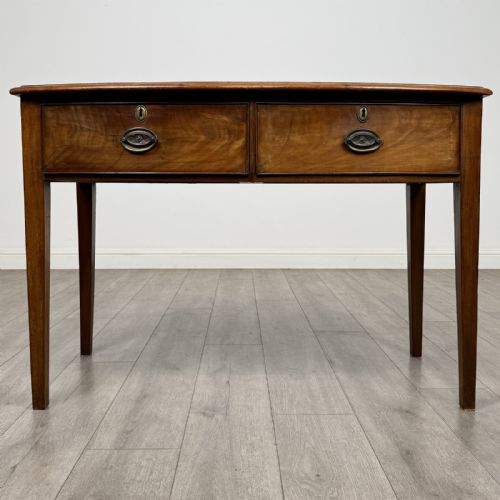
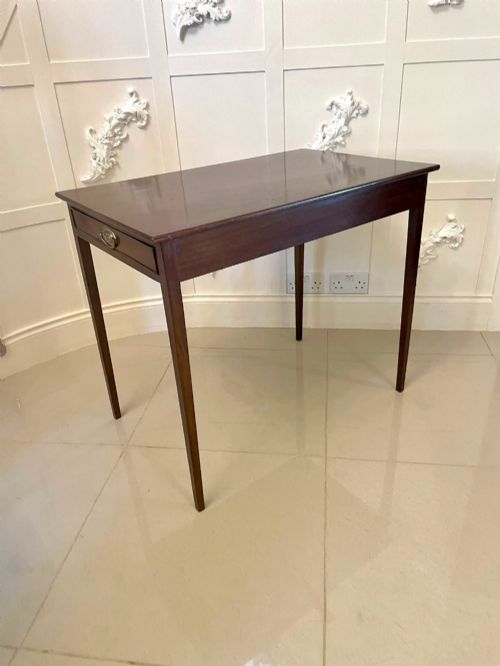
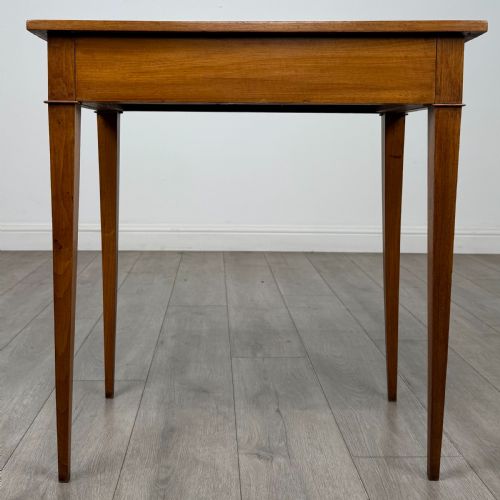
The refinement of carved bracket feet, tapered legs, or moulded bracket edges distinguishes standard utilitarian storage from finely proportioned cabinetmaker pieces.
T G Seddon
The Classic Drawers Glossary
- Bow front
- A convex curved cabinet front that swells outward in the centre, popular in Georgian and Regency periods.
- Bracket foot
- A simple foot shape resembling a bracket, supporting the corners of chests and case furniture.
- Dovetail
- An interlocking joint formed by wedge-shaped fingers, used primarily in drawer construction to resist pulling forces.
- Tallboy
- A tall chest of drawers standing upon another chest or a low base, also known as a chest on chest.
- Brushing slide
- A pull-out shelf inset beneath the top of a chest, historically used for folding clothes or writing.
Classic Drawers: Frequently Asked Questions
How do I date a chest of drawers?
Dating relies on observing structural clues such as hand-cut dovetails, timber choices like solid mahogany or pine, and hardware styles. Secondary woods inside drawer frames also help indicate the period of manufacture.
Cabinet proportions and foot designs, ranging from bracket feet to Regency pilasters, further anchor pieces to Georgian, Victorian, or Edwardian eras.
What is a brushing slide?
A brushing slide is a pull-out shelf concealed just below the top surface of a chest. It provided a convenient flat surface for folding garments or temporary writing.
This feature appears frequently on Georgian and eighteenth-century pieces, adding functional versatility to formal bedroom furniture.
Are pine chests antique?
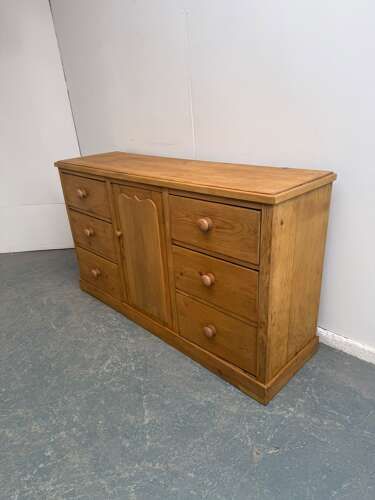
Pine chests include nineteenth-century waxed kitchen dresser bases and large multi-drawer storage units. These pieces offer a more rustic alternative to polished mahogany or walnut.
Their sturdy construction made them enduring household utilities across Victorian domestic spaces.