



Citrine Stone Jewellery
Citrine stone jewellery brings warm amber and yellow quartz into necklaces, rings, and brooches across periods from the Georgian era to the mid-twentieth century.
Citrine Stone Jewellery
Citrine stone jewellery spans several distinct eras, bringing forth gold and silver rings, pendants, and brooches that feature the characteristic yellow quartz. The pieces appearing here range from Georgian necklaces to Victorian and Edwardian silver pieces, alongside mid-century gold designs.
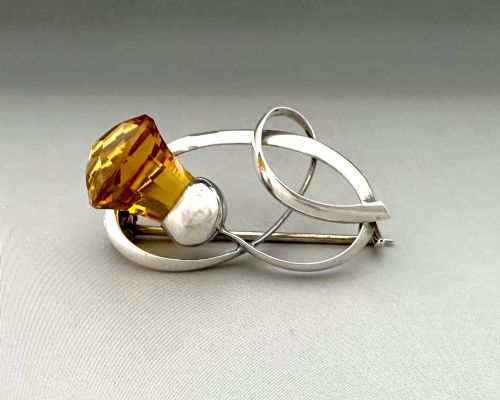
Buyers will encounter rings and pendants most frequently, often featuring faceted stones set alongside pearls, diamonds, or paste. Forms vary from simple solitaire rings to elaborate cluster pendants and thistle-shaped silver brooches.
The materials recorded across these listings combine citrine with yellow gold, nine-carat gold, silver, and occasional faceted glass or smoky quartz. Origins stretch from the nineteenth century through the Edwardian period into the nineteen-fifties and sixties.
How they were made
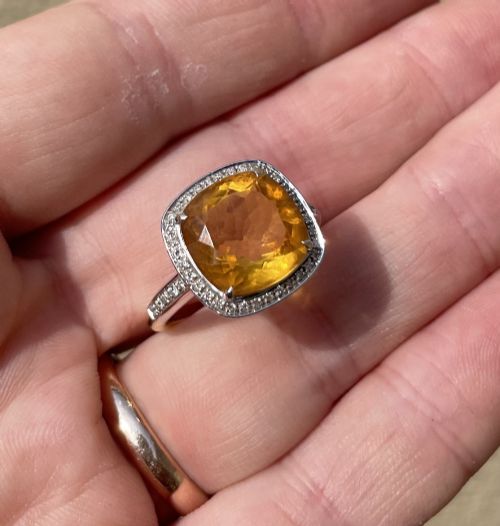
Makers set citrine stones into mountings of silver or gold, utilising nine-carat gold and yellow gold alongside sterling silver settings. Stones receive facet cuts such as cushion and oval shapes to catch the light within rings, pendants, and drop necklaces.
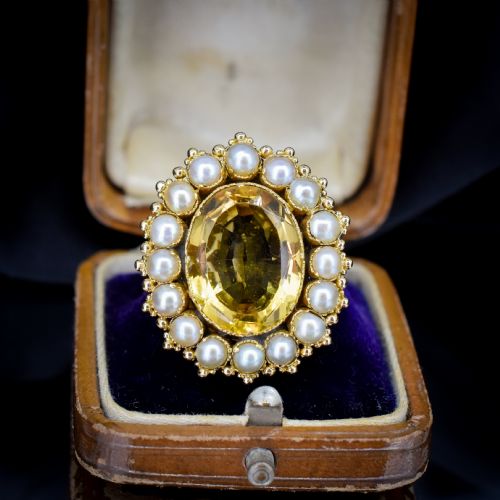
Cluster and halo designs arrange smaller pearls, diamonds, or paste stones around a central citrine, secured in traditional claw or bezel settings. Screwback mechanisms appear on earrings from the Victorian period, while brooches utilise pin and catch fixings.
Citrine Stone Jewellery Retail Price Guide 2026
Typical asking prices for citrine stone jewellery among the pieces listed under this phrase on Sellingantiques today, from the lower quarter to the upper quarter. They describe what is for sale here now, not the wider market.
What varies in quality
Quality depends upon the depth of colour within the quartz and the precision of the stone-cutting, where clean facets enhance the warm amber tones. The surrounding metalwork, whether yellow gold or silver, shows greater refinement in earlier Victorian and Edwardian examples through delicate detailing.
The integration of secondary stones, such as pearls or diamonds in cluster rings, influences the overall character and craftsmanship of a piece. Substantial gold weight and secure stone settings distinguish finer rings and pendants from simpler variations.
The Citrine Stone Jewellery Glossary
- Citrine
- A yellow variety of quartz valued for its transparent amber and golden hues. It appears frequently in rings, brooches, and pendants across multiple historical periods.
- Cushion Cut
- A stone shape with rounded corners and larger facets that resemble a pillow. This traditional cut is common in nineteenth-century and mid-century citrine rings.
- Halo Cluster
- An arrangement of smaller gems encircling a larger central stone. This setting style enhances the visual presence of the primary citrine in rings.
- Screwback
- A mechanical earring fastening that tightens via a threaded screw rather than relying on a post or clip. This design is typical of older Victorian earrings.
Citrine Stone Jewellery: Frequently Asked Questions
What periods do these pieces come from?
The selection includes items from the Georgian and Victorian eras, Edwardian designs, and mid-century pieces from the nineteen-fifties and sixties.
Each period brings distinct metal choices and mounting styles, ranging from silver thistle brooches to gold cluster rings.
How do I care for citrine jewellery?
Quartz is relatively durable, but gold and silver settings benefit from gentle cleaning with a soft cloth and warm soapy water. Avoid harsh chemical dips, especially when pearls or paste stones are present in the piece.
Store items individually to prevent harder gemstones from scratching the metal or the citrine surface.
Are the stones natural citrine?
The listings feature natural quartz alongside pieces incorporating related materials like smoky quartz and coloured paste. Each era approached gemstone selection differently, reflecting the prevailing lapidary techniques of the time.
Examining the facet work and mounting helps identify the construction methods used by period makers.
What metal types are used?
Metals span sterling silver and various grades of gold, including nine-carat gold and yellow gold. Silver predominates in Edwardian and Victorian brooches and pendants.
Gold is common in rings and necklaces from the nineteenth century onwards, often matching the warm tone of the citrine.