


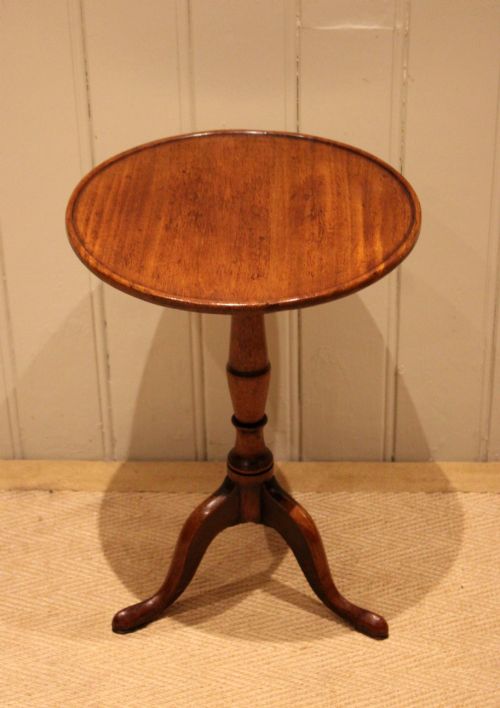
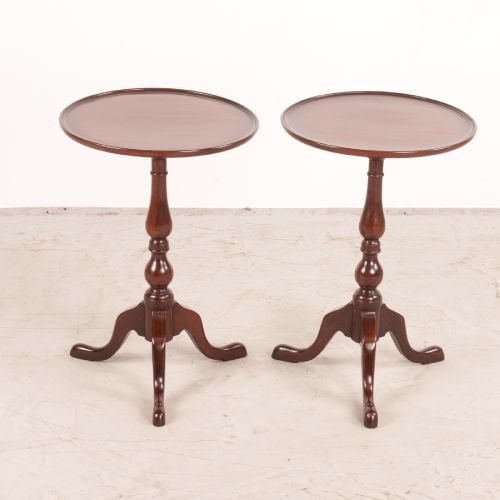
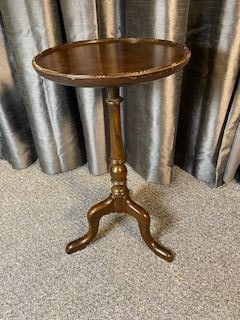
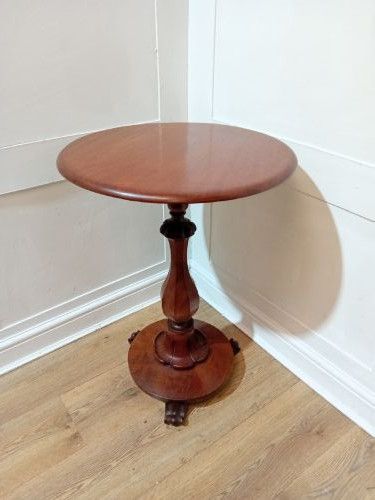
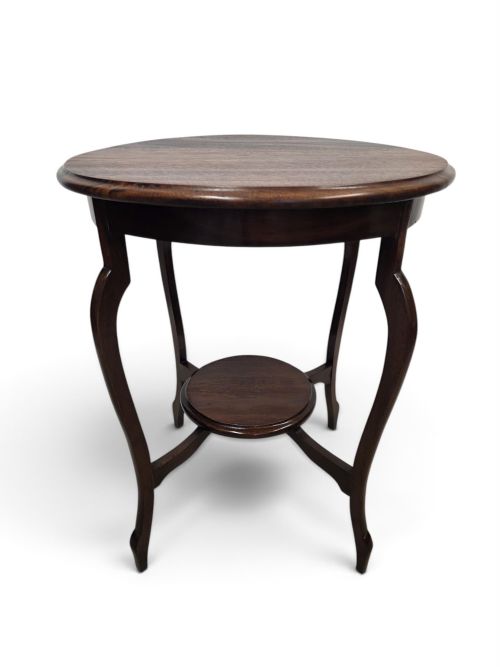
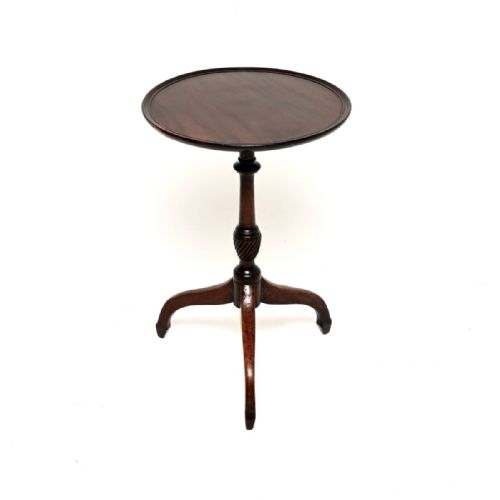
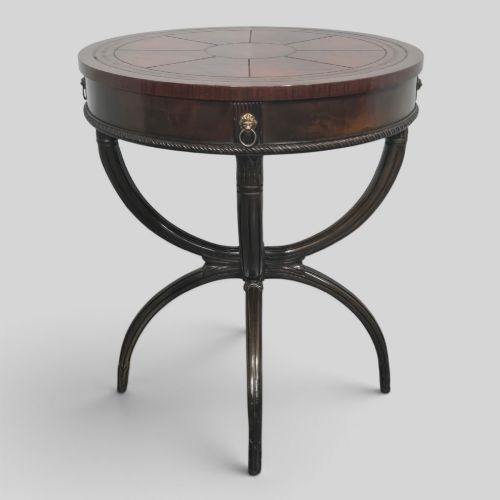
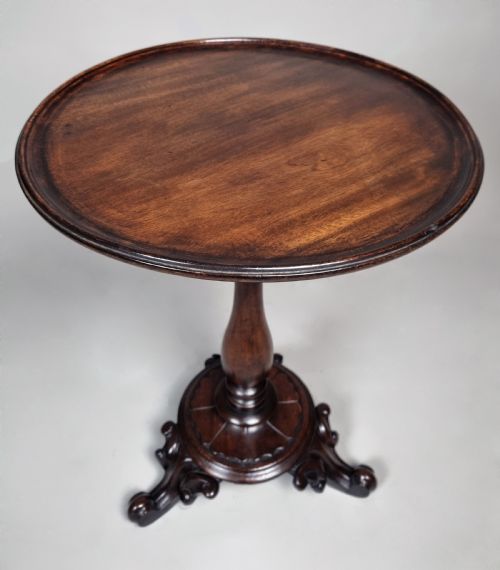
Circular Mahogany Lamp Table
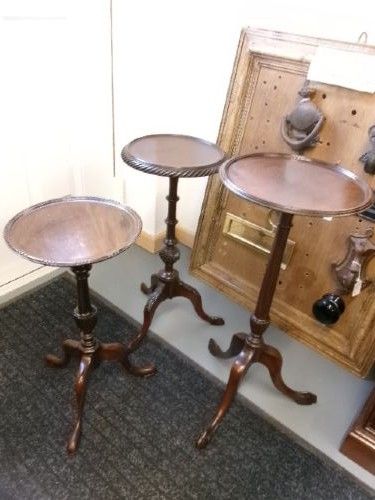
These pieces are the circular mahogany lamp table you need beside a deep chair for your evening book and glass.
Circular Mahogany Lamp Table
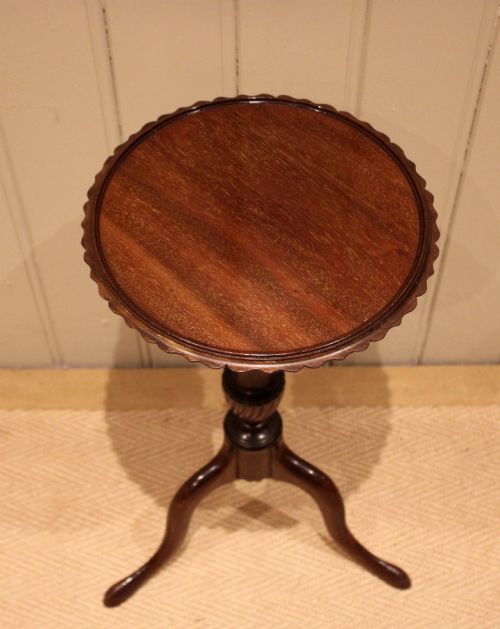
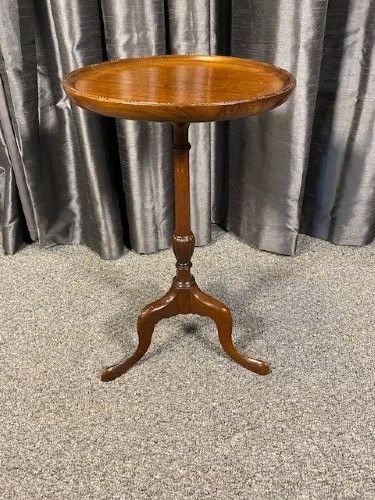
A circular mahogany lamp table sits on a central pedestal with tripod or platform feet, designed to hold illumination beside seating. When you search for this phrase, you meet forms that span from the Georgian period through the Victorian era and into Edwardian times.
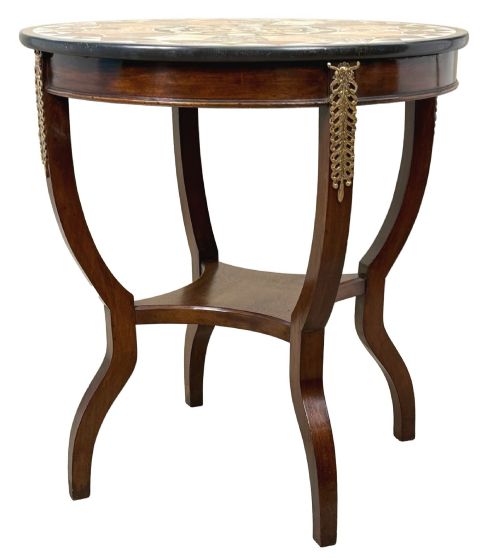
The listings on this page include wine tables, occasional tables, and occasional centre tables built with round tops in solid or figured mahogany. These tables arrived in English and French drawing rooms to serve functional needs while showing off timber grain and proportion.
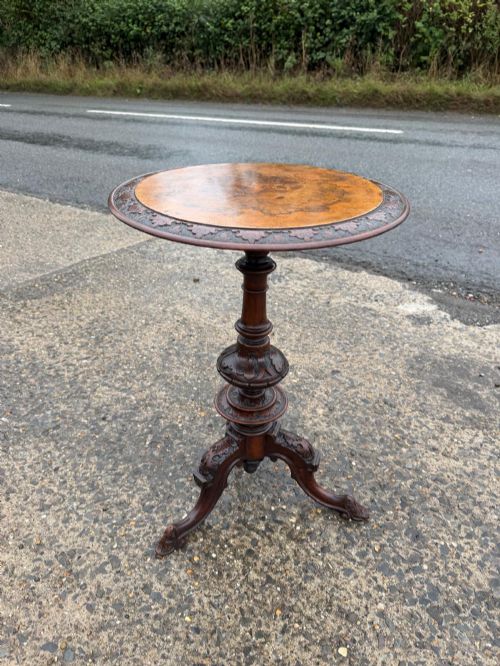
Victorian and Edwardian versions appear frequently, often featuring tripod bases or tilt mechanisms intended for easy storage against a wall when not in use.
How They Were Made
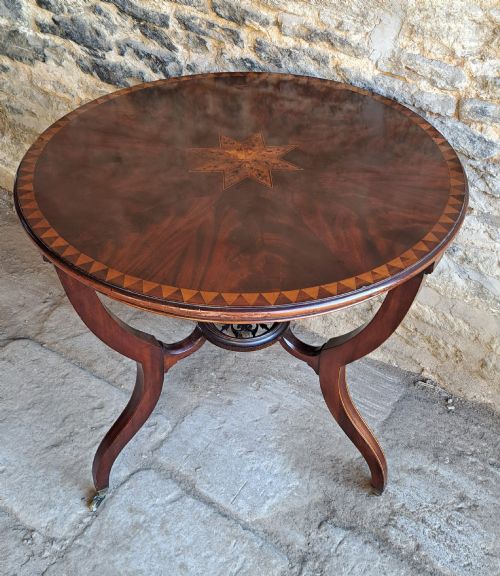
Cabinet makers constructed these tables primarily from mahogany, frequently selecting flame, burr, or figured veneers for the circular top surface. Workshops utilised secondary timbers like oak for internal framing and added decorative banding in satinwood, boxwood, or rosewood.
Pedestals turned on lathes to form central columns supported by three sweeping legs, sometimes finished with brass paw feet or castors. In French and later English examples, inset white marble tops or brass gallery rails appear alongside traditional wooden surfaces.
Tilt-top tables spent much of their historic life vertical, acting as decorative wooden panels against drawing room walls.
What Varies in Quality
The distinction between ordinary and exceptional pieces rests upon the selection of timber and the crispness of the carving on the pedestal base. Tables displaying highly figured flame mahogany or intricate marquetry inlay show a level of workshop ambition that simpler production pieces lack.
Joinery stability defines the longevity of a pedestal table, where a tight joint between the central column and the tripod legs maintains balance without wobble. Maker attribution, through stamps or known design provenance, also elevates certain examples above standard domestic furniture.
James Shoolbred·Waring and Gillow·A Hugnet Paris·Ambrose Heal·Maples and Co
The Circular Mahogany Lamp Table Glossary
- Mahogany
- A durable tropical hardwood prized for its rich reddish-brown colour and stability in cabinet making. It accepts polishing to a deep lustre.
- Tilt Top
- A hinged mechanism allowing the circular tabletop to pivot vertically against the pedestal. This clever design enabled tables to stand flat against walls when space was required.
- Tripod
- A base comprising three supporting legs radiating from a central pillar. This configuration ensures the table remains steady on uneven floorboards.
- Guéridon
- A small French round table supported by a central column or figures. These often feature marble tops and brass galleries.
- Satinwood
- A pale, lustrous timber utilised for contrasting inlay and stringing on mahogany surfaces. It brings a bright decorative border to dark tops.
Circular Mahogany Lamp Table: Frequently Asked Questions
What is a circular mahogany lamp table?
It is a small round pedestal table designed to hold a lamp or drinking glass beside a chair or sofa. These versatile tables emerged in various forms from the eighteenth century onwards.
Cabinet makers produced them in distinct regional styles, ranging from plain Georgian tripod designs to inlaid Edwardian occasional pieces.
How were these tables used originally?
People placed them in drawing rooms and libraries to support portable lighting, pocket watches, or wine glasses during social evenings. Tilt-top versions allowed servants to clear floor space quickly when rooms were needed for dancing or dining.
Their mobility meant they moved easily from a corner to a fireside chair depending on the requirements of the household.
How do I style one in a modern room?
Position the table beside a reading chair or at the end of a sofa where its compact circular top can hold a small lamp or a stack of books. The warm reddish tones of the mahogany blend naturally with both neutral contemporary interiors and traditional colour schemes.
Keep the surface styling minimal to allow the wood grain or inlaid details to remain visible.
How can I tell a Georgian table from a Victorian one?
Georgian examples often rely on restrained proportions, subtle carving, and architectural stability without heavy ornamentation. Victorian and Edwardian pieces frequently introduce bolder figured veneers, marquetry inlay, or contrasting marble tops.
Examining the construction of the underside and the turning of the central pedestal helps clarify the period of manufacture.