
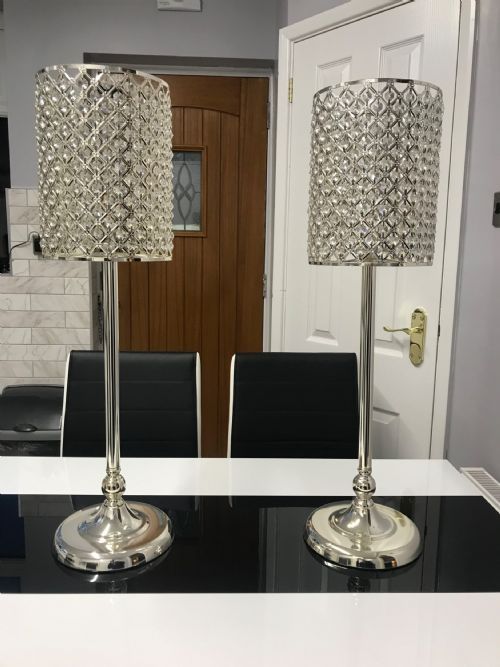


Chrome Table Light
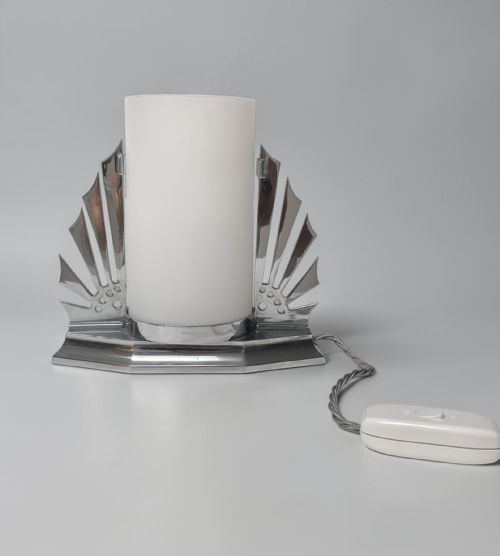
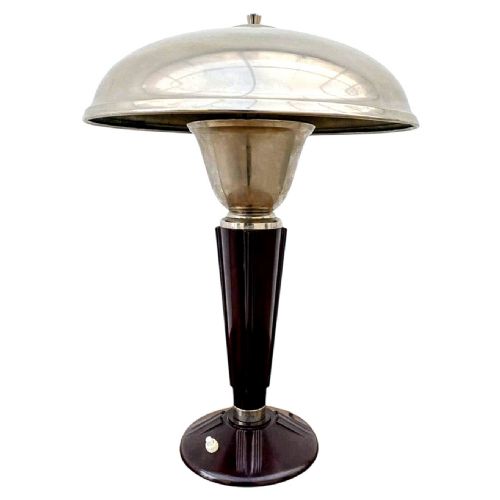
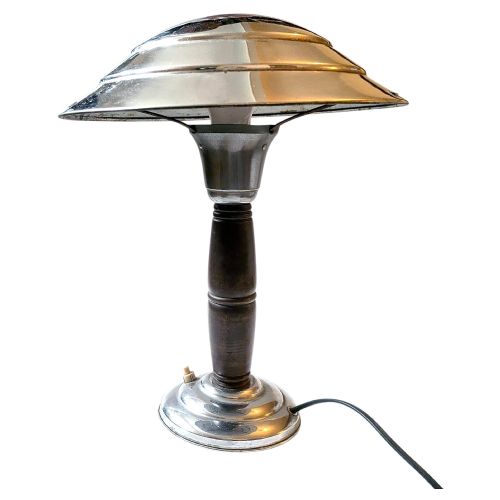
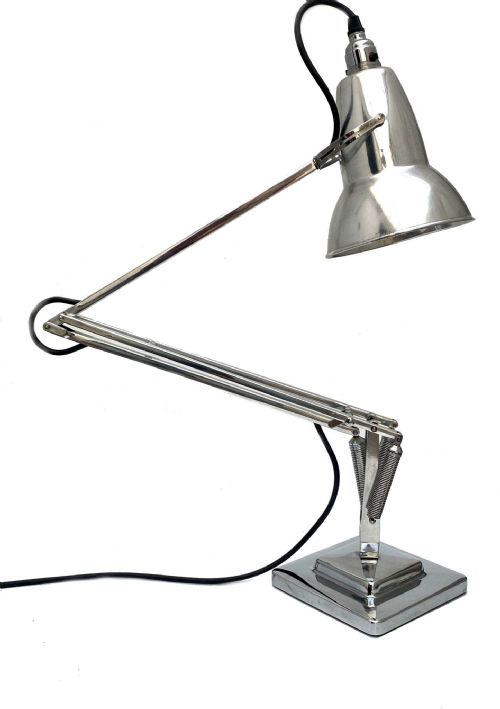
These chrome table light pieces bring industrial polish and geometric elegance to a desk, drawing heavily on Art Deco and Machine Age designs.
Chrome Table Light
A chrome table light sits on a desk or side table, providing directional or ambient illumination through polished metal and glass components. When buyers search for a chrome table light, they most commonly encounter Art Deco and Machine Age pieces originating from the nineteen-twenties, thirties, and forties.
Makers and designers from France and Britain dominate the selection, often pairing the bright metallic finish with contrasting materials like dark bakelite or parchment leather. These desk and table lamps reflect the sleek technological ambitions of the interwar period.
Materials and construction
Makers built the primary structures of a chrome table light using plated base metals, solid brass cores, and polished steel. Chrome plating provided a durable, mirror-like finish that resisted tarnishing while catching the light in domestic and office settings.
Listings feature chrome table light pieces primarily from the nineteen-twenties and nineteen-thirties, alongside examples from the nineteen-forties and sixties.
Distinctions in quality
Superior examples of a chrome table light display precision engineering in their mechanical joints, hinges, and adjustable arms, moving smoothly without slack. The weight and thickness of the spun metal shades and the depth of the chrome plating distinguish substantial workshop production from lighter commercial output.
Artistic execution dictates the value in figural or themed pieces, where the casting definition of athletes, yachts, or cherubs remains crisp and detailed. The integration of high-grade coloured or moulded glass shades further elevates a piece above standard utilitarian desk lamps.
Eileen Grey·Herbert Terry·Pirouette·Kaza
The Chrome Table Light Glossary
- Chrome
- An electroplated coating of chromium applied over metal to provide a bright, corrosion-resistant finish. This shiny layer defines the visual identity of interwar machine age lighting.
- Bakelite
- An early form of synthetic phenol-formaldehyde plastic valued for its durability and rich dark lustre. It frequently appears on switches, bases, and handles alongside metal components.
- Machine Age
- A design aesthetic from the interwar decades celebrating industrial efficiency, clean lines, and modern materials. Lamps in this style draw inspiration from ocean liners, factories, and transport.
- Opaline glass
- A milky, semi-translucent glass type used for lamp shades to diffuse light evenly. It softens the glare of the bulb while adding a subtle glow to the fixture.
Chrome Table Light: Frequently Asked Questions
How do I date a chrome table light?
Dating relies on identifying stylistic markers such as stepped art deco bases, machine age geometry, and specific switch types. Materials like early bakelite and coloured glass also point toward production dates spanning the nineteen-twenties to the nineteen-forties.
Examining construction methods and manufacturer marks helps narrow down the decade of manufacture. Pieces from the interwar period often feature heavy cast metal bases and specific plating techniques distinct from later mid-century manufacturing.
Are these lamps safe for daily use?
Most vintage lighting benefits from professional rewiring to meet contemporary safety standards before regular daily use. Many examples are updated with modern electrical flex while retaining their original switches and lamp holders.
Buyers should consult a qualified electrician to check the internal wiring and earthing of metal desk lamps. Using modern LED bulbs helps reduce heat buildup inside enclosed glass shades.
What is the difference between a desk lamp and a table lamp?
Desk lamps generally incorporate adjustable arms, swiveling shades, or focused task lighting designed for reading and working. Table lamps often prioritise decorative presence, featuring fixed columns, figural sculptures, or ambient glass shades.
Many interwar designs blur these categories by offering adjustable articulation combined with decorative figural bases or coloured glass elements.
How should I clean a vintage chrome surface?
Cleaning requires a soft, dry microfibre cloth to remove dust without scratching the delicate plated finish. Abrasive cleaners and harsh chemical polishes must be avoided because they strip away the thin chromium layer.
For stubborn grime, a slightly damp cloth with mild soap can be used, followed immediately by thorough drying. Preserving the original patina ensures the metal retains its historical character.