



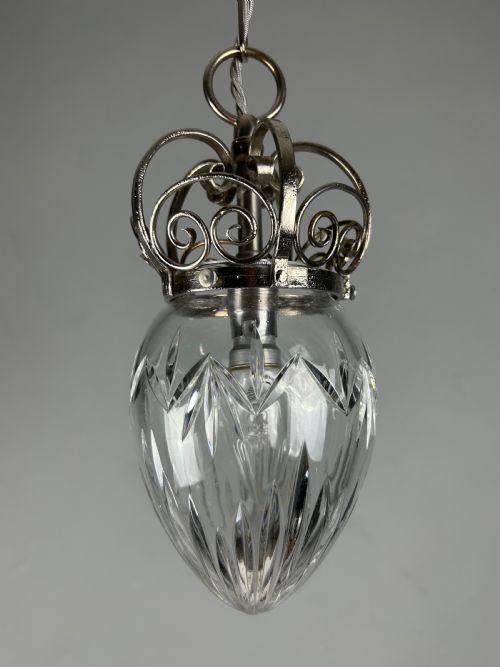


Chrome and Glass Pendant
A chrome and glass pendant brings together polished metal and luminous glass to light a room with undeniable twentieth-century character.
Chrome and Glass Pendant
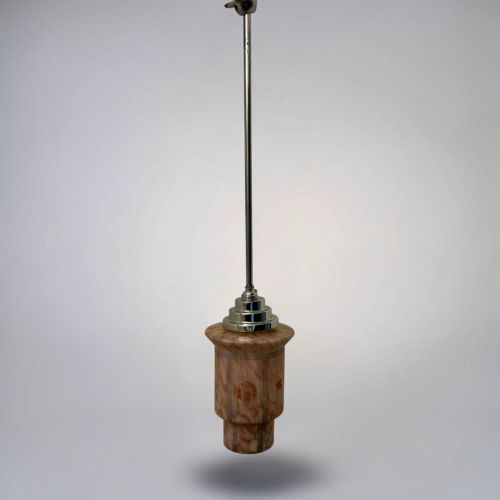
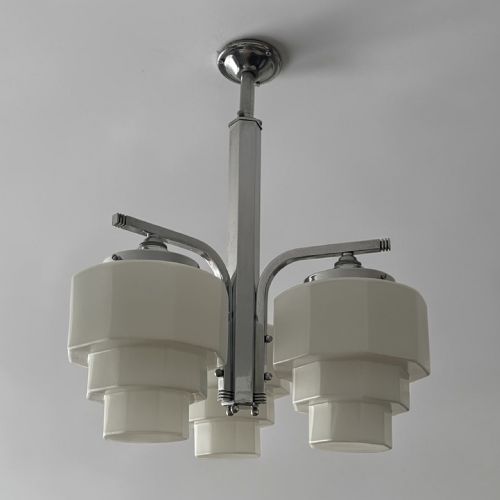
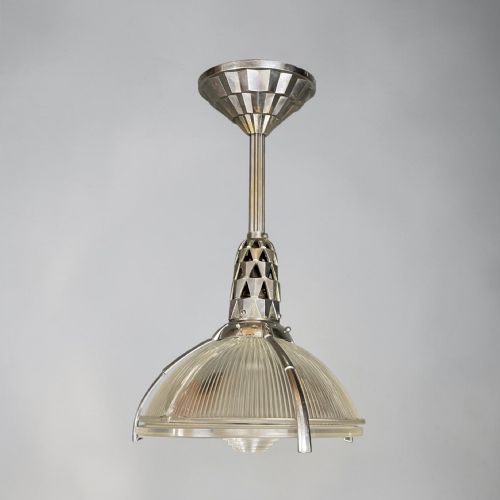
When you search for a chrome and glass pendant, you encounter lighting fixtures designed primarily in the nineteen-twenties and nineteen-thirties. These pieces take the form of ceiling lights, pendant lanterns, and hanging lamps shaped by the aesthetic movements of their decade.
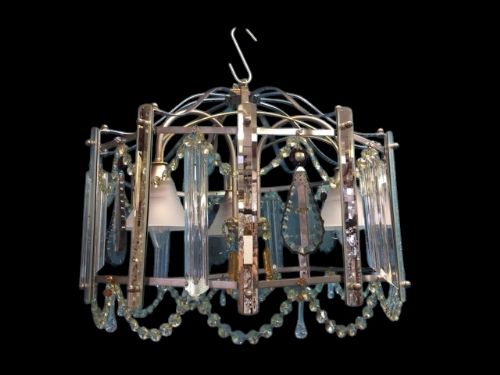
The selections on this page span the Art Deco, Industrial Art Deco, and French Chateau styles. Alongside traditional ceiling lighting, the inventory occasionally includes related items from the same era, such as glass necklaces.
Most examples originate from the interwar period, specifically capturing the transition toward machine-age design. Buyers find everything from single pendant lights to suites of matching glass fittings.
How they were made
Makers constructed these fixtures using chrome, nickel-plated metal, steel, and brass to form the structural galleries and frames. These metallic elements provide a durable housing that holds the hanging mechanisms and supports the glass shades.
The glass components take varied forms, including frosted glass, cut glass, crystal, opaline glass, and green glass. Specific moulding and cutting techniques create distinct patterns like clam shell, fish scale, and reeded designs.
Chrome and Glass Pendant Retail Price Guide 2026
Typical asking prices for chrome and glass pendant among the pieces listed under this phrase on Sellingantiques today, from the lower quarter to the upper quarter. They describe what is for sale here now, not the wider market.
Among the ceiling lights and lanterns, a single wearable Art Deco green glass and chrome necklace slips into the mix.
What varies in quality
The distinction between standard production pieces and finer examples lies in the weight of the metal and the clarity of the glass. Superior fixtures feature thick, substantial glass shades paired with robust metallic galleries rather than thin, pressed alternatives.
Design complexity also separates the range, where mass-produced utility lighting differs noticeably from sculptural pieces influenced by specific designers or distinct regional styles.
Émile-Jacques Ruhlmann
The Chrome and Glass Pendant Glossary
- Chrome
- A hard, corrosion-resistant metallic plating applied over base metals to produce a bright, reflective finish. It became a defining material for modern interiors during the interwar decades.
- Opaline glass
- A milky, semi-translucent glass that diffuses light evenly across its surface. It was frequently utilised in pendant lighting to reduce glare.
- Frosted glass
- Glass treated by acid-etching or sandblasting to create a textured, matte appearance. This treatment softens the output of interior bulbs.
- Gallery
- The metal collar or rim that grips the upper portion of a glass shade and attaches it to the suspension rod or chain. It forms the structural junction of a pendant light.
- Art Deco
- A design style characterised by sleek geometric shapes, streamlined forms, and modern industrial materials. It dominated architecture and decorative arts through the nineteen-twenties and thirties.
Chrome and Glass Pendant: Frequently Asked Questions
How do I hang a pendant light?
Pendant lights suspend from ceilings using chains, rods, or cords attached to a secure mounting bracket. Electricians wire the internal fixture directly into the ceiling's electrical supply.
Ensure the hanging height matches the room proportions, keeping the bottom of the light high enough to clear daily traffic while properly illuminating the space.
Are these lights rewired for modern use?
Many vintage lighting fixtures arrive with updated wiring to meet current electrical standards. Listings often specify if a piece has been rewired for contemporary bulbs.
Buyers should verify the internal components with a qualified electrician before installation to ensure safe operation in a modern home.
How do I clean vintage glass shades?
Remove delicate glass shades from their metal galleries before cleaning to prevent accidental drops. Wash them gently in warm soapy water using a soft cloth.
Avoid harsh abrasives that might scratch frosted or opaline surfaces, and dry the glass thoroughly before reassembling the fixture.
What rooms suit a pendant light?
Pendant lights function effectively in hallways, kitchens, dining areas, and living rooms where overhead illumination is required. Their downward light direction creates focused brightness over tables or central floor spaces.
Choosing a suite of matching lights allows for a cohesive aesthetic across interconnected rooms or larger architectural spaces.