








Christian Fine Art Painting
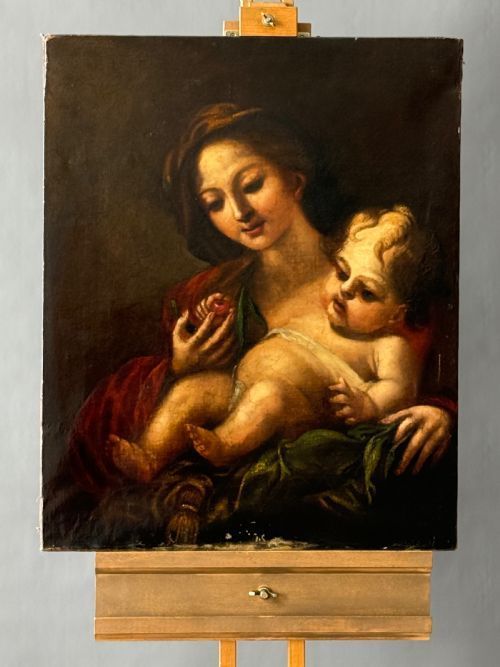
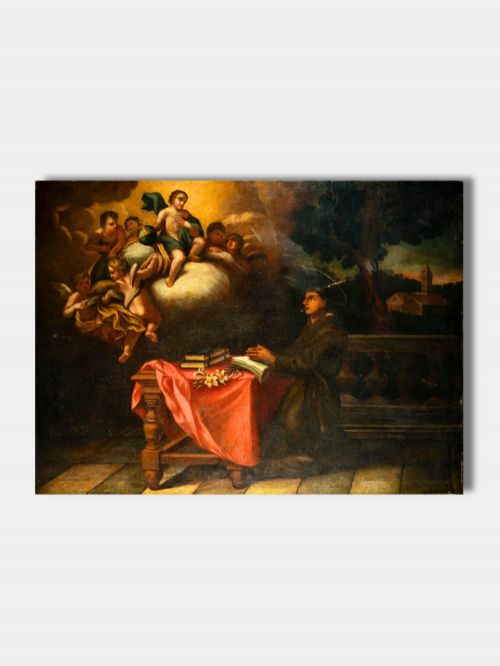
A christian fine art painting brings centuries of devotion, iconography and narrative onto canvas or panel, offering a window into historical religious thought.
Christian Fine Art Painting
A christian fine art painting draws the eye with sacred subjects, devotional figures and monumental Biblical narratives spanning multiple centuries. Buyers searching for a christian fine art painting will encounter works ranging from Italian Baroque compositions and Spanish school canvases to Victorian interpretations and 18th century devotional pieces.
The selections available here showcase distinct regional schools and stylistic periods, including 17th century Veronese works, 18th century Italian and classical pieces, and 19th century realism. Formats vary from oil on canvas to oil on panel, frequently housed in period giltwood frames.
Materials and Techniques
These works rely on oil paint applied to prepared canvas, linen canvas, or wooden panels, allowing for rich layering and deep tonal control. Artists utilised traditional pigments combined with oil binders to build luminous religious scenes and portraits.
Many of these historical works are framed in wood featuring leaf gilding and intricate gesso work, creating a complete object where the frame is integral to the presentation.
Christian Fine Art Painting Retail Price Guide 2026
Typical asking prices for christian fine art painting among the pieces listed under this phrase on Sellingantiques today, from the lower quarter to the upper quarter. They describe what is for sale here now, not the wider market.
Listings feature works spanning the 17th, 18th, and 19th centuries, utilising oil paint on canvas, linen, and wood panel.
Factors That Distinguish Quality
Quality in a christian fine art painting rests upon the confidence of the brushwork, the handling of light and shadow, and the anatomical precision of the figures. Stronger examples display expressive draftsmanship and a coherent compositional balance that elevates the narrative.
The survival of the original surface, the stability of the paint layer, and the craftsmanship of the accompanying period giltwood frame contribute significantly to the standing of any given piece.
Christian Lindner·Raffaello Sanzio·Frederick Christian Lund·Reynard Le Vieux
The Christian Fine Art Painting Glossary
- Oil on Canvas
- Pigments suspended in a drying oil medium applied to a stretched woven fabric support. This combination provides flexibility and allows for nuanced blending of tones.
- Giltwood Frame
- A wooden moulding coated with a thin layer of gold leaf over a prepared gesso base. These frames enhance the visual weight of devotional works.
- Baroque
- A stylistic period spanning the 17th and 18th centuries characterised by dramatic movement, intense contrast between light and dark, and deep emotional resonance.
- Panel Painting
- A flat piece of wood used as a rigid support for oil or tempera pigments. Wooden panels were standard before canvas became the dominant support.
Christian Fine Art Painting: Frequently Asked Questions
What periods do these paintings cover?
The available selection spans from the early 17th century through the 18th century and into the Victorian era of the 19th century. These eras encompass distinct regional movements such as Italian Baroque and Spanish school painting.
Each period brings its own approach to sacred narrative, shifting from dramatic chiaroscuro towards refined classical compositions and later devotional realism.
What surfaces were used for these artworks?
Artists painted on various supports, with oil on canvas and linen canvas being the most common methods for larger works. Wooden panels also appear in certain 18th century examples.
The choice of support often relates to the period and the regional workshop traditions of the artist.
How should I display a framed religious painting?
These works are typically housed in period giltwood frames that complement the religious subject matter. Hanging them away from direct sunlight and fluctuating humidity protects both the canvas and the gilded wood.
Adequate wall spacing allows the monumental scale and fine detail of the narrative to command the room properly.
How do I distinguish between different regional schools?
Regional styles are identified through brushwork, palette choices, and compositional staging. Spanish and Italian Baroque works often employ intense dramatic lighting and emotional depth, while Central European or later Victorian pieces display different approaches to narrative clarity.
Examining the treatment of figures and drapery reveals the stylistic hallmarks of specific European traditions.