



Chippendale Vanity Table
These chippendale vanity table pieces are refined mahogany forms for the dressing room, offering period craft and elegance for the home.
Chippendale Vanity Table
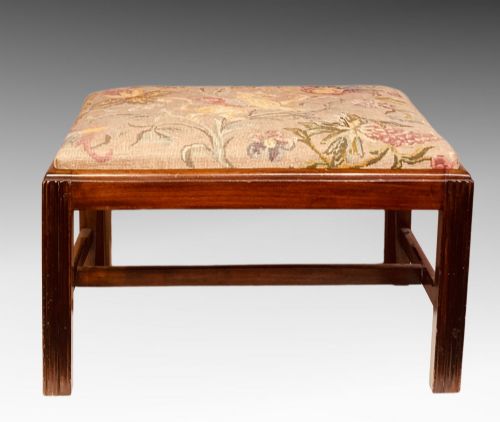
When you search for a chippendale vanity table, you encounter a selection of dressing tables, lowboys, kneehole desks, and matching stools spanning the eighteenth to the twentieth centuries. The listings show a strong presence of mahogany pieces, from Georgian originals to later revival interpretations.
Forms range from compact dressing chests and toilet mirrors to elaborate writing desks and upholstered stools in walnut and mahogany. These items serve traditional dressing and writing functions while anchoring period interior schemes.
Materials and construction
Makers utilised solid timber and veneers, with mahogany as the dominant wood alongside occasional walnut. Brass hardware provides functional detail on drawer pulls and mounts.
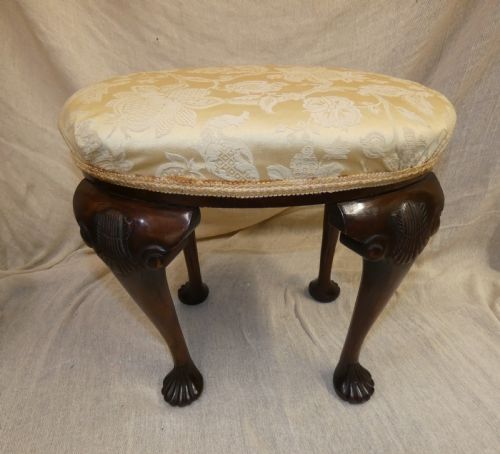
Upholstered elements feature textiles such as damask and fabric pad seats. Carving and inlay work define the stylistic flourishes seen across revival and period examples.
Chippendale Vanity Table Retail Price Guide 2026
Typical asking prices for chippendale vanity table among the pieces listed under this phrase on Sellingantiques today, from the lower quarter to the upper quarter. They describe what is for sale here now, not the wider market.
A well-carved stool hides beneath its cream damask a century of quiet sitting.
Factors of quality
Execution of carved detail and timber selection separate finer examples from simpler workshops. Flame mahogany figuring and the crispness of carved mouldings elevate individual pieces.
Structural integrity, timber ageing, and the preservation of original brasses or upholstery influence overall character. Proportion and balance in the legs and frame define superior forms.
The Chippendale Vanity Table Glossary
- Lowboy
- A small dressing table or side table with drawers, typically raised on four tall legs. This form gained popularity during the Georgian period.
- Kneehole desk
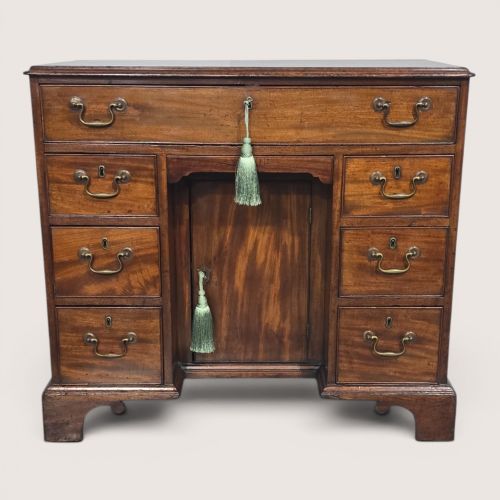
- A writing desk or dressing table featuring a recessed central cupboard flanked by pedestals of drawers. It provides comfortable legroom while seated.
- Toilet mirror
- A small adjustable mirror mounted on a miniature chest or frame, designed to sit atop a dressing table or chest.
- Damask
- A reversible figured fabric traditionally utilised for upholstery and hangings. It adds texture to period stools and seating.
Chippendale Vanity Table: Frequently Asked Questions
What is a lowboy used for?
A lowboy functions as a compact dressing table or side table with convenient drawer storage. It fits neatly into smaller dressing rooms or hallways.
Historically, these tables held grooming items and small personal valuables. Today they serve practical surface roles in various rooms.
How do I identify a revival piece?
Revival pieces date from later periods such as the Edwardian era or the early twentieth century. They imitate earlier eighteenth-century designs.
Examination of timber finish, tool marks, and construction methods helps distinguish original period items from later interpretations.
What wood was most commonly used?
Mahogany is the primary timber seen across these listings, prized for its strength and rich grain. Walnut also appears in select pieces.
Cabinetmakers utilised these hardwoods to achieve crisp carving and durable frame structures.
How do I care for mahogany surfaces?
Regular dusting with a soft dry cloth protects the polished wood finish from abrasive particles. Direct sunlight and excessive moisture should be avoided.
Applying quality wax occasionally helps maintain the natural lustre of the timber over time.