
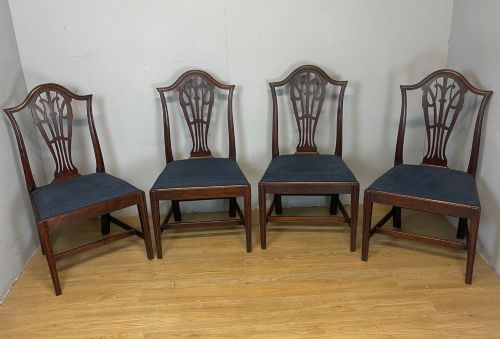
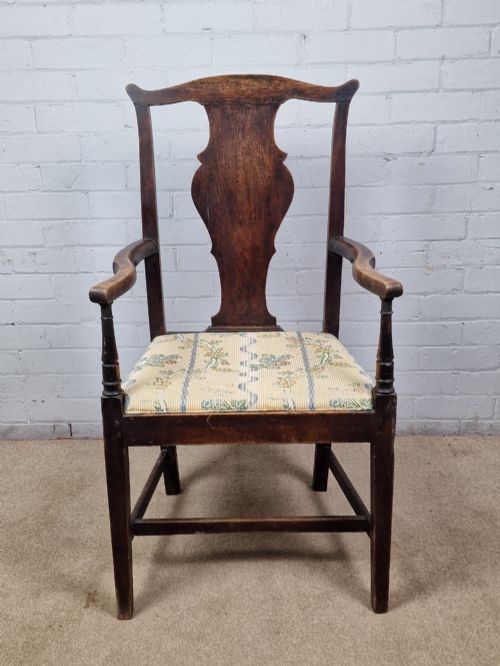
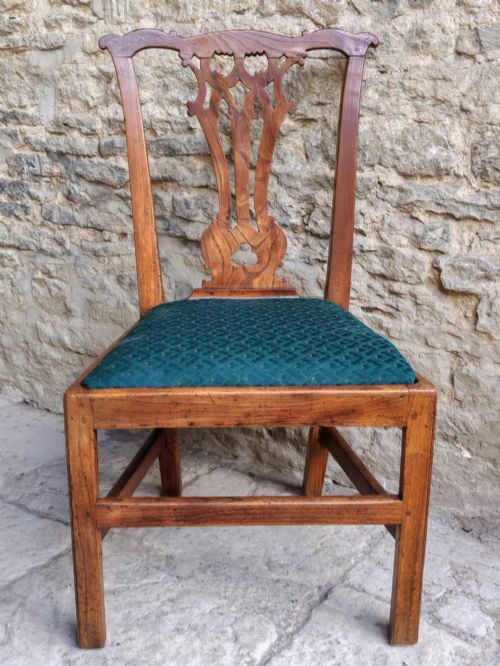
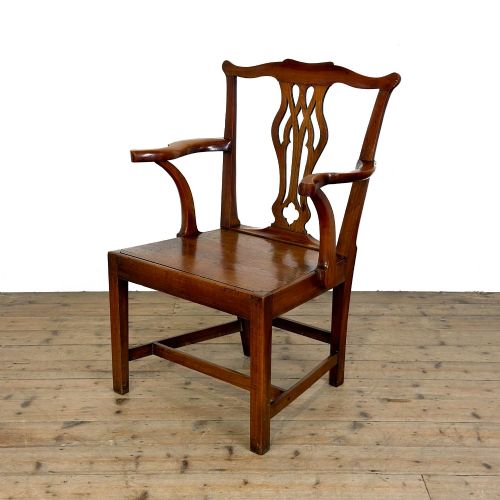





Chippendale Style Country Chair
These chippendale style country chair examples unite urban pattern books with robust regional cabinet-making, offering lasting character for daily seating.
Chippendale Style Country Chair
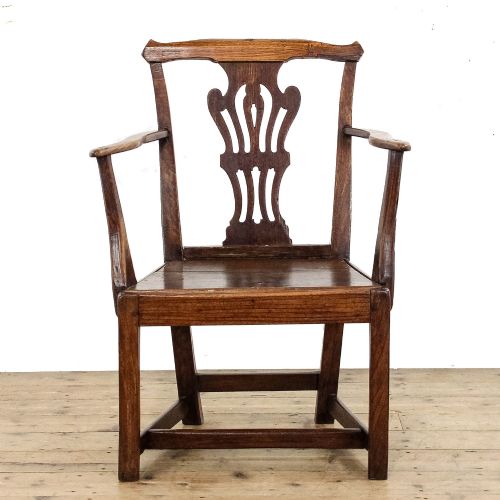
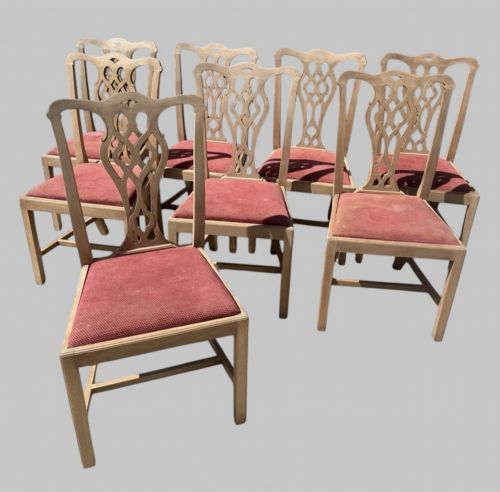
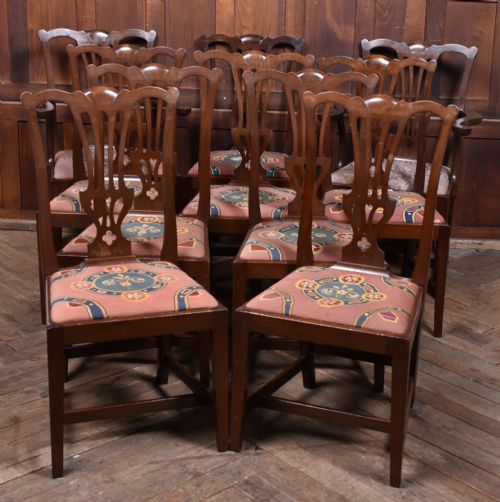
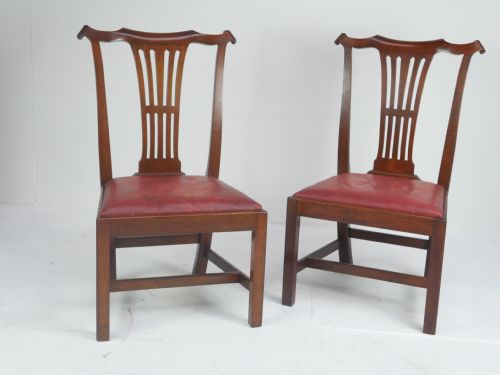
A chippendale style country chair adapts fashionable mid-eighteenth-century metropolitan designs for rural workshops. You will encounter side chairs, armchairs, and carvers shaped by regional makers using local timber stocks.
The material evidence spans Georgian and later periods, capturing both eighteenth-century originals and subsequent revivals. Makers of these pieces borrowed the distinctive interlaced splat and sturdy proportions of metropolitan furniture.
Rural interpretations frequently favour native hardwoods like oak, elm, fruitwood, and mahogany over the dense imported timbers of London workshops. These seating forms served dining rooms, halls, and libraries in country houses and farmhouses alike.
Judging the range
Quality rests in the harmony between metropolitan design inspiration and honest regional execution. The best examples display confident proportions, crisp carving on the top rail, and well-chosen timber grain.
Heavier framing, coarser joinery, or mismatched replacement parts separate everyday vernacular pieces from finer examples. Original surface patination and untouched structural timber elevate individual chairs significantly.
Some elm chairs retain generations of pocket-knife initials carved neatly beneath the seat rails by anonymous past occupants.
Wheelers of Arncroach
The Chippendale Style Country Chair Glossary
- Carver
- An armchair, typically designed to sit at the head of a dining table or serve as an occasional seat. These chairs often feature open arms and wider proportions than standard side chairs.
- Splatted back
- A central vertical wooden slat within the backrest that provides lumbar support and decoration. In this group, these splats commonly adopt the pierced ribbon or interlaced patterns associated with Thomas Chippendale.
- Vernacular
- A style of making rooted in local traditions and materials rather than metropolitan fashion. Vernacular furniture adapts high-style designs to suit the skills of regional joiners and available local woods.
- Harlequin set
- A collection of dining chairs that match closely in style, period, or material but were not originally made as a single unified set. Such sets often share regional traits and chair forms.
- Drop-in seat
- A removable wooden frame upholstered in leather, fabric, or textile that drops into a rebate within the chair seat rails. This construction allowed for straightforward reupholstering over generations of use.
Chippendale Style Country Chair: Frequently Asked Questions
Are these chairs comfortable for daily use?
Most examples offer generous proportions and supportive wooden backs that suit everyday dining or reading. Pairing them with upholstered drop-in seats ensures practical comfort.
Their sturdy timber construction handles regular sitting well, provided the joints remain tight and stable.
How do I distinguish eighteenth-century pieces from later revivals?
Examine the timber surfaces for signs of hand-working tool marks, natural wear patterns, and deep patination accumulated over generations. Eighteenth-century examples often display subtle irregularities from regional hand tools.
Later nineteenth-century and Edwardian revivals tend to show more uniform machine processing and different secondary woods inside the frame.
Can I mix these chairs with modern tables?
The warm tones of oak, elm, fruitwood, and mahogany blend easily with contemporary timber or glass dining tables. Their classic silhouettes provide a strong historical contrast in modern interiors.
Mixing individual regional chairs creates an eclectic look while maintaining a cohesive architectural profile.
What is the difference between a side chair and a carver?
Side chairs are built without arms to allow multiple seats to fit compactly around a dining table. They feature slender frames designed primarily for perimeter placement in rooms.
Carvers include open armrests for added support and were traditionally placed at the ends of dining tables or beside fireplaces.