




Chinese Plant Pot
A chinese plant pot brings distinct form and texture into a room, joining glazed ceramics and carved timber with enduring utility.
Chinese Plant Pot
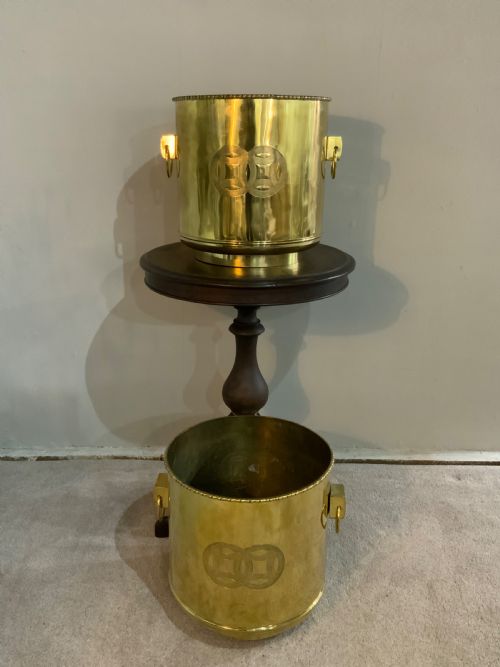
A chinese plant pot encompasses various vessels designed to hold greenery, including jardinières, cachepots, and planters alongside matching stands. These pieces emerge in styles spanning late Qing dynasty production, Chinese export wares, and Chinoiserie adaptations.
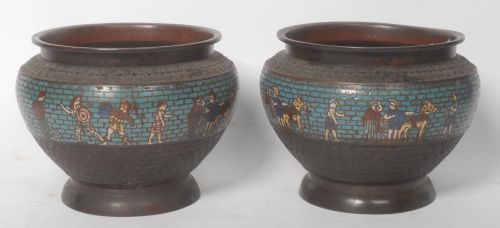
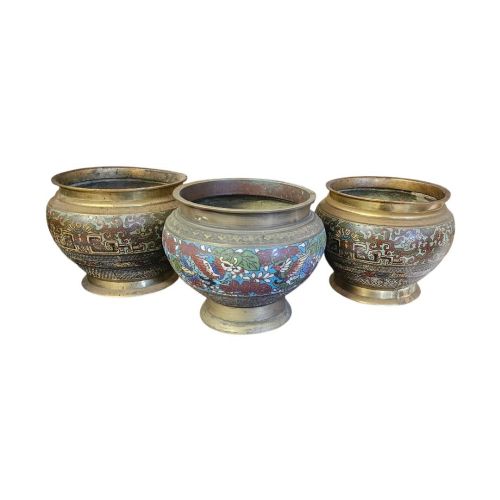
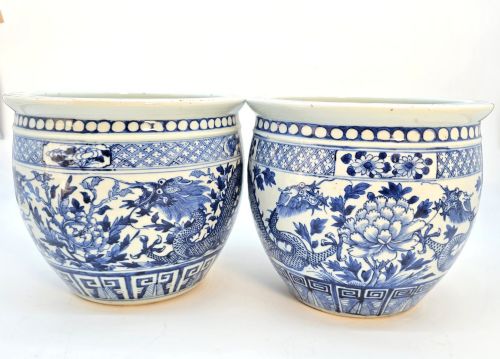
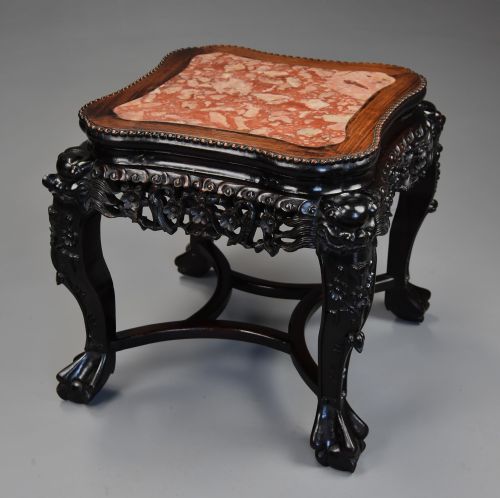
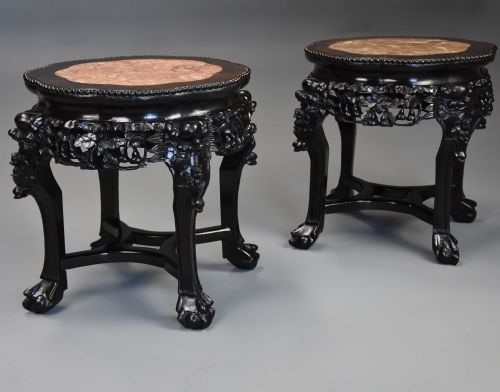
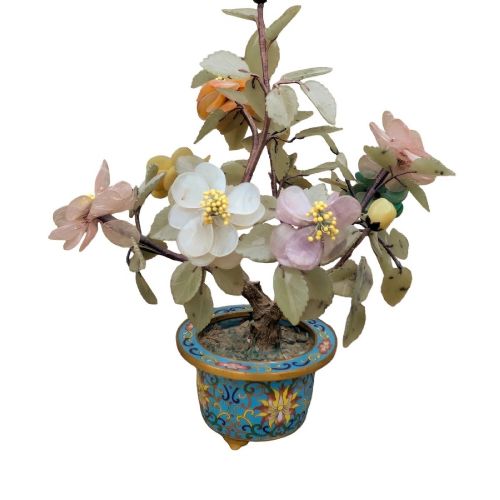
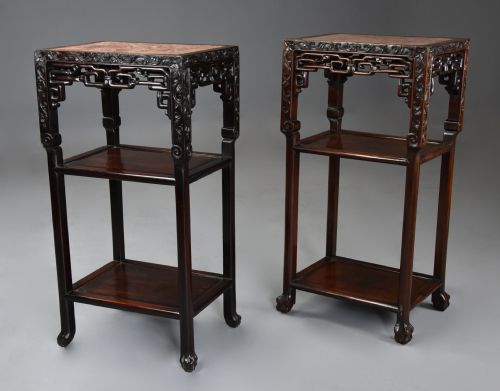
Buyers encounter blue and white porcelain bowls, famille rose hexagonal planters, and bronze champlevé enamel vessels. Supporting these pots are carved hardwood stands featuring inset marble tops.
Originating across the nineteenth and early twentieth centuries, these objects combine functional horticulture with decorative artistry.
Construction and materials
Potters shaped clay into heavy porcelain vessels before applying cobalt blue pigments or famille rose enamels. Metalworkers cast bronze and brass bodies, often adding cloisonné wirework or champlevé enamel cells to hold coloured pastes.
Carpenters carved dense tropical hardwoods to build low tables and pot stands, frequently mortising frames to secure central marble or hardstone panels.
Chinese Plant Pot Retail Price Guide 2026
Typical asking prices for chinese plant pot among the pieces listed under this phrase on Sellingantiques today, from the lower quarter to the upper quarter. They describe what is for sale here now, not the wider market.
The selection includes freestanding jardinières, fish bowls, and bonsai containers paired with carved low tables and vase stands.
Evaluating workmanship
Superior examples display precise hand-carving in timber frames and crisp execution in enamel and porcelain decoration. Heavier bronze castings and well-fitted marble inserts separate finer decorative items from standard utility wares.
The harmony between the planter and its designated hardwood stand indicates original pairing and careful proportion.
The Chinese Plant Pot Glossary
- Jardiniere
- A large ornamental pot or bowl for holding plants or flowers. These vessels sit directly on floors, tables, or dedicated stands.
- Cachepot
- An outer pot used to conceal a plain flowerpot without a drainage hole. This French term describes decorative containers housing interior plants.
- Cloisonne
- Enamelling technique where thin metal strips form raised barriers on a metal base. Artisans fill the resulting compartments with coloured glass paste before firing.
- Champleve
- Enamelling method in which troughs or cells are hollowed out of a metal surface. These depressions receive enamel powder prior to heating and polishing.
- Famille Rose
- A palette of opaque pink and rose enamel colours introduced to Chinese porcelain decoration during the eighteenth century. This style depicts floral and avian motifs.
Chinese Plant Pot: Frequently Asked Questions
What is the difference between a jardiniere and a cachepot?
A jardiniere typically serves as a substantial freestanding or table-top vessel for planting directly or holding large arrangements. A cachepot functions primarily as a decorative outer sleeve to hide a plain growing pot.
Both forms appear frequently in brass, bronze, and ceramic materials across the nineteenth and early twentieth centuries.
How do I care for antique hardwood pot stands?
Maintain hardwood stands by dusting with a dry cloth and applying natural wax sparingly to nourish the grain. Protect the timber and inset marble surfaces from excess moisture by using impermeable saucers beneath wet pots.
Regular polishing preserves the deep lustre of Qing dynasty and Victorian export furniture.
Can these planters hold live plants safely?
Many historic porcelain and bronze vessels lack drainage holes, making them suitable as outer cachepots rather than direct planting containers. Placing a smaller plastic pot with a saucer inside prevents water damage to antique surfaces.
Inspect the interior glaze or metal lining before introducing soil and water.
How are periods distinguished in these pieces?
Late nineteenth-century and Qing dynasty pieces often feature heavier bronze casting, hand-carved hardwood frames, and traditional cobalt blue or famille rose motifs. Early twentieth-century items may incorporate export marks or distinct champlevé enamel patterns reflecting changing international tastes.
Material density and tool marks help establish the era of manufacture.