



Chinese Lacquer Chairs
These Chinese lacquer chairs bring striking visual weight to a room, combining traditional forms with deep, glossy surfaces built to endure.
Chinese Lacquer Chairs
When you search for chinese lacquer chairs, you find seating that bridges distant eras and distinct workshops, drawing on centuries of eastern woodworking tradition as well as later British interpretations. The examples on this page span the nineteenth century into the early twentieth century, including Victorian periods and Edwardian reinterpretations alongside pieces rooted in the Qing dynasty.
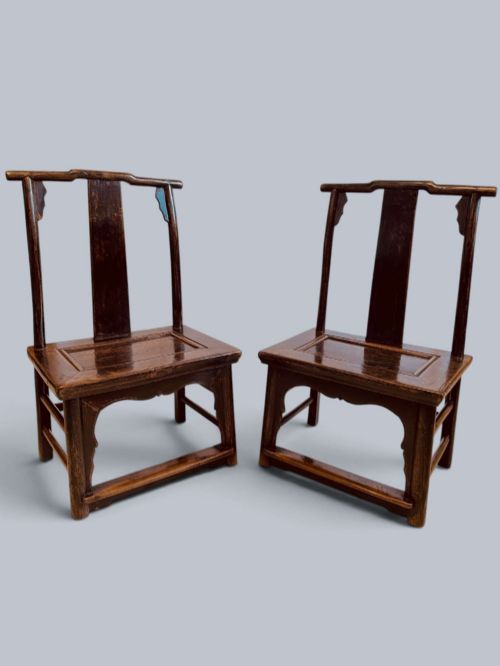
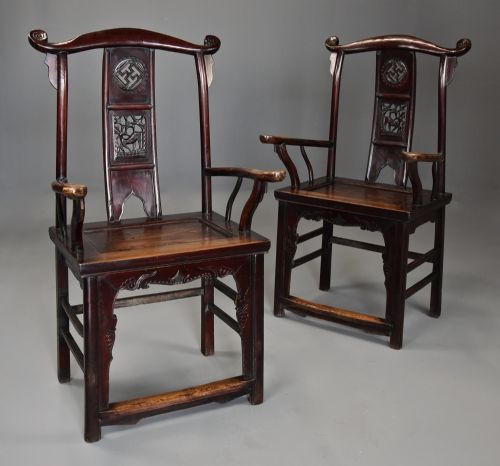
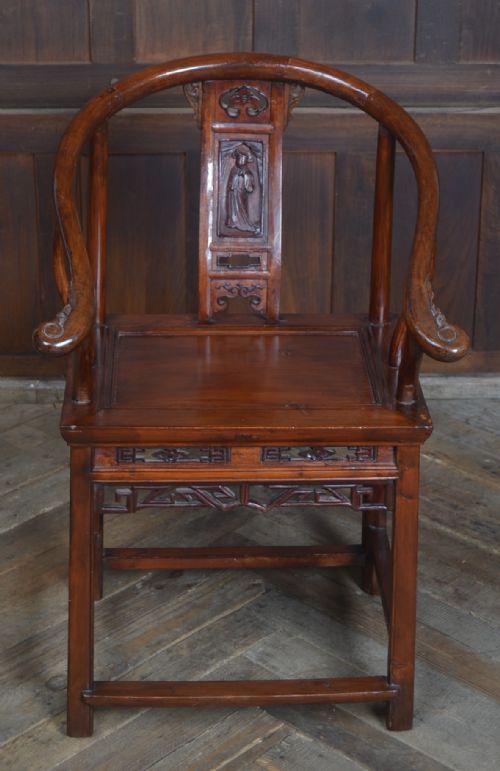
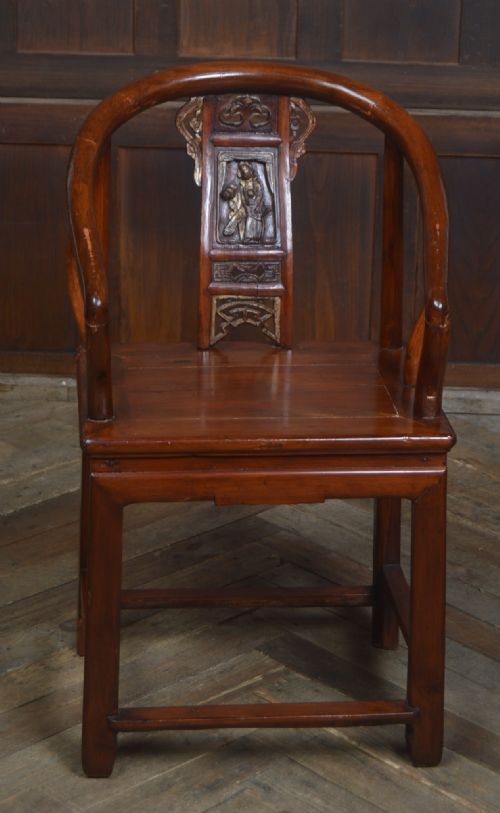
The forms vary across armchairs, side chairs, hall chairs, and benches or settles, often featuring specific regional variations like yokeback armchairs and concubine chairs. Elm and other dense hardwoods form the structural core of many items, providing the physical foundation necessary for heavy layers of lacquer finish.
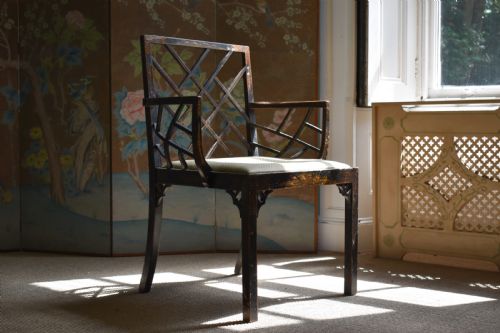
You will encounter both authentic imported items from traditional contexts and domestic British Chinoiserie interpretations such as Cockpen designs. This mix offers a clear view of how eastern aesthetics travelled, adapted, and influenced seating across different decades.
Materials and construction
Makers utilised resilient timbers such as elm and assorted hardwoods to construct frames that could withstand the multi-layered finishing process. These sturdy woods provided a stable base that prevented warping, which is crucial when applying brittle surface coatings.
Lacquered wood, red lacquer, and specialised finishes like cinnabar lacquer formed the decorative and protective skin of the seating. Artisans also integrated canework and textiles into specific panels, balancing solid timber construction with lighter woven elements.
Chinese Lacquer Chairs Retail Price Guide 2026
Typical asking prices for chinese lacquer chairs among the pieces listed under this phrase on Sellingantiques today, from the lower quarter to the upper quarter. They describe what is for sale here now, not the wider market.
Listings feature periods from the Victorian era and 1870 up to Edwardian times, alongside Qing Dynasty influences.
Judging quality and finish
The depth of the patina and the integrity of the original red lacquer or black coatings set the baseline for visual appeal. Surfaces that retain their early finish without heavy modern intervention hold greater historical interest for collectors.
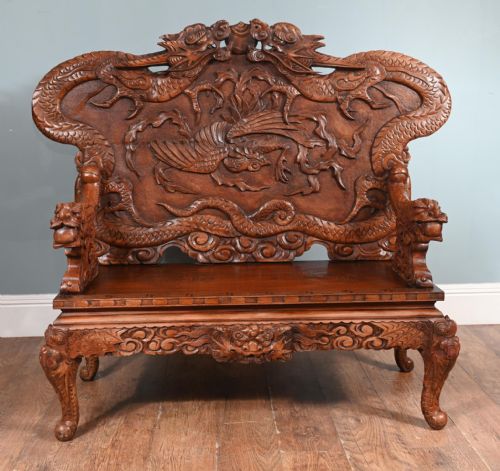
Carved detail, particularly on cinnabar surfaces or dragon benches, reveals the hand of the maker and the patience invested in the relief work. Structural soundness in the joinery of yokeback arms and elbow seats ensures the piece remains usable rather than purely decorative.
The Chinese Lacquer Chairs Glossary
- Lacquer
- A durable resin finish applied in successive thin coats to wood, creating a smooth, glossy, and moisture-resistant surface. It hardens over time and forms the primary aesthetic feature of these seats.
- Yokeback
- A traditional chair design featuring a curved top rail that resembles an ox yoke, extending past the upright posts. This ergonomic shape provides comfortable arm or shoulder support.
- Cinnabar
- A bright scarlet mineral form of mercurial sulphide used to create rich red pigments in traditional carved lacquer work. Artisans carve deep relief patterns directly into thick layers of this hardened material.
- Chinoiserie
- European decorative style reflecting Chinese artistic influences, popular during the Georgian and Victorian eras. It reinterprets eastern motifs through western manufacturing techniques.
- Cane
- Material woven from the outer bark of rattan palms, utilised for flexible and breathable seat panels. It offers a contrasting texture against solid lacquered wood frames.
Chinese Lacquer Chairs: Frequently Asked Questions
How do I care for lacquer furniture?
Keep these pieces away from direct sunlight and dramatic humidity shifts to prevent the lacquer from cracking or lifting off the wood substrate. Dust them gently with a soft, dry cloth without applying modern chemical polishes or abrasive cleaners.
Maintaining a stable indoor climate helps preserve the original patina and prevents the timber beneath from expanding or contracting. Handle the arms and joints with care to protect the delicate surface layers from chipping.
Are these chairs comfortable for daily use?
Many of these items, particularly elm yokeback armchairs and wide benches, were designed for upright posture rather than deep lounging. The addition of cane panels or elbow seats provides some flexibility, though their primary purpose historically combined status with utility.
Depending on the specific form, such as concubine chairs or side chairs, padding or cushions may be added to suit modern living standards. Assess the physical rigidity of the frame before committing a piece to heavy everyday seating.
How do I identify the age of the lacquer?
Older lacquer develops a characteristic network of fine hairline crazing and a softer, warmer lustre from decades of handling. Examining the wear patterns around the armrests and edges reveals the natural ageing of the layered resin.
Inspect the joinery and timber underneath the finish to correlate the wood's condition with the attributed period, such as Victorian or late nineteenth century. Original surfaces show consistent integration with the underlying construction rather than a uniform factory spray.