




Chinese Imari Ceramic
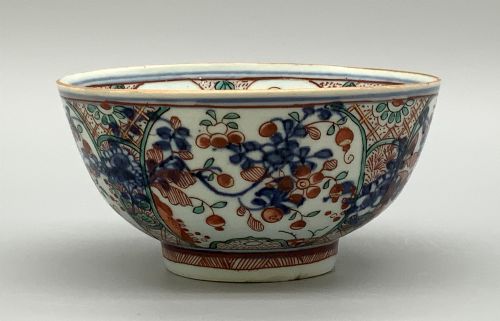
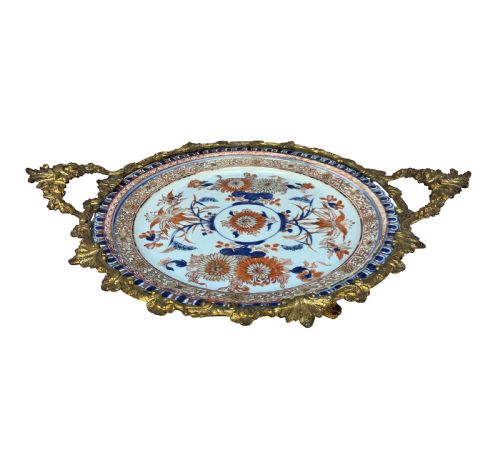
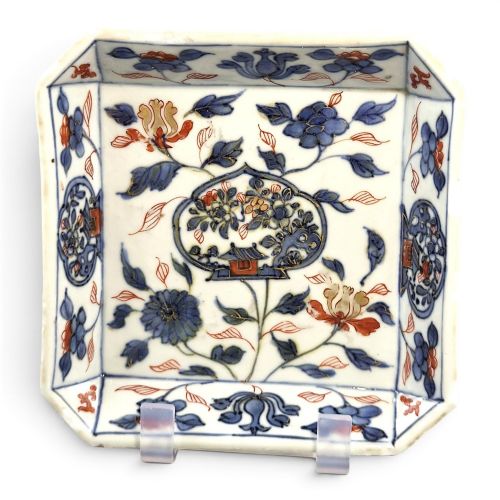
These Chinese imari ceramic pieces bring together rich underglaze blue and vibrant iron-red enamel with gilt highlights.
Chinese Imari Ceramic
When you search for chinese imari ceramic, you find historic wares that bridge Eastern production and Western taste. These items range from decorative plates and bowls to jardinieres and mugs.
The objects on this page primarily date from the eighteenth century, including pieces from the Kangxi period. Forms span simple dishes and chargers alongside items mounted in gilt bronze or ormolu.
Many examples reflect Chinese export traditions created for European markets. You also encounter later pieces from around nineteen hundred alongside earlier forms.
How they were made
Potters shaped these objects from fine porcelain clay before applying cobalt pigment for underglaze blue details. Enamel colours and gold leaf were added in subsequent firings to build up the characteristic palette.
Certain vessels received substantial European metalwork mounts including ormolu and gilt bronze. These mounts were fitted to transform bowls and plates into decorative objects for period interiors.
Chinese Imari Ceramic Retail Price Guide 2026
Typical asking prices for chinese imari ceramic among the pieces listed under this phrase on Sellingantiques today, from the lower quarter to the upper quarter. They describe what is for sale here now, not the wider market.
Some eighteenth-century tea drinkers apparently enjoyed their brew from vessels bold enough to blind a dragon.
What varies in quality
The crispness of the cobalt pigment and the adherence of the enamel and gold leaf dictate visual impact. Stronger pieces display precise hand-painted motifs with minimal blurring in the glaze.
The integration of metal mounts, where present, separates standard domestic wares from grander decorative commissions. Quality is also found in the balance of the porcelain body and the refinement of the potting.
The Chinese Imari Ceramic Glossary
- Imari
- A style of ceramic decoration originating in Japan and later adopted in China, defined by a palette of underglaze blue, iron-red enamel, and gilt highlights. This combination creates a rich, multi-layered visual effect.
- Ormolu
- Finely ground high-carat gold applied to a bronze base, frequently utilised for decorative mounts on eighteenth-century porcelain. It added substantial weight and opulence to table wares.
- Kangxi Period
- The era spanning from sixteen sixty-two to seventeen twenty-two during the Qing dynasty, known for exceptional porcelain production. Pieces from this time often exhibit particularly vibrant cobalt pigment.
- Jardiniere
- A large ornamental pot designed to hold plants or flowers, sometimes produced in porcelain with export decoration. These vessels served as centrepieces in period rooms.
- Chamfered
- Having a sharp edge cut away to form a symmetrical bevel, often seen on the corners of square bowls. This technique softens the geometric profile of the ceramic body.
Chinese Imari Ceramic: Frequently Asked Questions
What is Chinese imari ceramic?
Chinese imari ceramic refers to porcelain made in China for export, decorated in the distinctive palette of cobalt blue, iron-red enamel, and gold.
This style mirrors earlier Japanese wares while employing traditional Chinese potting techniques.
How do I date these pieces?
Dating relies on examining the characteristics of the porcelain body, the depth of the cobalt pigment, and the style of the enamel painting.
Reference periods such as the Kangxi era help anchor the timeline alongside eighteenth-century manufacturing traits.
Why are some pieces mounted in metal?
European owners frequently added ormolu or gilt bronze mounts to enhance the status and decorative appeal of imported porcelain bowls and plates.
These metal additions turned functional vessels into formal ornaments for grand interiors.
Where were these ceramics used?
They were produced primarily in China for export to European markets, where they furnished elite homes and display rooms.
Household uses ranged from serving vessels to purely ornamental chargers and jardinieres.