





Chinese Hardwood Frame
A chinese hardwood frame holds delicate silk, stone, and glass, offering a glimpse into traditional craftsmanship.
Chinese Hardwood Frame
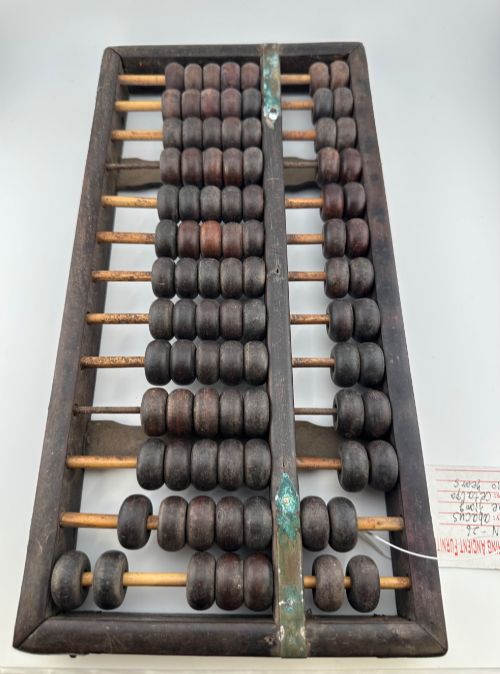
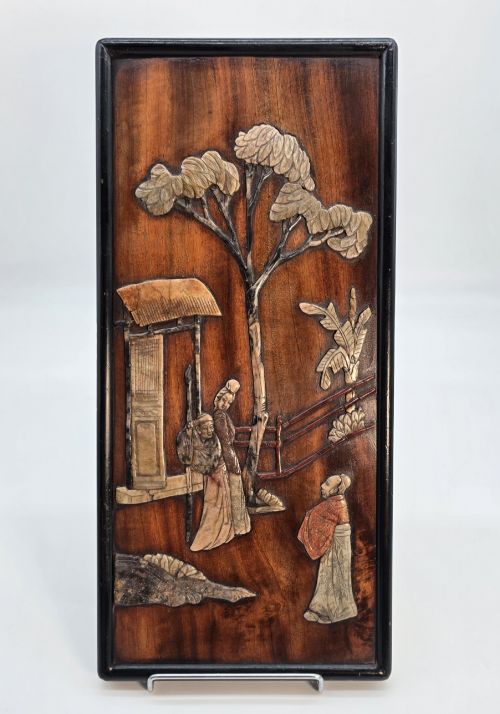
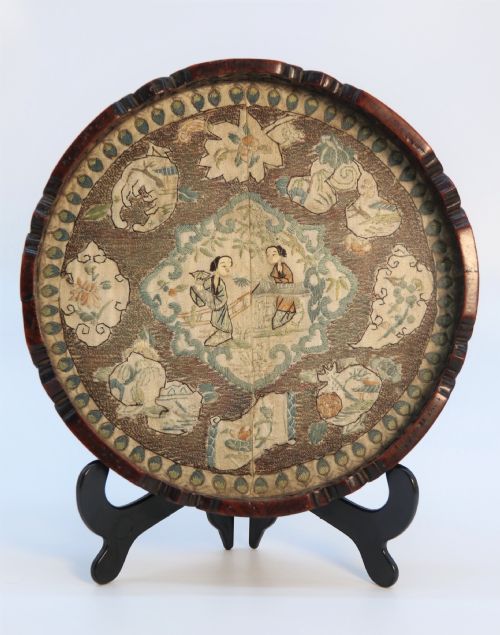
A chinese hardwood frame forms the structural support for various decorative items such as silk embroidered trays and table screens. These pieces originate from periods spanning the nineteenth century through the republic era.
The objects combine sturdy timber construction with intricate inserts, creating functional and decorative items for the home. Hardwood serves as the primary material for framing delicate panels of silk, stone, and reverse glass paintings.
Buyers encountering this category will find a mix of table screens, framed pictures, and trays showcasing traditional Chinese styles. The integration of durable wood with fragile artistic mediums defines the visual character of these items.
How they were made
Artisans utilised dense hardwood to construct sturdy frames and stands capable of supporting heavy inserts. Woodworking techniques involved precise joinery to house panels of porcelain, glass, and soapstone securely.
Makers incorporated decorative elements such as silk embroidery, carved hardstone, and reverse glass painting within the wooden structures. Brass accents occasionally appeared as hinges, mountings, or hanging hardware.
The combination of organic timber with imported or domestic glass and silk demonstrates sophisticated material pairing. Carving and joinery work required skilled labour to balance the weight of the frame with delicate interior art.
Chinese Hardwood Frame Retail Price Guide 2026
Typical asking prices for chinese hardwood frame among the pieces listed under this phrase on Sellingantiques today, from the lower quarter to the upper quarter. They describe what is for sale here now, not the wider market.
Several items include unexpected materials like soapstone and rattan alongside traditional silk embroidery.
What varies in quality
The refinement of the wood carving distinguishes standard production from finer examples. Deep, crisp relief work on the hardwood frame indicates superior craftsmanship compared to shallow or mechanical cutting.
The quality of the interior medium, whether hand-embroidered silk, hand-painted reverse glass, or carved hardstone, dictates the overall artistic merit. Well-preserved textiles and vibrant pigments elevate the piece's visual impact.
The structural integrity of the joinery and the harmonious proportion between the hardwood frame and its insert influence desirability. Superior examples maintain a balanced aesthetic where the timber enhances rather than overpowers the central artwork.
The Chinese Hardwood Frame Glossary
- Hardwood
- Dense timber derived from deciduous trees, utilised for durability and fine carving capabilities in furniture and frames.
- Reverse glass painting
- An artwork created by applying pigment to the back side of a glass panel so the image is viewed through the front. This technique produces a glossy, reflective surface.
- Qing Dynasty
- The final imperial dynasty of China, lasting from sixteen forty-four to nineteen twelve. Pieces from this era often exhibit traditional motifs and styles.
- Table screen
- A decorative panel mounted on a supportive stand, designed for display on a desk or table. These items frequently feature carved stone or embroidered silk.
- Soapstone
- A soft, talc-based metamorphic rock easily carved into intricate figures and plaques. It appears frequently in Chinese decorative arts.
Chinese Hardwood Frame: Frequently Asked Questions
What is a chinese hardwood frame used for?
These frames serve primarily to house and display decorative art objects such as silk embroideries, reverse glass paintings, and carved stone panels.
They function as table screens or wall art, designed to add aesthetic refinement to traditional interiors.
How do I identify the period of a piece?
Dating relies on stylistic markers associated with the Qing Dynasty and the Republic Period, alongside material analysis.
Changes in carving depth, woodworking joinery, and the style of interior painting help establish the approximate era of manufacture.
How should I care for hardwood and silk?
Maintain stable indoor humidity levels and keep the items away from direct sunlight to protect delicate silk embroidery and glass.
Dust the hardwood gently with a dry cloth and avoid harsh chemical cleaners on any part of the object.
What materials are combined with the wood?
Frames frequently incorporate glass, silk, soapstone, and hardstone to create contrasting textures within the wooden structure.
Metal elements like brass appear occasionally for mounts, bells, or structural reinforcement.