


Chinese Glazed Jar
These chinese glazed jar examples span dynasties and centuries, offering heavy stoneware, delicate porcelain and rich cobalt finishes for collectors of historic Asian ceramics.
Chinese Glazed Jar
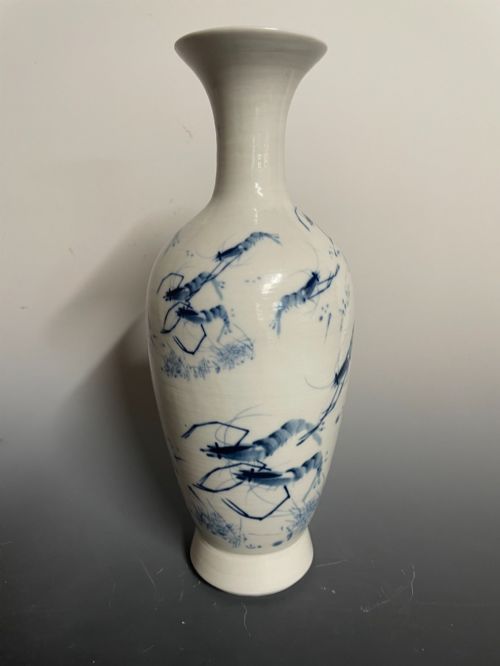
When you search for a chinese glazed jar, you encounter vessels that bridge functional storage and imperial display across multiple eras. The pieces span centuries of production, ranging from early Song dynasty examples to late Qing dynasty table lamps and covered vessels.
You are most likely to meet nineteenth century blue and white or celadon pieces on this page, often adapted into lamps alongside traditional vases and ginger jars. Earlier forms, including Ming dynasty pots and Song dynasty celadon jars with lotus motifs, appear alongside later nineteenth and early twentieth century canisters.
The objects take various forms, from globular vases and tea caddies to monumental decorated vessels and monochrome canisters. Each item reflects the specific ceramic traditions of its period, utilising forms designed for both utility and ornamentation.
Materials and techniques
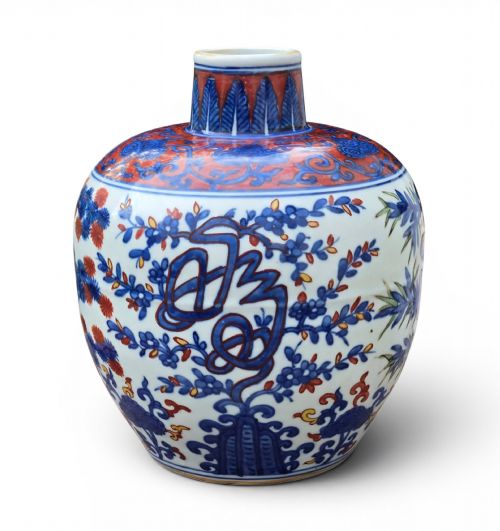
Potters shaped these objects from dense stoneware and refined porcelain, applying mineral pigments before firing at high temperatures. Cobalt glaze, iron-red enamel and celadon treatments define the surfaces, creating the characteristic depth seen across these listings.
Secondary materials such as brass fittings appear on pieces converted into table lamps during later periods, while wooden elements occasionally complement ceramic bodies. The application of crackleware glazes and underglaze blue painting demonstrates complex kiln control mastered over generations.
Current listings feature ceramics spanning from the Song dynasty through to the early twentieth century, incorporating porcelain, stoneware, brass and wood.
Judging quality in historic ceramics
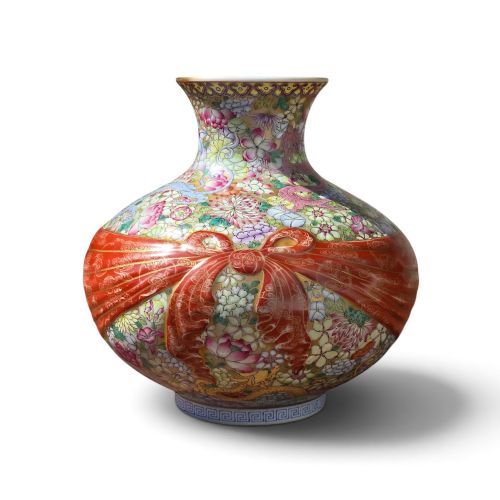
The distinction between ordinary and exceptional examples rests in the precision of the glaze and the crispness of the hand-painted decoration. Finer pieces display controlled pigment application, whether in delicate millefleurs patterns or bold cobalt dragons, without muddy bleeding into the surrounding ceramic body.
The integrity of the form and the subtlety of surface textures, such as an even tea dust or celadon finish, separate standard utilitarian vessels from imperial or high-status commissions. Later adaptations, such as lamp conversions, also depend on how sympathetically the ceramic body was treated during modification.
Mason s
The Chinese Glazed Jar Glossary
- Ginger jar
- A wide-shouldered ceramic vessel with a domed cover, originally used for spices or salt. Later Qing examples frequently display blue and white or famille verte decoration.
- Crackleware
- A ceramic glaze intentionally patterned with a network of fine cracks. This effect results from differential cooling rates between the body and the vitreous coating.
- Monochrome
- A single uniform colour covering the entire ceramic surface. Potters achieve this through precise control of metallic oxides in the kiln atmosphere.
- Underglaze blue
- A cobalt pigment applied directly to the raw clay body before glazing and firing. This technique protects the vibrant blue decoration beneath a clear glossy finish.
Chinese Glazed Jar: Frequently Asked Questions
How do I date a chinese glazed jar?
Dating relies on stylistic markers, glaze composition and historical reign marks inscribed on the base. Comparing the weight of the clay body and the tone of the cobalt helps place pieces within specific dynasties.
Earlier items often show heavier stoneware construction, whereas later nineteenth century pieces frequently utilise crisper porcelain and distinct crackleware finishes.
Are these jars waterproof?
Many historic ceramic vessels remain suitable for holding water, though original storage pieces were often designed for dry goods or liquids like tea and wine. Glazed stoneware and porcelain interiors generally prevent significant seepage.
However, collectors of antique examples usually avoid prolonged contact with moisture to protect fragile surface glazes and historic bases.
Why are some jars mounted as lamps?
Vessels were frequently converted into table lamps during the nineteenth and twentieth centuries to suit contemporary domestic lighting needs. This practice preserved decorative jars by giving them a functional role in the home.
Fittings are typically added without altering the core ceramic structure permanently, though buyers should inspect how any hardware interacts with the original body.