






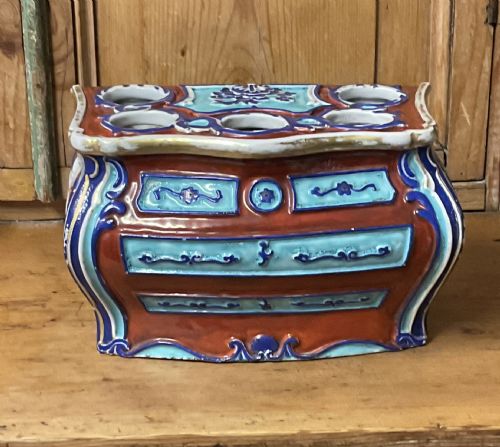

Chinese Flower Pot
A Chinese flower pot brings form and botanical life together, offering glazed porcelain and heavy bronze vessels suited for interior display.
Chinese Flower Pot
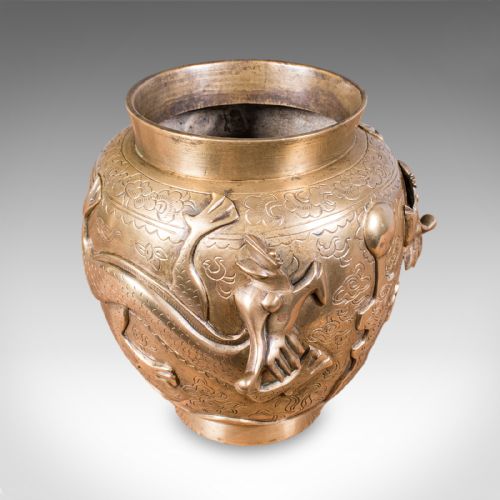
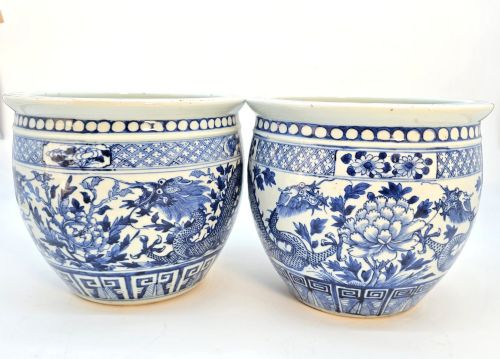
A chinese flower pot typically takes the form of a jardinière, planter, or dedicated pot stand designed to house indoor greenery, bonsai, or floral arrangements. These pieces range from substantial porcelain bowls decorated with birds and flowers to bronze vessels and carved hardwood stands.
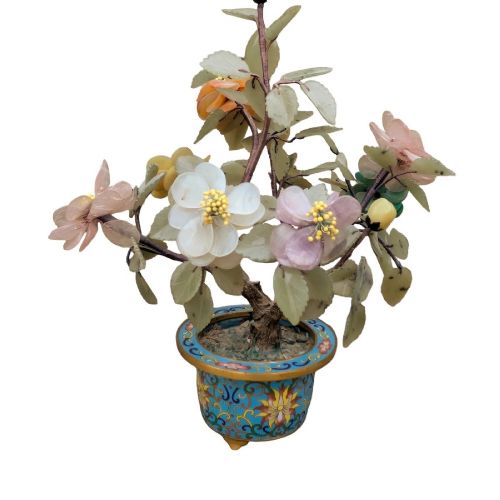
The selections span eras from the eighteenth century to the early twentieth century, incorporating Victorian interpretations alongside Qing dynasty and Chinese export pieces. Buyers encounter hexagonal porcelain planters with drip trays, cloisonné bonsai trees, and low display tables made for holding heavy pots.
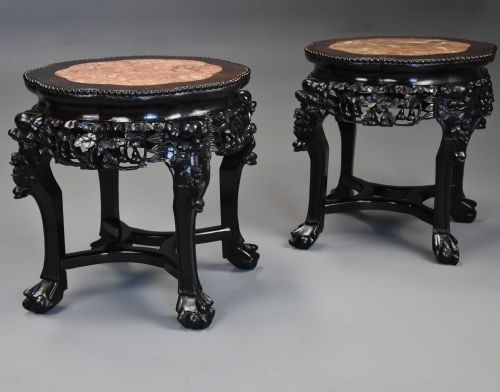
Porcelain examples often feature famille rose palettes or blue and white decoration, while bronze and enamel versions utilise dragon motifs and handles. Hardwood stands provide a stable base, frequently shaped in circular or rectangular forms to support the vessel above.
Materials and construction
Porcelain and pottery vessels rely on high-fired ceramic techniques, often finished with enamel painting, seal marks, or blue and white underglaze decoration. Bronze bowls and urns utilise metalcasting methods, incorporating applied motifs like dragons and intricate surface patination.
Hardwood pot stands employ traditional joinery and detailed carving to create shaped frames, sometimes inset with marble panels. Cloisonné and hardstone items combine metal wire compartments filled with enamel powders alongside carved jade and other stones representing flowering plants.
Chinese Flower Pot Retail Price Guide 2026
Typical asking prices for chinese flower pot among the pieces listed under this phrase on Sellingantiques today, from the lower quarter to the upper quarter. They describe what is for sale here now, not the wider market.
Listings feature items from the eighteenth century to the twentieth century, incorporating porcelain, bronze, hardwood, and jade.
Factors of quality
The refinement of hand-painted detail distinguishes finer porcelain planters, particularly in the precision of polychrome enamel work and cobalt blue painting. Painted birds, peonies, and figures exhibit greater clarity and control on superior examples.
Material density and weight influence bronze bowls and urns, where thick casting and crisp definition of dragon motifs separate robust works from lighter pieces. Hardwood stands demonstrate quality through the depth of carved ornament and the stability of their construction.
The Chinese Flower Pot Glossary
- Jardinière
- An ornamental pot or receptacle used for holding flowers or plants, typically ceramic or metal. These vessels often sit on dedicated tables or directly on the floor.
- Famille Rose
- A palette of opaque enamel colours introduced in Chinese ceramics during the Qing dynasty, featuring predominant pink shades. This style is frequently found on eighteenth and nineteenth-century porcelain planters.
- Cloisonné
- An enamelwork technique where metal wire is soldered to a metal base to form compartments filled with paste and fired. It appears on decorative bonsai trees and vessels.
- Export Porcelain
- Ceramics manufactured in China specifically for the European and Western markets. These objects often blend traditional Chinese forms with motifs suited to foreign tastes.
- Hardwood
- Dense timber such as huanghuali or zitan utilised for carved pot stands and display tables. These stands support heavy ceramic and bronze vessels.
Chinese Flower Pot: Frequently Asked Questions
What is a Chinese flower pot used for?
These vessels serve to house potted plants, cut flowers, or artificial botanical displays like hardstone bonsai trees. They function as decorative focal points for interior spaces.
Larger ceramic and bronze pieces accommodate heavy foliage, while smaller planters and drip trays sit on tables or specialised stands.
How do I identify a Qing dynasty piece?
Examination of the glaze, enamel palette, and any reign or four-character seal marks provides guidance on the production period. Stylistic details such as famille rose decoration indicate specific eras.
Comparison with documented pieces helps distinguish Qing dynasty manufacturing methods from later Victorian Chinoiserie interpretations.
What materials are used in these planters?
The pieces utilise ceramic porcelain, cast bronze, cloisonné enamel, and carved hardstone alongside timber supports. Each material requires distinct care appropriate for its composition.
Porcelain and bronze form the primary vessels, while marble and hardwood are reserved for accompanying stands and display tables.
How should I care for an antique jardiniere?
Gentle dusting with a soft cloth preserves the surface finish of porcelain, enamel, and bronze without causing abrasion. Avoid harsh chemical cleaners that might damage delicate glazes.
When using vessels for live plants, place a liner inside to protect historical ceramic or metal interiors from moisture damage.