





Chinese Elm Altar Table
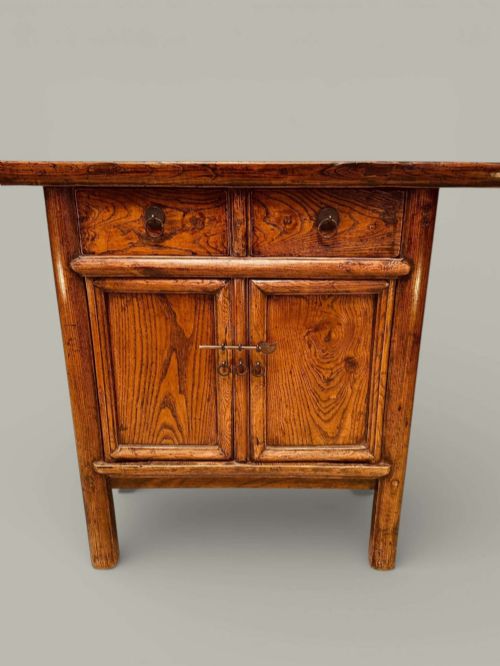
A Chinese elm altar table brings quiet symmetry and rich, aged timber to a hallway or living space.
Chinese Elm Altar Table
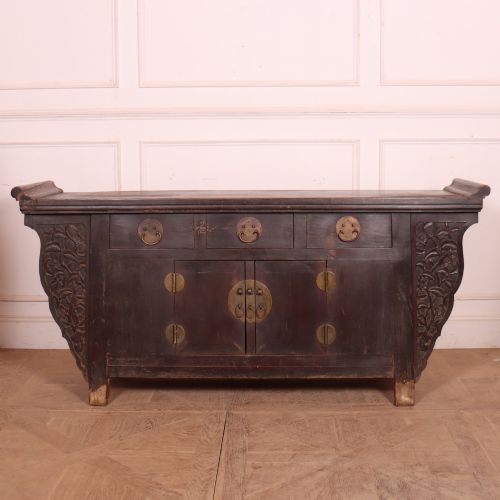
A Chinese elm altar table combines clean architectural lines with the robust grain of traditional timber, often functioning as a console table or low table in modern interiors. These pieces draw on Qing Dynasty influences and regional Chinese provincial traditions, bridging the gap between ceremonial origins and domestic utility.
Most examples found in the current selection date from the 18th century through to the early 20th century, encompassing decades of daily use that have softened their edges. While the search points specifically toward altar tables, buyers regularly encounter related forms such as sideboards, writing desks, benches, and trestle tables sharing the same vocabulary of elm and hardwood construction.
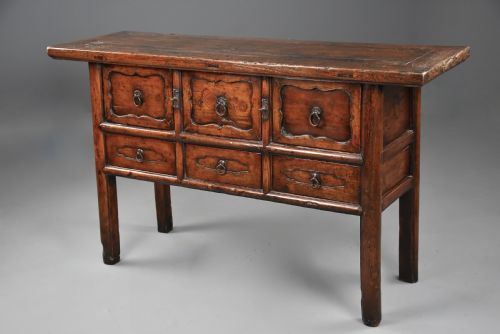
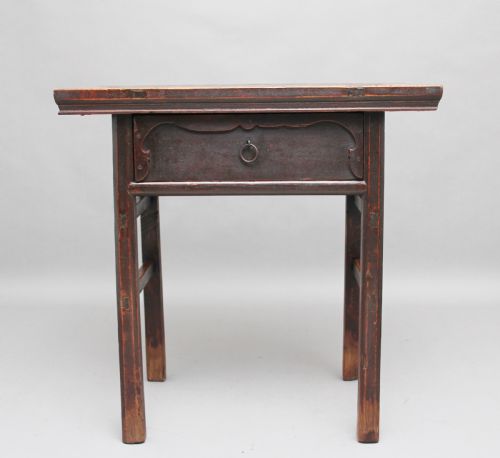
The proportions tend to be linear and purposeful, designed to sit flush against a wall or anchor a narrow space with minimal visual clutter. Planks of elm form the tops, sometimes paired with smaller drawers or carved aprons that reflect local woodworking habits across various Chinese regions.
Materials and Construction
Elm serves as the primary timber, valued for its fibrous, durable grain that responds well to traditional joinery without requiring excessive hardware. Cabinetmakers occasionally utilised auxiliary materials like hardwood, iron, and brass for hinges, braces, or structural reinforcement.
Surface finishes include natural wax revealing the grain, dark patinas built up over generations, and occasional applications of red lacquer. Plank-top construction allows the timber to expand and contract naturally with seasonal humidity changes, a testament to the stability of the original framing.
Chinese Elm Altar Table Retail Price Guide 2026
Typical asking prices for chinese elm altar table among the pieces listed under this phrase on Sellingantiques today, from the lower quarter to the upper quarter. They describe what is for sale here now, not the wider market.
Some elm tables incorporate secret drawers hidden behind carved aprons, designed to keep family documents out of sight.
Distinguishing Quality
The depth of the patina and the integrity of the original timber distinguish finer examples from more ordinary ones. Surfaces that retain their warmth and show the subtle undulations of age carry greater visual weight than those stripped down or heavily refinished.
Proportion and restraint in carving dictate the overall elegance of a piece. Tables where the joinery remains tight and the structural members stay true demonstrate superior workshop execution.
The Chinese Elm Altar Table Glossary
- Elm
- A durable hardwood with a prominent, interlocked grain that resists splitting and takes a deep patina over time. It forms the structural and surface foundation for the majority of these tables.
- Altar table
- A traditional elevated surface historically used for domestic or ceremonial displays, characterised by a long, narrow top and often upturned flange ends. They now serve primarily as architectural console tables.
- Plank-top
- A table surface constructed from solid boards joined edge to edge rather than veneered panels. This method allows for natural timber movement while maintaining a smooth expanse.
- Lacquer
- A durable resin finish applied in multiple layers to seal and protect the timber. Red lacquer variants introduce vibrant colour alongside traditional clear or dark wax treatments.
- Patina
- The lustrous surface sheen developed through decades of handling, polishing, and oxidation. It signals the age and continuous use of the timber.
Chinese Elm Altar Table: Frequently Asked Questions
How do I style a Chinese elm altar table at home?
Place the table against a plain wall in an entryway or living room to let its linear silhouette stand out. Keep decorative objects minimal to highlight the grain of the elm.
Pair the piece with contemporary seating or art to create a deliberate contrast between modern interiors and aged timber.
Were these tables used for actual altars?
Many large or formal examples originated from domestic ancestral halls or temples where they held ceremonial objects. Over time, builders adapted these proportions for general household storage and display.
Today, the narrow footprint makes them ideal as console tables behind sofas or in hallways.
How do I care for antique elm timber?
Maintain the wood by applying a neutral beeswax occasionally to nourish the dry fibres and preserve the patina. Avoid placing the table near direct heat sources or in strong sunlight.
Dust regularly with a soft, dry cloth rather than using liquid polishes that can degrade the historic finish.
How can I tell the difference between 18th and 19th-century tables?
Earlier pieces from the 18th century often display simpler joinery and deeper, more integrated wear patterns developed over centuries of handling. 19th-century examples may incorporate specific regional carvings or brass accents.
Examining the tool marks on the underside helps reveal the hand-working methods particular to each era.