






Chinese Ceramic Art
Chinese ceramic art encompasses centuries of porcelain, pottery, and enamel vessels that bring historic form and colour into a room.
Chinese Ceramic Art
Chinese ceramic art spans utilitarian vessels and decorative objects created across multiple dynasties and modern periods. Pieces include vases, decorative bowls, dishes, snuff bottles, sculptures, and framed porcelain panels.
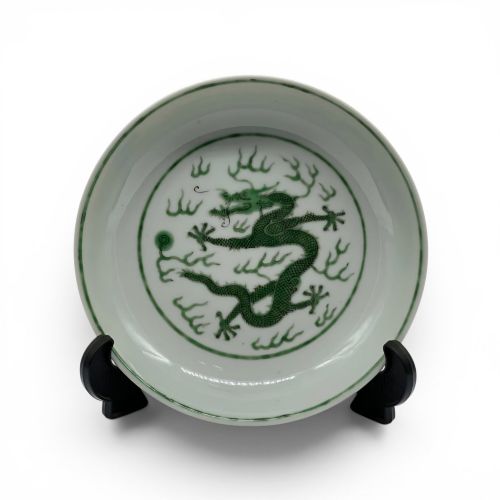
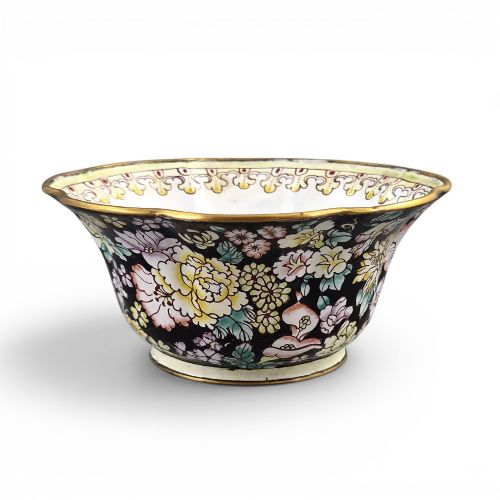
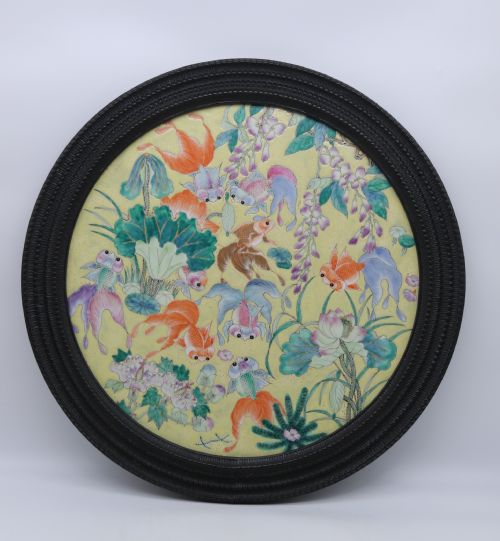
The objects seen here range from ancient grey pottery figures and Ming dynasty punch bowls to Qing dynasty imperial-style porcelain and twentieth-century Republican period plaques. Enamel-on-copper bowls and porcelain panels with hand-painted aquatic scenes also appear.
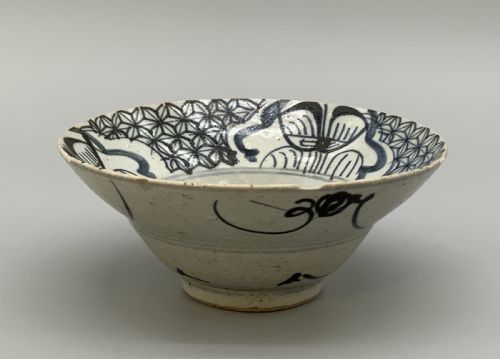
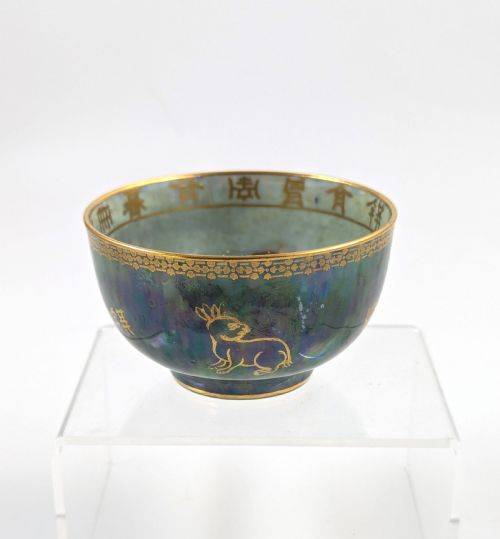
Buyers frequently encounter 19th-century porcelain dishes and Canton enamel pieces alongside earlier Ming and Yuan dynasty celadon and blue and white vessels. Later interpretations, such as Edwardian lustreware influenced by Chinese styles, also populate the selection.
Materials and technique
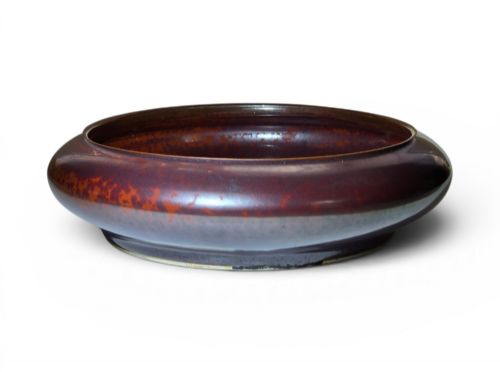
Production relies heavily on porcelain, pottery, and copper substrates finished with coloured glazes, enamel, and gold leaf. Potters utilised iron rust glaze, lustre glaze, and blue and white pigments to achieve varied surface textures and tones.
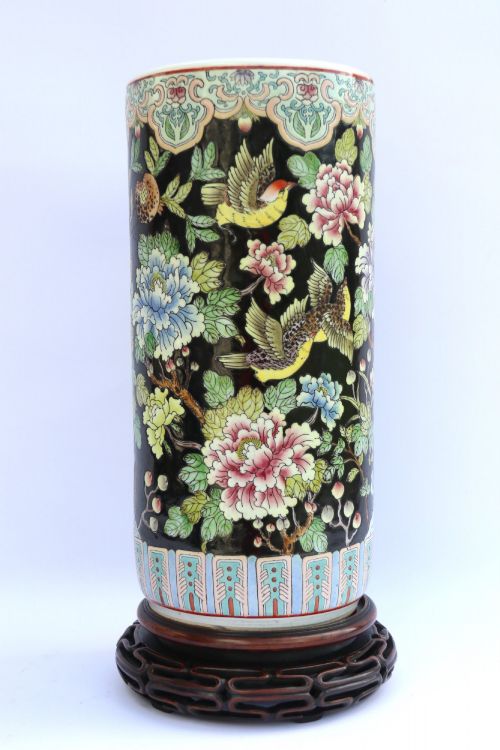
Techniques range from hand-painting and moulded floral scrolls to painted enamels on copper and grey pottery shaping. Hardwood stands frequently accompany larger porcelain vases and bowls as integral display elements.
Chinese Ceramic Art Retail Price Guide 2026
Typical asking prices for chinese ceramic art among the pieces listed under this phrase on Sellingantiques today, from the lower quarter to the upper quarter. They describe what is for sale here now, not the wider market.
Listings feature porcelain, pottery, and copper materials decorated with iron rust glaze, enamel, and gold leaf across multiple centuries.
Evaluating quality
Quality rests upon the precision of the hand-painted details, the depth and stability of the glaze, and the preservation of the original form. Imperial pieces and items bearing specific period marks demonstrate superior refinement in execution.
The clarity of enamel colours, the integrity of the porcelain body, and the presence of original fittings like hardwood stands distinguish finer examples from standard decorative pieces.
Wedgwood·Daisy Makeig-Jones
The Chinese Ceramic Art Glossary
- Celadon
- A term for ceramics featuring a pale green jade-like glaze. This finish originated in ancient kilns and gained prominence on Yuan and Ming dynasty dishes.
- Famille rose
- A palette of opaque enamel colours introduced in the Qing dynasty. It allowed artists to render soft pinks and detailed pictorial scenes.
- Blue and white
- A style of decoration utilising cobalt oxide pigment beneath a clear glaze. It appears on Ming and Qing dynasty vessels.
- Brush washer
- A vessel used in traditional scholarship for cleaning writing brushes. Examples often feature compressed forms and specialised glazes.
- Snuff bottle
- A small container utilised for holding powdered tobacco. These items frequently display intricate painted or carved decoration from the Qing period.
Chinese Ceramic Art: Frequently Asked Questions
How do I date Chinese porcelain?
Dating relies on stylistic markers, potting techniques, glaze characteristics, and reign marks. Comparing the piece to known examples from dynasties like the Ming or Qing clarifies its age.
Changes in cobalt pigments and enamel formulas across centuries provide further clues for proper attribution.
What is an iron rust glaze?
An iron rust glaze is a dark, metallic-looking finish containing high amounts of iron oxide. It creates a mottled, textured surface reminiscent of oxidized metal.
Potters applied this specialised finish to dense ceramic bodies such as brush washers to achieve a restrained aesthetic.
How were framed porcelain panels used?
Framed porcelain panels served as decorative wall art in interior spaces. Artists painted scenic views, figures, or floral arrangements directly onto the flat porcelain surface.
These panels offered a durable alternative to silk scrolls while maintaining traditional pictorial compositions.
What distinguishes Canton enamel pieces?
Canton enamel involves painting polychrome enamels directly onto a copper or bronze base rather than a ceramic body. Production centred on the port city of Guangzhou for export and domestic markets.
These items frequently exhibit bright floral motifs and figurative designs executed in detailed enamel work.