

Children in Art
Children in art capture the likenesses and idealized forms of youth across centuries of painting, sculpture, and decorative objects.
Children in Art
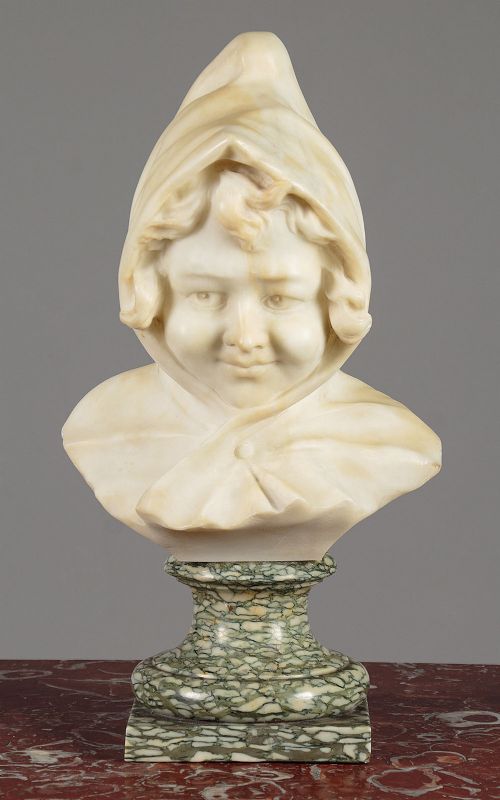
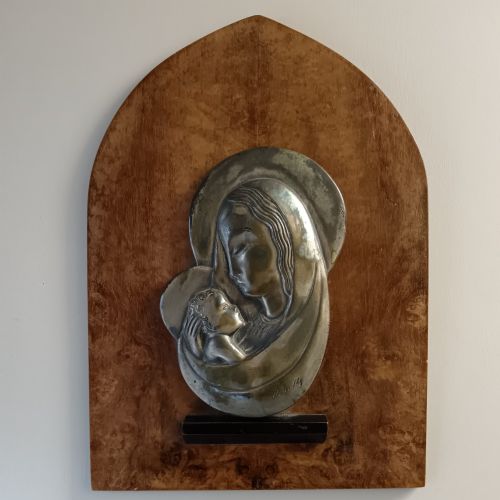
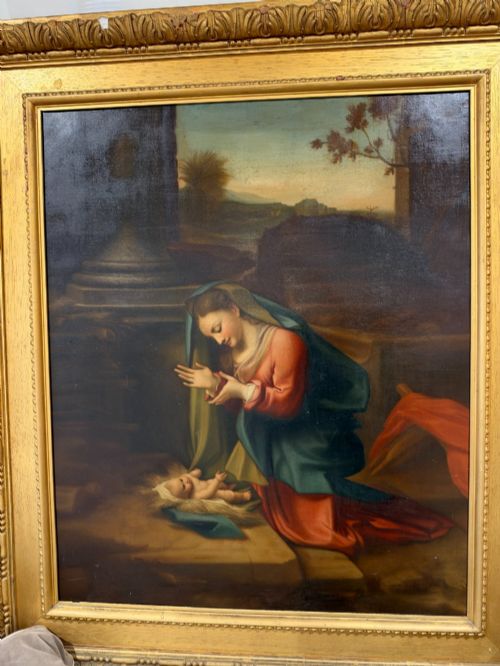
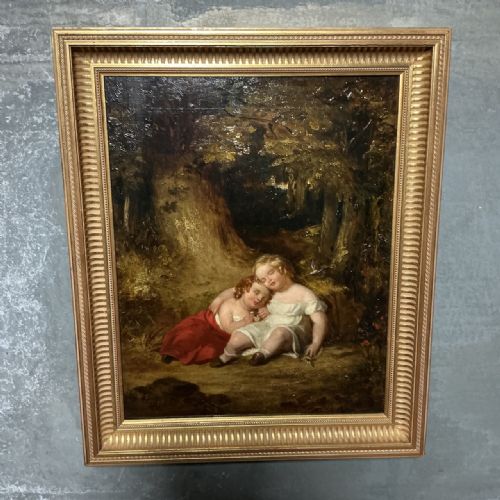
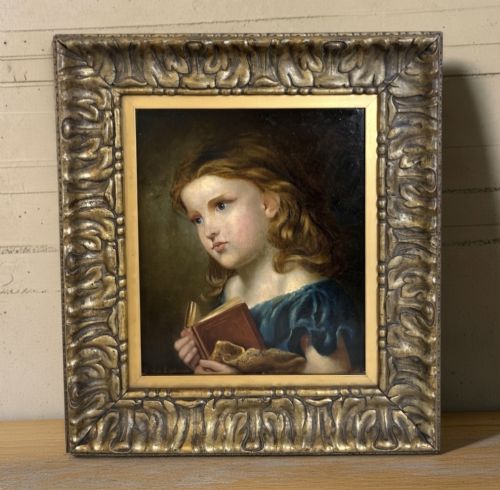
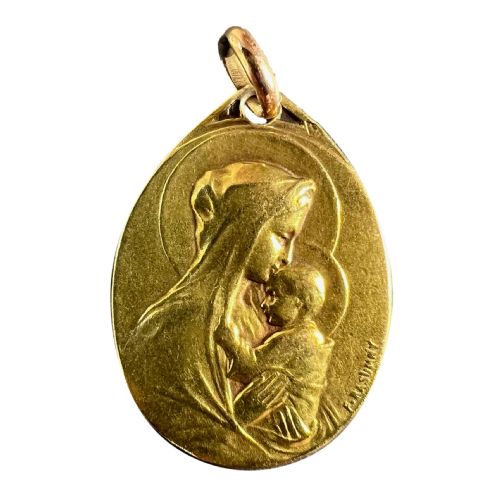
Works gathered under children in art encompass oil paintings, watercolours, prints, sculptures, and small decorative objects representing young subjects. A buyer meets everything from formal 18th-century portraiture and religious depictions of the Madonna and child to 19th-century genre scenes and folk art. The inventory spans periods from the 16th century through the Georgian, Victorian, and Edwardian eras into the mid-20th century.
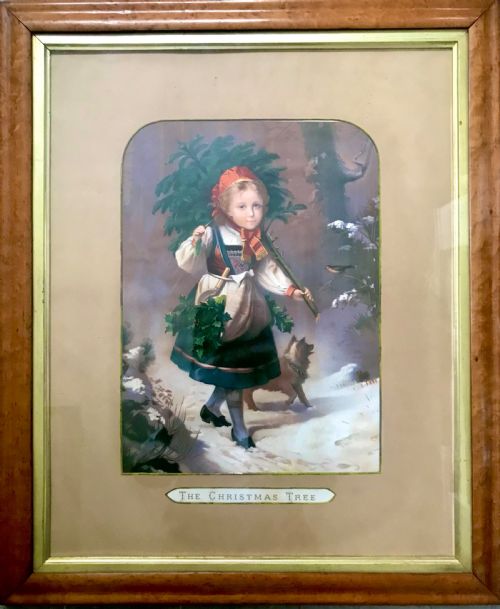
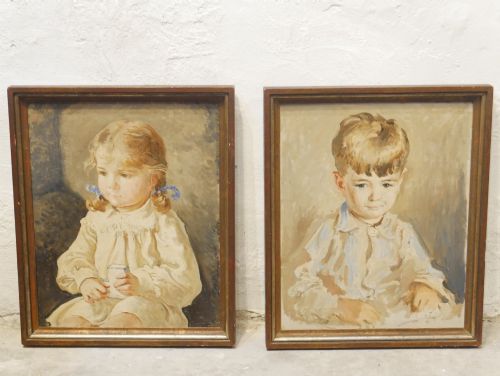
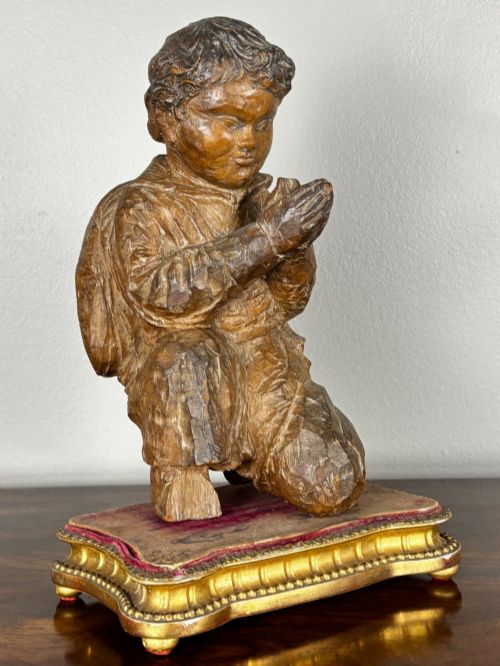
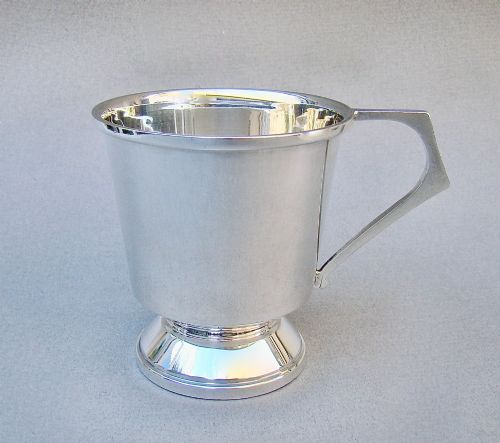
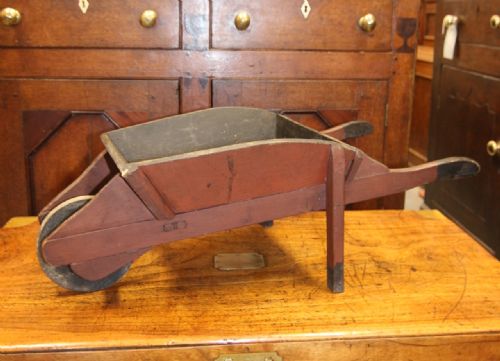
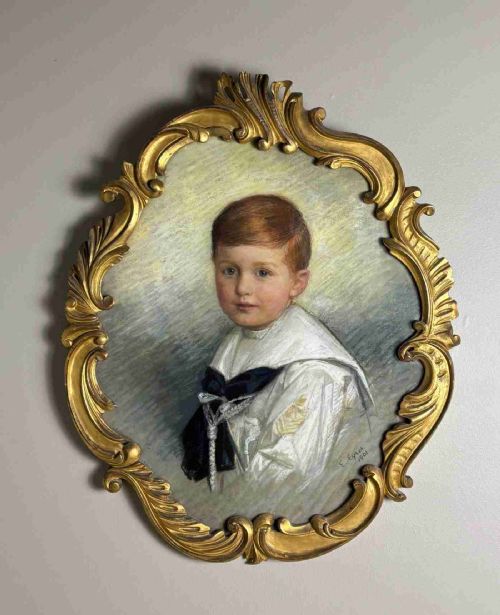
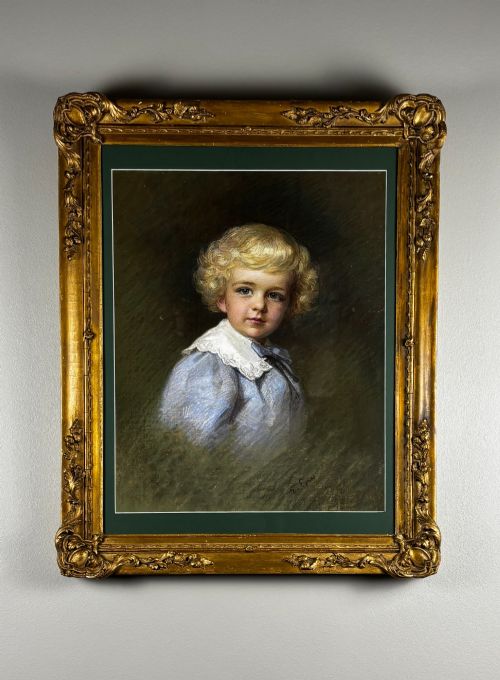
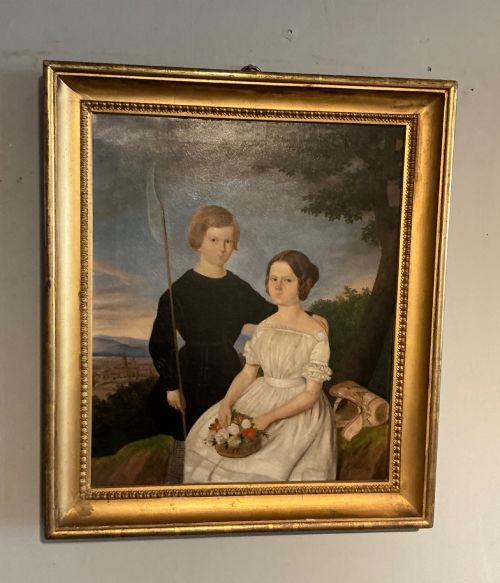
Portraiture forms a significant portion of the selection, showing individual subjects often identified by name, alongside genre paintings depicting children engaged in everyday activities like feeding animals or skating. Religious compositions and mythological interpretations also recur within the older European schools represented in the listings. Decorative items extend to carved wood sculptures, silver boxes, silhouettes, and children's furniture.
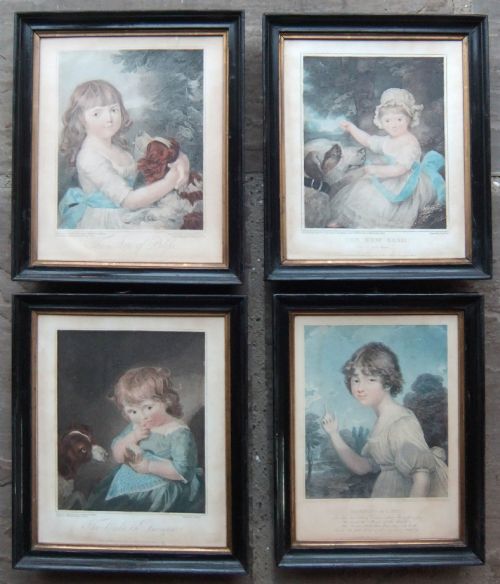
Framed watercolours and oil paintings on canvas dominate the visual record, supplemented by pastel portraits and monochrome mezzotints. The physical materials reflect the period of origin, pairing traditional oil pigments and gold leaf with wood frames and paper supports. Regional diversity shows in British, Italian, Dutch, and Czech pieces.
Materials and Techniques
Oil on canvas and wood panels provide the primary surfaces for historical paintings, utilising layered pigments and glazes to build depth in skin tones and garments. Watercolours and pastels on paper offer a lighter medium for intimate portraiture, often preserved beneath glass in period frames of giltwood or maple. Sculptural works employ carved polychrome wood, cast bronze, and silver, applying surface finishes to highlight facial expressions and drapery.
Many items incorporate handcrafted elements such as hand-carved frames, gold leaf gilding, and detailed silver repoussé work on boxes. Printmaking techniques include mezzotint and advertising lithography, translating original compositions into multiple impressions for broader distribution.
Children in Art Retail Price Guide 2026
Typical asking prices for children in art among the pieces listed under this phrase on Sellingantiques today, from the lower quarter to the upper quarter. They describe what is for sale here now, not the wider market.
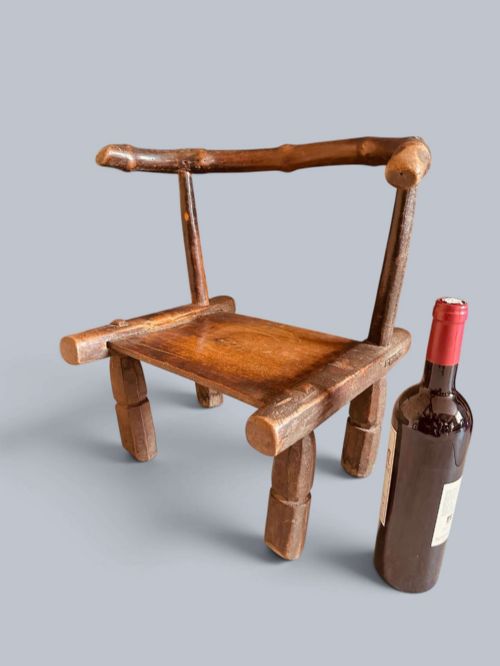
A sturdy 19th-century child's stick-back armchair sits alongside grand oil portraits of aristocrats and saints.
Evaluating Quality
Execution and anatomical proportion separate standard workshop pieces from superior works by accomplished artists. Finer portraits display subtle handling of light, convincing facial expressions, and careful rendering of textiles, whereas naive or folk art examples prioritize simplified forms and direct charm.
The integrity of the original surface, including minimal overpaint on canvases and the preservation of period frames such as giltwood or maple, influences the desirability of a piece. Signed works and items with documented attributions to known painters or sculptors carry distinct provenance over anonymous school pieces.
George F. Bird·Bernardino Luini·Mary Beale·Georges de La Tour·Joshua Reynolds·Vittorio Reggianini·Mark William Langlois·Augustin Edouart·Adelaïde Salles-Wagner·George Augustus Holmes
The Children in Art Glossary
- Genre painting
- A representation of everyday subjects and scenes from contemporary life. These works often show children playing, feeding animals, or engaged in domestic tasks.
- Mezzotint
- A printmaking process of the intaglio family where the plate is roughened to achieve tones and rich darks. It was frequently used for reproducing popular portraits.
- Treen
- Small handmade wooden objects of daily use. The category includes utilitarian items as well as children's rattles and toys.
- Polychrome
- Decorated in a variety of colours. This term frequently describes carved wood religious sculptures.
- Silhouetting
- A profile portrait cut from black paper or painted on a light ground. Augustin Edouart worked extensively in this linear medium.
Children in Art: Frequently Asked Questions
What periods do these pieces span?
The inventory ranges from 16th-century Italian Renaissance and 17th-century European school paintings to Georgian, Victorian, and Edwardian works. Mid-20th-century items also appear among the selections.
Buyers encounter a broad chronological spread that documents shifting artistic approaches to representing youth over five centuries.
How were these artworks originally displayed?
Paintings and prints were typically framed in wood, often enhanced with gold leaf or giltwood, to hang in domestic parlours or galleries. Sculptures and decorative boxes sat on tabletops or mantelpieces.
Many portrait commissions served to record family lineages and decorate private estates.
How do I care for antique oil paintings?
Keep paintings away from direct sunlight, excessive heat, and rapid humidity fluctuations to protect the canvas and pigments. Dust gently with a soft, dry brush without applying pressure to the paint surface.
Avoid using liquid cleaners on old varnish layers.
What distinguishes naive art from formal portraiture?
Formal portraits by academic artists focus on anatomical accuracy, perspective, and sophisticated lighting techniques. Naive and folk art pieces employ flattened perspective and simplified outlines for a direct, unpretentious effect.
Both styles record historical attitudes toward children.