





Children Bronze Art
Children bronze art pieces capture family affection and youthful energy through enduring metalwork, offering timeless character for a collector's display.
Children Bronze Art
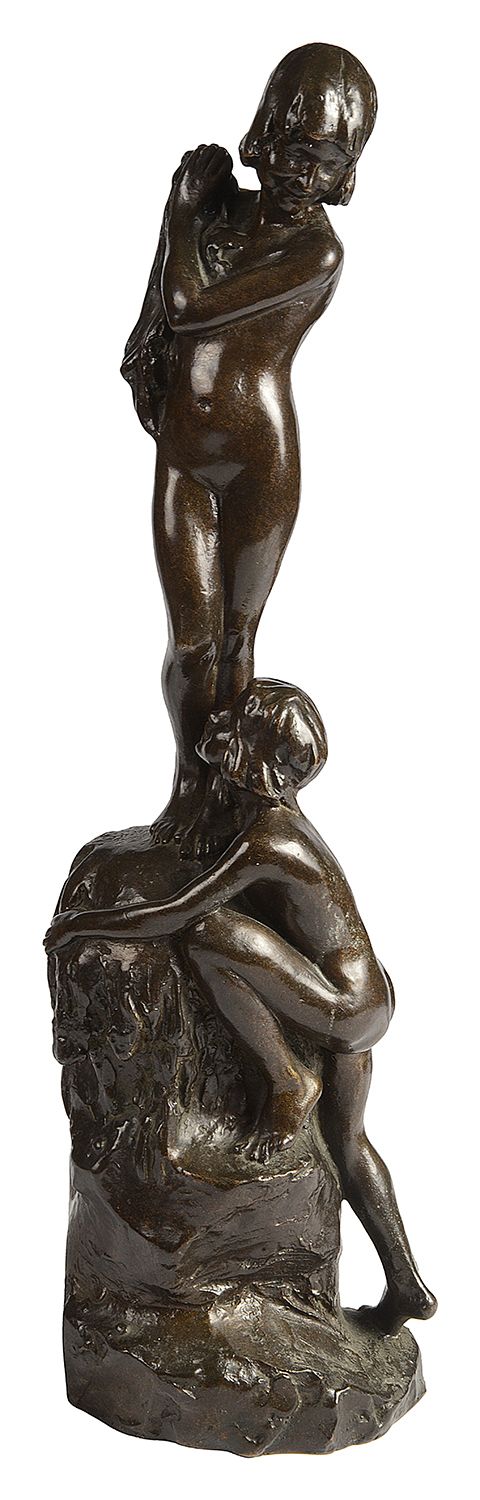
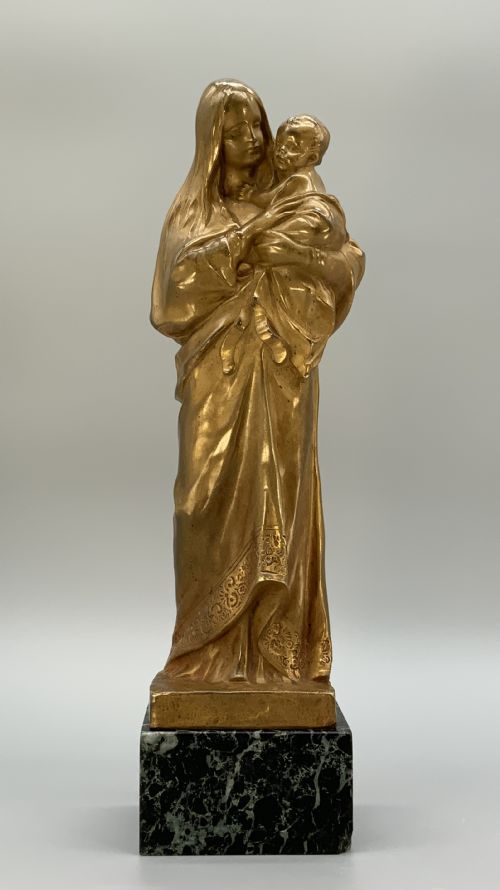
Children bronze art encompasses figural sculptures, wall plaques, and table lamps depicting infants, young girls, boys, and maternal groups. These works range from intimate domestic scenes of children bathing or sleeping to grander allegorical and religious subjects.
The pieces on this page span the Victorian era, the nineteenth century, and the twentieth century, with notable representation from the Art Deco period. You will encounter European workshops alongside tribal and outsider art traditions.
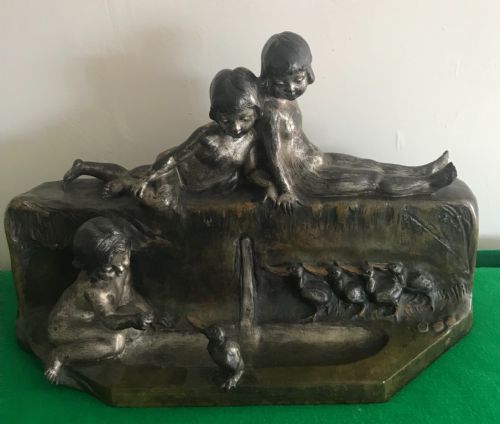
Forms vary from standalone statuary mounted on marble or alabaster bases to functional night lights and decorative plaques. Figures often interact with animals, toys, or family members, reflecting domestic life and sentiment across different decades.
Materials and construction
Foundries utilised traditional casting methods to shape molten bronze, sometimes applying gilt, silvered finishes, or patination to the surface. Alternative base metals such as cast metal and spelter also appear among the twentieth century figures.
Many sculptures incorporate heavy natural stones like marble, onyx, alabaster, or gilt brass as integral bases. These dense plinths provide stability to the metal figures and contrast with the warmth of the bronze.
Children Bronze Art Retail Price Guide 2026
Typical asking prices for children bronze art among the pieces listed under this phrase on Sellingantiques today, from the lower quarter to the upper quarter. They describe what is for sale here now, not the wider market.
The listings show materials including bronze, gilt bronze, silvered bronze, spelter, marble, onyx, and alabaster across multiple decades.
Assessing quality and finish
The finesse of the chiselling and the depth of the surface patination distinguish finer castings from standard production. Artisanal attention to facial expressions, drapery folds, and hair texture elevates a sculpture.
The quality of the mounting stone, whether a substantial piece of polished marble or simpler alabaster, indicates the ambition of the original piece. Heavier, well-fitted bases and signed foundry or artist details denote superior provenance.
Hans Müller·Antonio Merente·P. Sega·H. Chiparus·Alexandre Kelety·Marion Willis Stanfield·Xavier Raphanel·Carrier·Antoine Bofill
The Children Bronze Art Glossary
- Patina
- The surface coloration and sheen developed naturally over time or applied chemically by the foundry. It enhances the contours of the bronze.
- Spelter
- A zinc or lead alloy used as an economical alternative to bronze. It often mimics bronze through applied patination.
- Gilt bronze
- Bronze that has been coated with a thin layer of gold or gold leaf. This technique adds a bright, reflective finish to the metal surface.
- Alabaster
- A fine-grained, translucent stone frequently utilised for sculpture bases. Its pale appearance contrasts with dark patinated metal.
- Art Deco
- A design style dominant in the nineteen-twenties and thirties characterised by streamlined forms. Figures from this era often feature stylised geometry and modern dress.
Children Bronze Art: Frequently Asked Questions
How do I clean bronze sculptures?
Dust the surface regularly with a soft, dry cloth to prevent dirt accumulation.
Avoid using water, chemical polishes, or abrasive cleaners, which can strip the original patina.
What is spelter?
Spelter is a cheaper metal alloy commonly used as a substitute for bronze in decorative figures.
It is softer and lighter than bronze, often identifiable by a different weight and sound.
Are these pieces signed?
Certain sculptures bear artist signatures or foundry marks inscribed directly into the metal or stone base.
Unsigned pieces remain common, particularly among anonymous works and decorative items from the early twentieth century.
How do I identify Art Deco pieces?
Art Deco figures feature distinct modernist styling, geometric lines, and contemporary clothing from the nineteen-twenties and thirties.
They frequently pair patinated bronze with contrasting marble or onyx bases.