

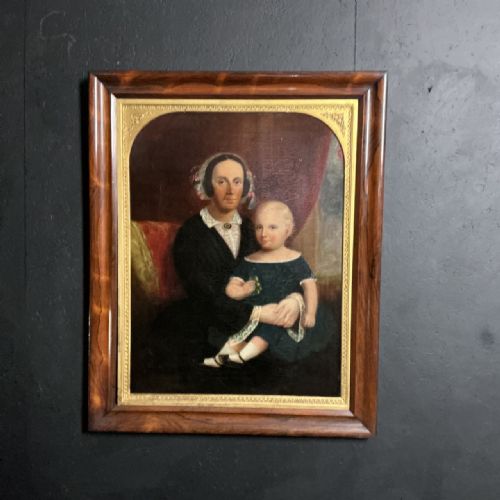
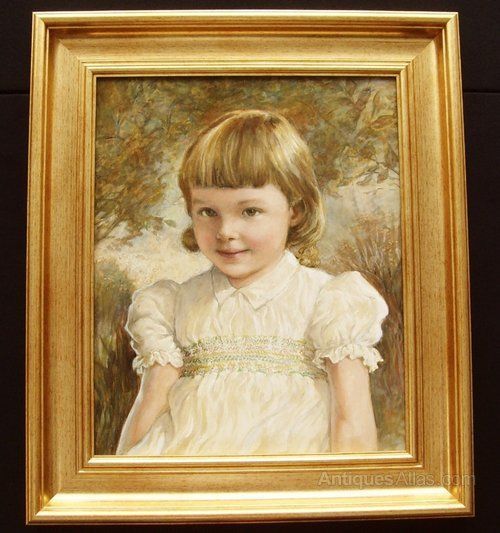
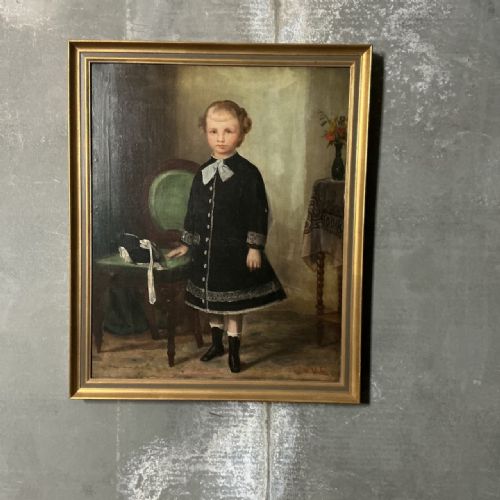
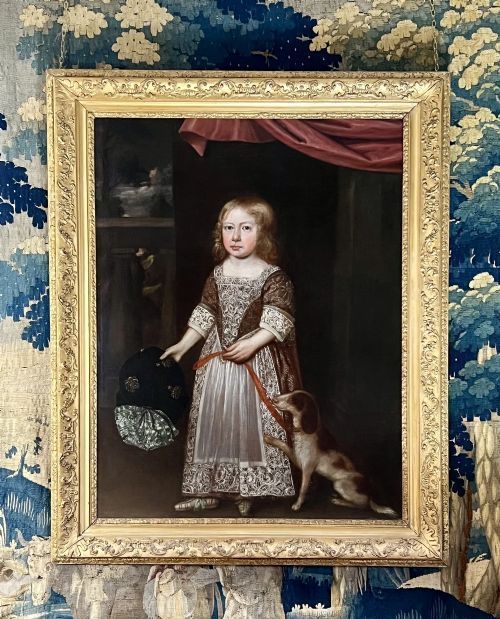
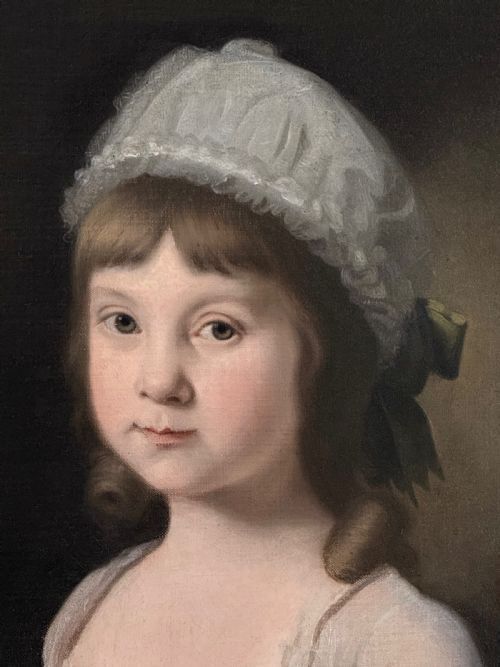
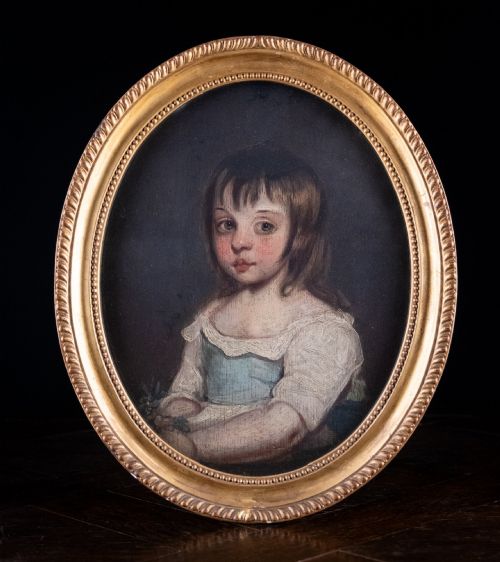
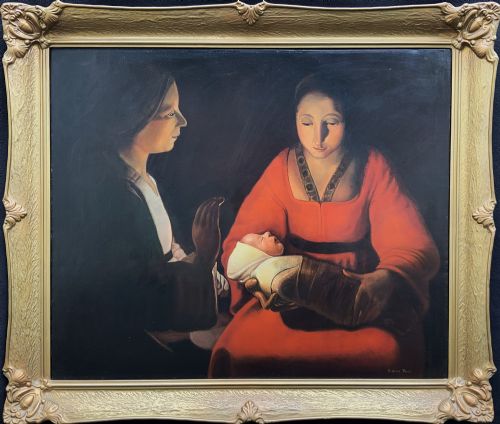
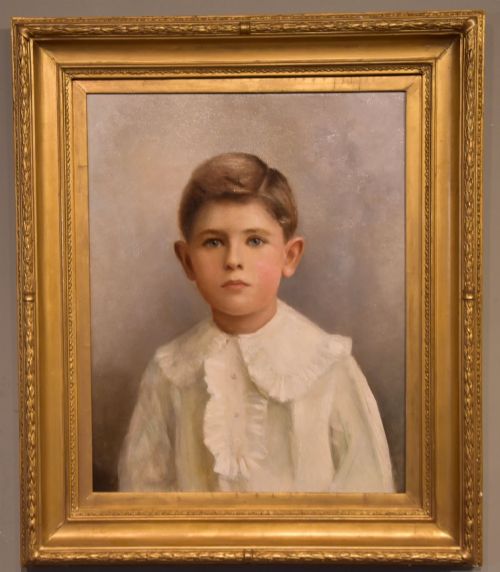
Child Portrait Oil Canvas
A child portrait oil canvas captures youth on stretched fabric, offering enduring character through historic paint and careful brushwork.
Child Portrait Oil Canvas
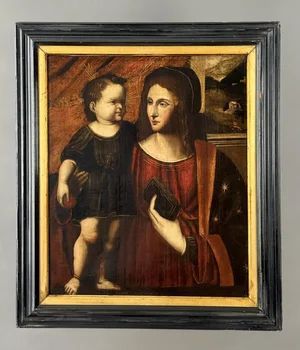
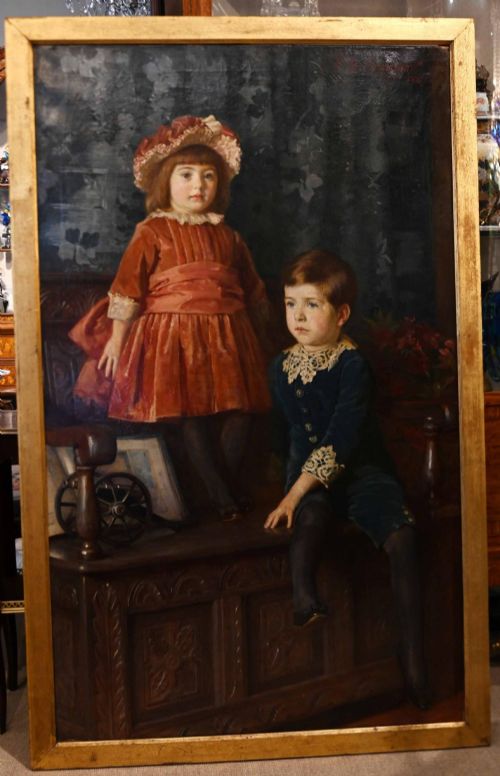
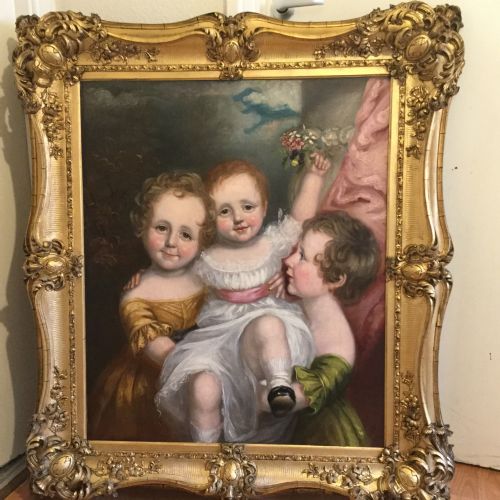
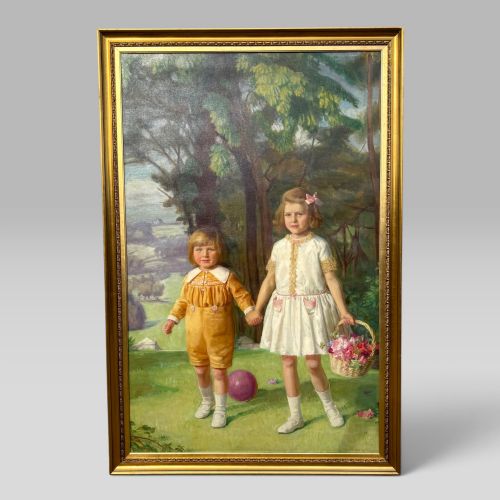
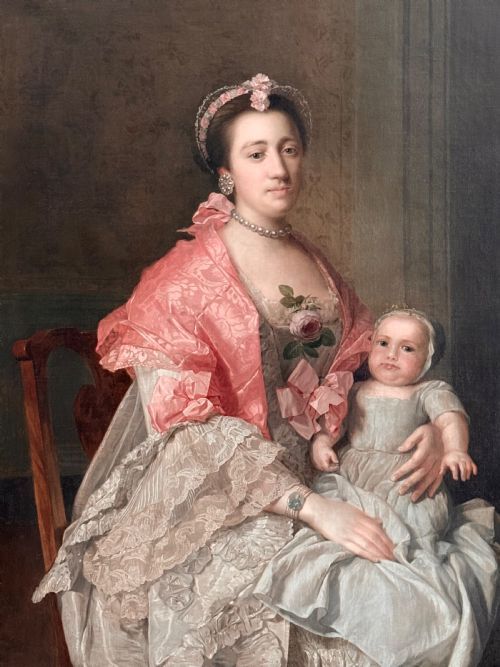
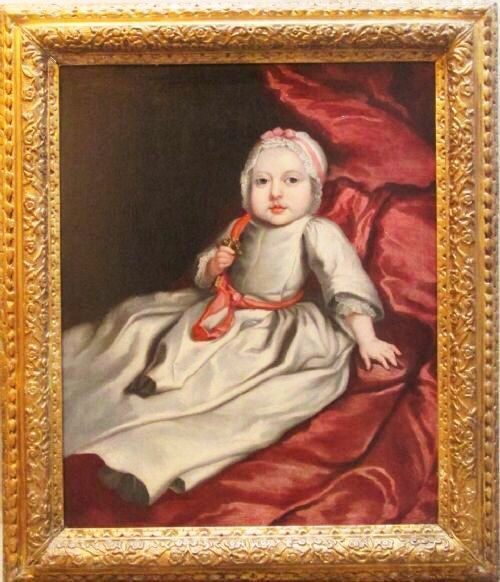
A child portrait oil canvas represents historic depictions of youth executed on woven fabric support. Buyers browsing this page encounter examples spanning multiple centuries, from early Renaissance depictions to later Victorian and Edwardian works.
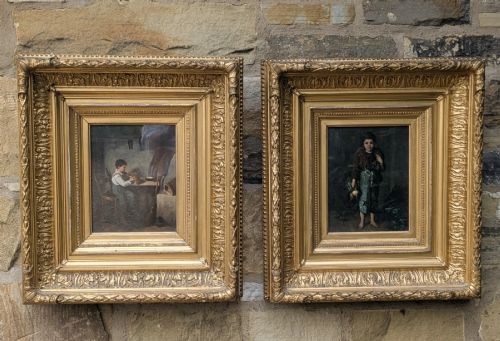
The assortment includes formal aristocratic commissions, intimate family records, and naïve vernacular pieces. Works range from monumental canvases depicting children in rich attire to smaller, direct studies of young subjects.
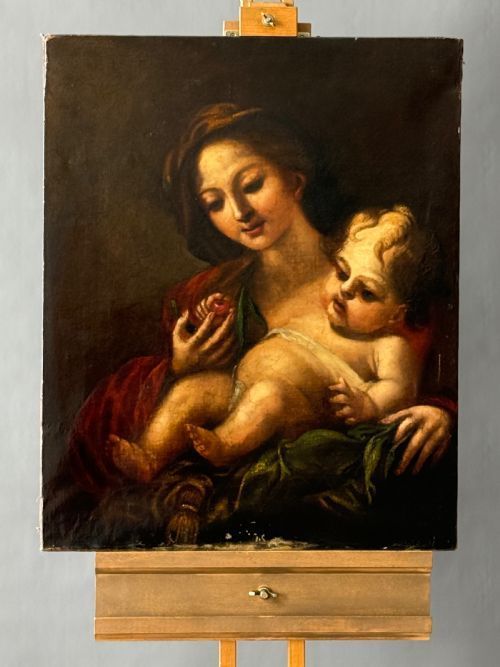
Religious compositions featuring the Madonna and child appear frequently alongside secular likenesses of boys and girls. These paintings document shifting attitudes towards childhood, dress, and domestic life across British and European schools.
Assessing quality
Quality rests upon the confidence of the draughtsmanship and the sensitivity in rendering the subject's expression. Master works display precise anatomical understanding and subtle tonal gradations in flesh tones, whereas simpler pieces rely on stiffer outlines.
The preservation of the original paint surface and canvas tension dictates the visual impact of the piece. Retaining untouched pigment layers without extensive overpainting elevates the standing of an artwork.
Child Portrait Oil Canvas Retail Price Guide 2026
Typical asking prices for child portrait oil canvas among the pieces listed under this phrase on Sellingantiques today, from the lower quarter to the upper quarter. They describe what is for sale here now, not the wider market.
Several young subjects appear alongside unexpected companions, including exotic birds, pet cats, and fruit baskets.
Joshua Reynolds·Allan Ramsay·Charles D'Agar·Michael Dahl·Joseph Highmore·Thomas Lawrence·Francesco Solimena
The Child Portrait Oil Canvas Glossary
- Oil on canvas
- A painting medium where pigments are suspended in a drying oil and applied to a woven fabric surface. This combination provides flexibility and depth of colour.
- Giltwood
- Timber carved and coated with gold leaf or a gold-coloured metallic finish. It forms the decorative framing typical of period art.
- Gesso
- A plaster-like mixture used as a smooth base on wood frames before gilding. It allows for crisp decorative moulding.
- Naïve art
- Work created by an artist without formal academic training, characterised by flattened perspective and direct charm. These pieces offer insight into vernacular artistic traditions.
- Old Master
- A term for a European artist of high skill working before the nineteenth century. These painters established foundational traditions in portraiture.
Child Portrait Oil Canvas: Frequently Asked Questions
How do I date an antique child portrait?
Dating relies upon examining the style of clothing, hair, and framing materials visible in the work. Comparison with documented works by specific schools helps narrow the production window.
Secondary clues include canvas weave density and the composition of the stretcher frame behind the painting.
What is the difference between formal and naïve portraits?
Formal portraits follow academic rules of proportion, lighting, and anatomy, often commissioned by wealthy patrons to display status. Naïve works utilise simplified perspective and direct expressions, reflecting regional or untutored traditions.
Both categories provide distinct windows into historical interpretations of childhood.
How should I care for an oil painting on canvas?
Maintain stable indoor humidity and temperature to prevent canvas slackening and paint cracking. Keep paintings away from direct sunlight to preserve pigment stability.
Dust gently with a soft, dry brush and avoid chemical cleaning agents on the painted surface.
Why do some listings mention circles or followers?
Attributions to a circle or follower indicate that an artist worked closely within the style or workshop of a master. These designations acknowledge technical similarities without claiming direct individual authorship by the named master.
Such works reflect the broader influence of prominent painters on contemporary art production.