

Cherub Wall Carving
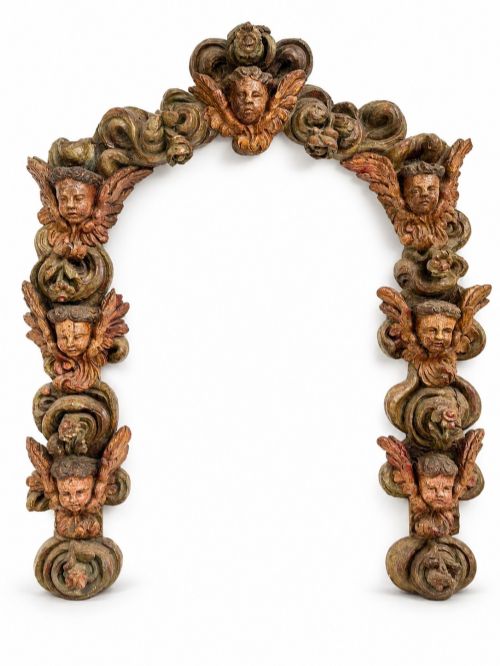
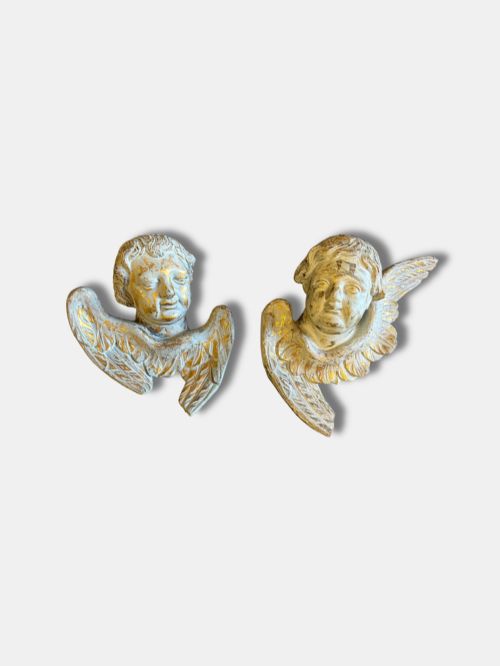
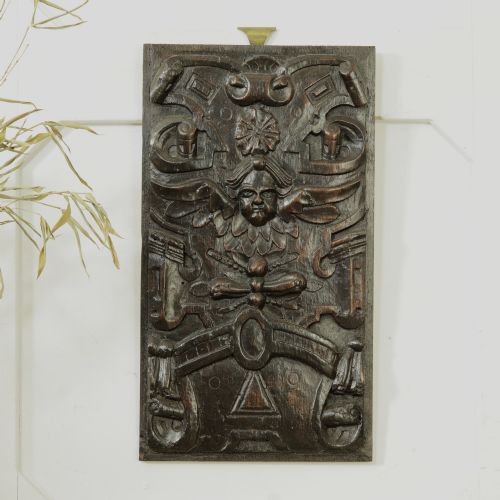
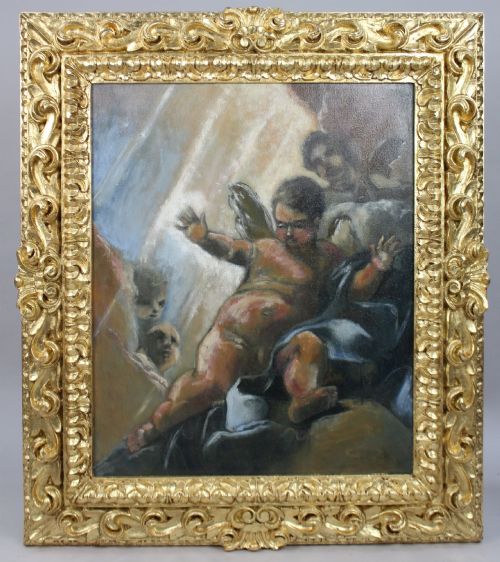
A cherub wall carving brings sculptural charm and ecclesiastical history to a room, presenting winged figures in wood, gesso and gilt. Visitors select these pieces for their decorative presence and traditional craftsmanship.
Cherub Wall Carving
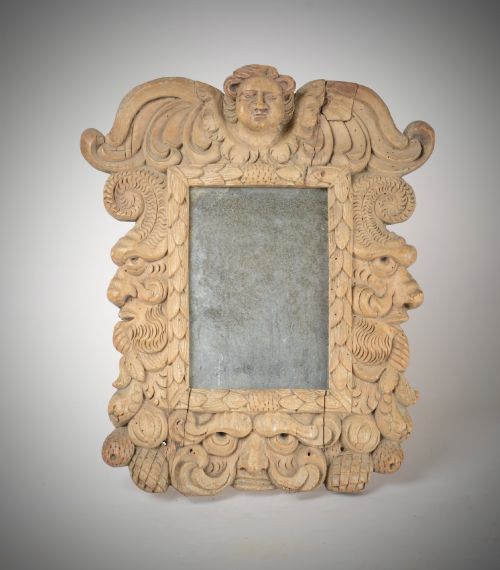
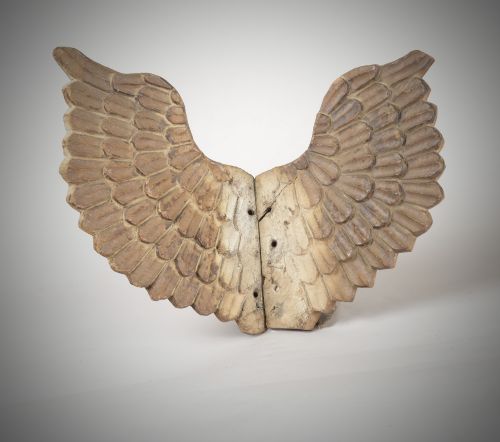
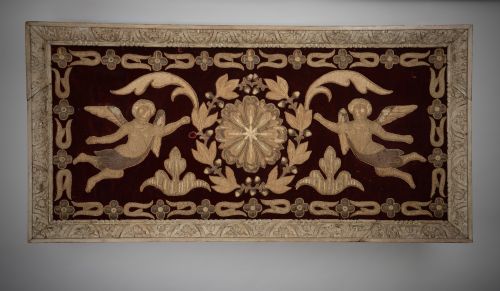
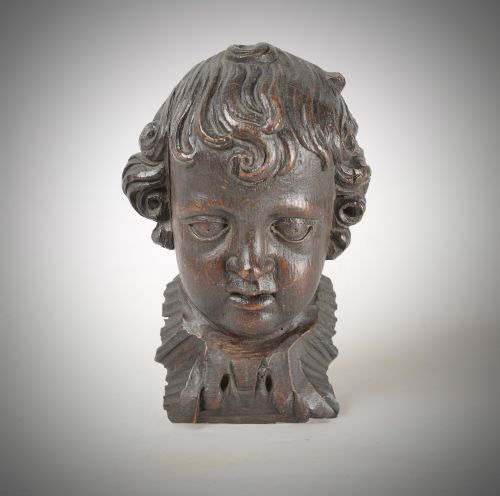
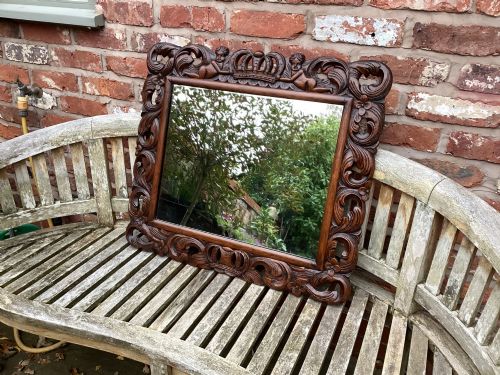
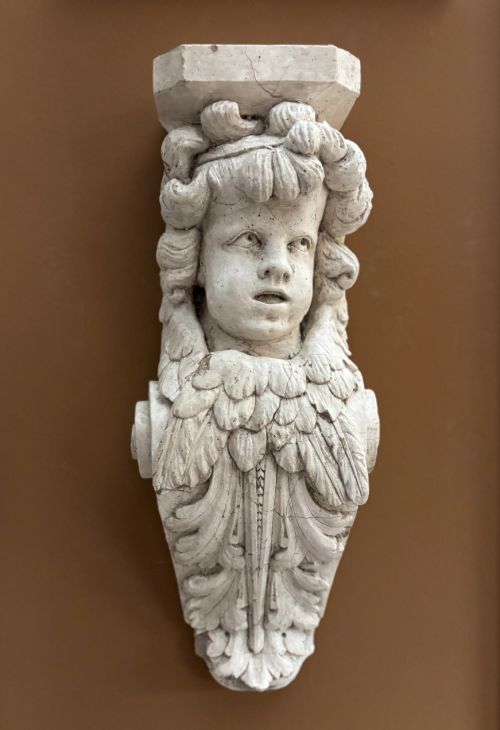
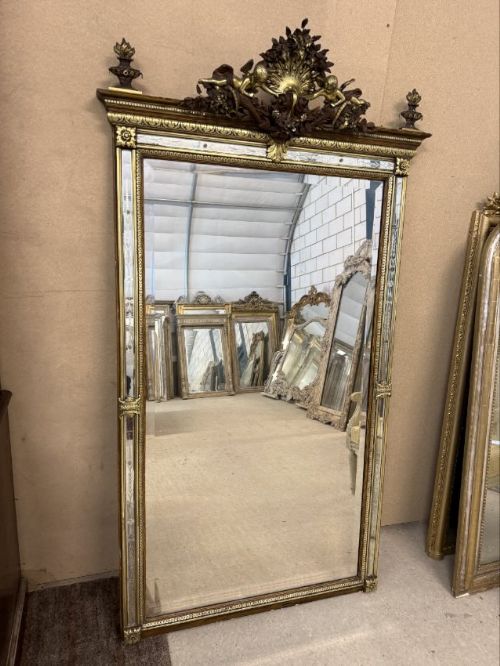
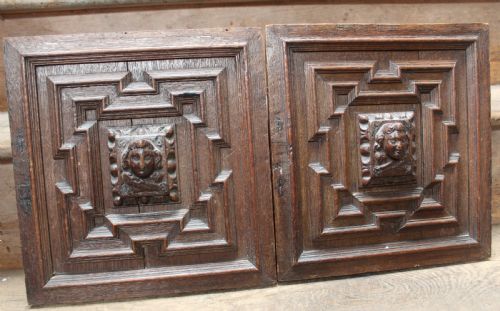
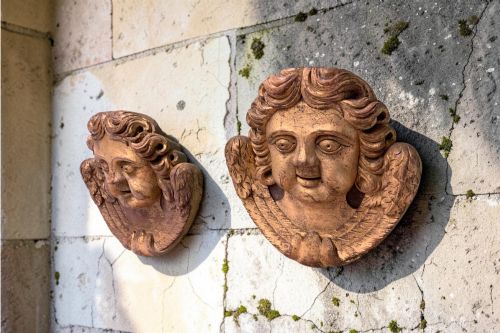
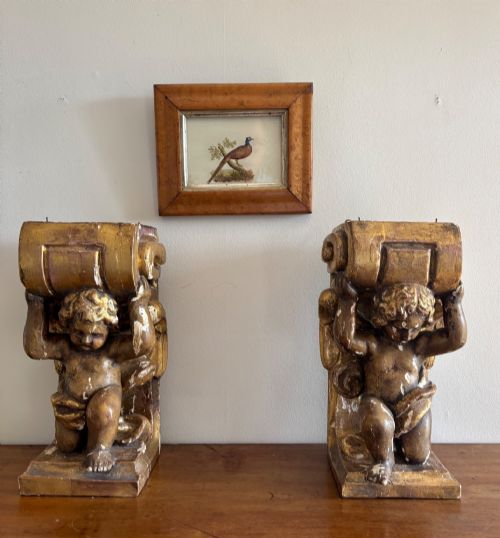
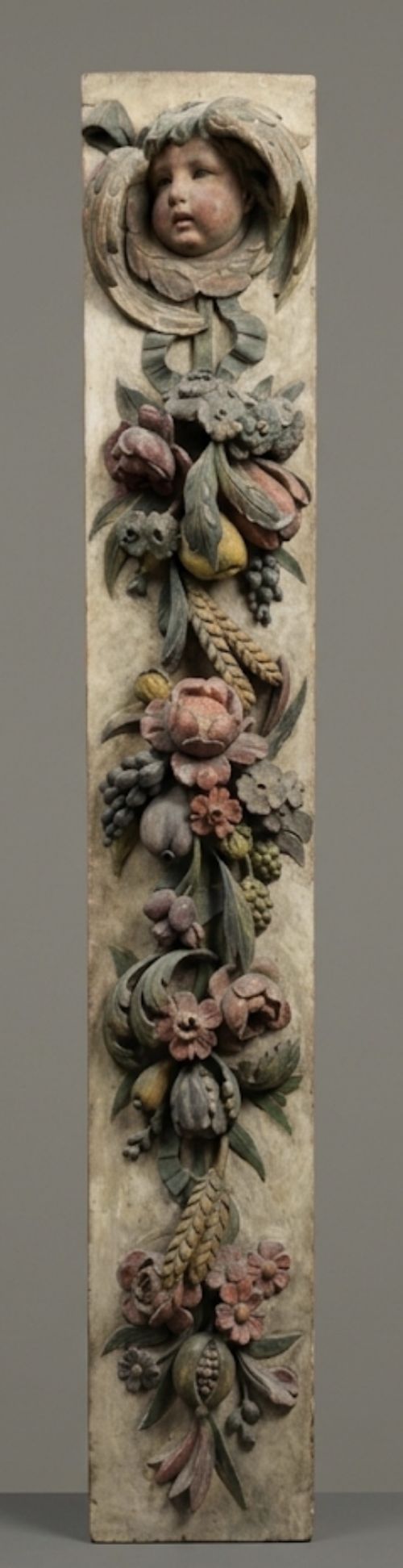
A cherub wall carving encompasses wooden brackets, architectural panels, mirror crests and figural reliefs depicting putti and angels. These items emerge from various periods including the seventeenth, eighteenth and nineteenth centuries.
The most common forms on this page include gilded mirrors with carved pediments, wooden wall brackets and ecclesiastical architectural salvage pieces. Buyers encounter both singular figures and symmetrical pairs originating from French, Italian and British workshops.
Many of these works derive from larger decorative schemes, such as overdoor panels, staircase elements and church furnishings. Their survival reflects a long tradition of interior woodcarving and architectural ornamentation.
How they were made
Makers carved these figures from solid timber, predominantly utilising oak for earlier panels and softer woods or fruitwood for detailed figurative work. Artisans employed hand chisels and gouges to achieve high-relief depth and intricate facial expressions.
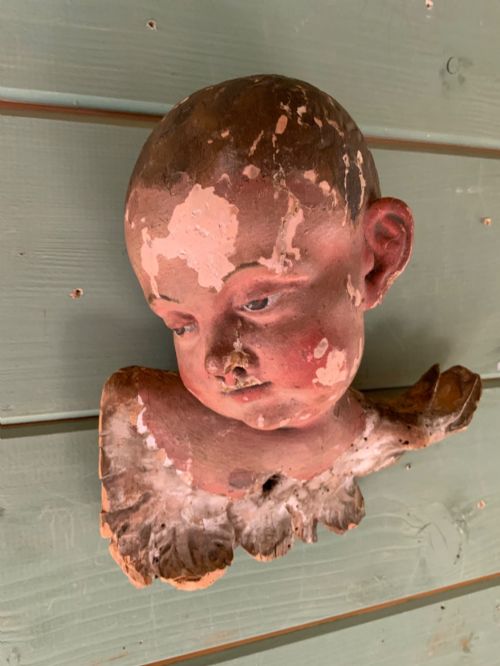
Giltwood pieces combine carved wooden bases with gesso layers and applied gold leaf or parcel gilding to create reflective surfaces. Polychrome examples retain original painted finishes, often applied over a prepared gesso ground on wood.
Cherub Wall Carving Retail Price Guide 2026
Typical asking prices for cherub wall carving among the pieces listed under this phrase on Sellingantiques today, from the lower quarter to the upper quarter. They describe what is for sale here now, not the wider market.
Listings feature items spanning the seventeenth to the nineteenth centuries, executed in oak, giltwood and carved wood.
What varies in quality
The depth and definition of the carving separate standard decorative elements from exceptional sculptural works. Superior pieces display anatomical precision in the figures and crisp undercut details in the surrounding foliage.
The integrity of the original surface finish, whether aged gold leaf, polychrome paint or untreated oak, influences the character of the piece. Retaining untouched historical patination distinguishes finer examples from heavily restored surfaces.
Edward Pearce·Sir William Trotter
The Cherub Wall Carving Glossary
- Putto
- A representation of a plump, naked male child, often winged, common in Renaissance and Baroque art. These figures appear frequently as cherubs in architectural carvings and mirror frames.
- Giltwood
- Wood that has been coated with gold leaf or gold dust over a prepared ground. This technique provides a luminous, reflective finish favoured in Baroque and Rococo decorative schemes.
- Gesso
- A plaster mixture applied to wood surfaces as a base for painting or gilding. It allows artisans to model fine decorative details before applying metal leaf.
- Pediment
- A triangular or ornamental architectural feature placed above a door, window or mirror. In wall carvings, this area often supports cherub crests or sculptural figures.
- Polychrome
- Painted in several colours. This term describes wooden carvings that retain their original tinted surface decoration rather than plain wood or gilt.
- Architectural salvage
- Building elements rescued from demolished structures for reuse in interior decoration. Many cherub carvings originate from church panels, overdoors and staircase components.
Cherub Wall Carving: Frequently Asked Questions
Where should I hang a cherub wall carving?
These carvings suit prominent wall spaces where their sculptural form and detail remain visible, such as above mantelpieces, doorways or console tables.
Pairing smaller brackets or panels with mirrors enhances their historical aesthetic within a room.
How do I care for antique gilded wood?
Maintain gilt surfaces by dusting gently with a dry, soft brush and avoiding chemical cleaning products that damage delicate gold leaf.
Keep pieces away from direct sunlight and excessive moisture to preserve the underlying gesso and wood.
How can I tell the period of a carved panel?
Examine the wood species, tool marks on the reverse and the style of the carving to determine the era of manufacture.
Earlier pieces often use heavy oak with hand-adzed backs, while nineteenth-century revivals adopt softer woods and machine assistance.
What is the difference between a putto and a cherub?
Art historical terminology distinguishes secular putti from biblical cherubim, though the terms are frequently used interchangeably by antique dealers.
Both appear as winged infant figures in decorative woodwork across the Baroque and Rococo periods.