






Charcoal Life Study
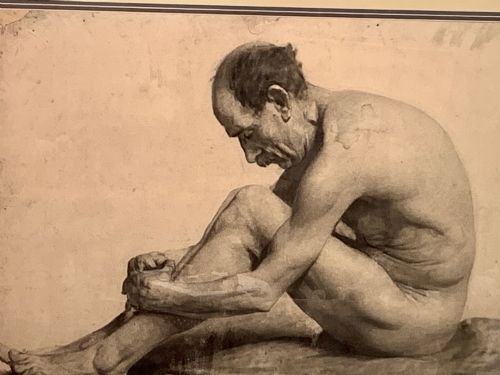
A charcoal life study captures the human form directly from life, offering a raw and intimate record of draftsmanship.
Charcoal Life Study
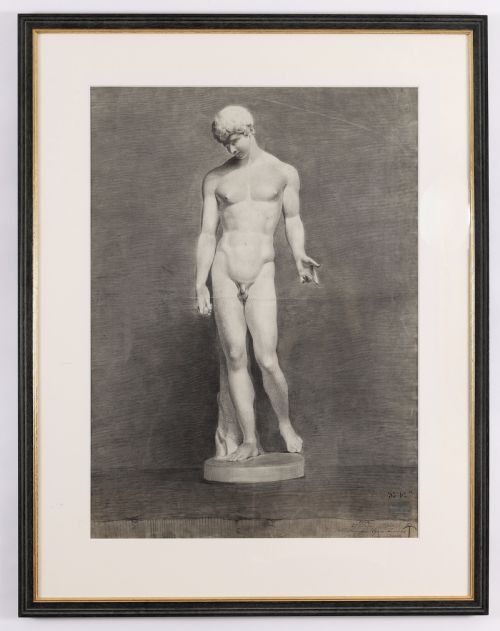
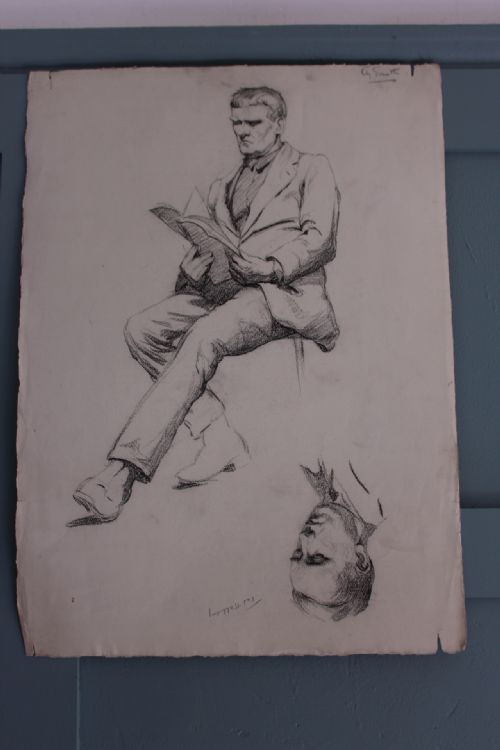
A charcoal life study represents a foundational exercise in art schools and studios, focusing primarily on the human figure. When searching for a charcoal life study, buyers encounter works ranging from rigorous nineteenth-century academic drawings to more expressive mid-century examples.
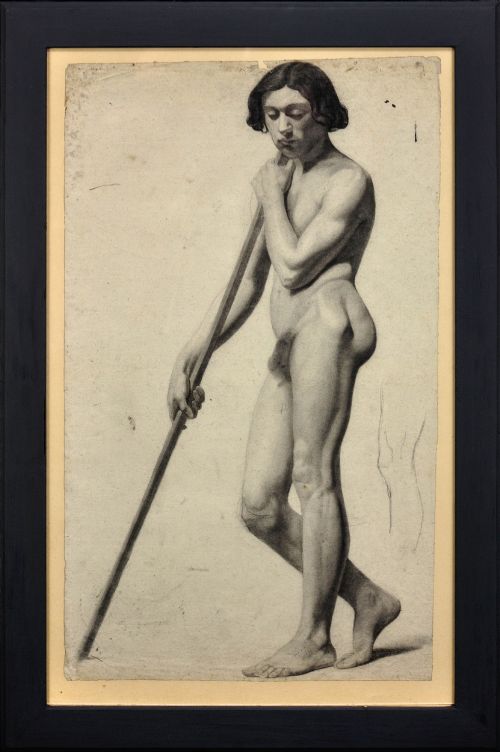
The selections span distinct periods, featuring nineteenth-century academic pieces alongside twentieth-century modern works. Forms include framed drawings and wall art executed on paper, often preserved behind glass in wooden frames.
Origin points encompass British and continental traditions, reflecting both classical academic training and later modernist approaches. Pieces frequently depict male and female nudes in seated, standing, or reclining poses.
How They Were Made
Artists utilised charcoal as the primary medium for its versatility in creating deep shadows and swift gestural lines. This was frequently combined with chalk and graphite on paper or toned paper to build volume and highlight contours.
Wash and tonal elements were occasionally introduced alongside charcoal to enhance depth and model the musculature of the figure. Works were typically mounted on paper and housed within wooden frames, sometimes protected by glass.
Charcoal Life Study Retail Price Guide 2026
Typical asking prices for charcoal life study among the pieces listed under this phrase on Sellingantiques today, from the lower quarter to the upper quarter. They describe what is for sale here now, not the wider market.
Academic realism and modernist styles appear alongside traditional framing in wood and glass.
What Varies in Quality
The strength of anatomical proportion and the confidence of line distinguish accomplished life studies from routine exercises. Masterful handling of charcoal and chalk produces convincing volume and light across the human form.
Condition of the paper and the preservation of the delicate charcoal medium significantly influence the visual impact of the piece. Works that retain their original tonal contrast without excessive smudging demonstrate superior execution.
Henry Arthur Roberts·Winifred Eugene Ballard·Frank Dobson
The Charcoal Life Study Glossary
- Academic Realism
- A style of painting and drawing produced under the influence of European academies of art, prioritising strict anatomical accuracy and traditional techniques.
- Toned Paper
- Paper that possesses a light colour or neutral tint rather than pure white, allowing the artist to build up highlights with white chalk and shadows with charcoal.
- Life Study
- A drawing or painting executed directly from a live nude or clothed model, serving as both practice and finished artwork.
- Graphite
- A form of crystalline carbon used as a drawing material, yielding grey or black marks that offer finer precision than charcoal.
Charcoal Life Study: Frequently Asked Questions
What is a charcoal life study?
A charcoal life study is a drawing created by an artist observing a live model, capturing the contours and musculature of the human body. These works serve as records of studio training and direct observation.
They utilise charcoal for its rich, expressive tones, allowing rapid adjustments of shadow and light. Many examples reflect the rigorous standards of nineteenth and twentieth-century art academies.
How should I frame these drawings?
Paper drawings require framing behind glass to protect the fragile charcoal and chalk surfaces from dust and atmospheric moisture. Acid-free mounts prevent direct contact between the paper and the glazing.
Choosing simple wooden frames helps maintain the historical character of nineteenth and twentieth-century academic works without distracting from the subject matter.
What periods do these pieces span?
The available works primarily date from the nineteenth century through to the mid-twentieth century. This includes early academic pieces as well as later modernist interpretations.
Each period brings distinct stylistic approaches, shifting from strict nineteenth-century neoclassical precision toward more expressive mid-century forms.