




Ceramic Tea Caddy Jar
These ceramic tea caddy jar examples span centuries of craft, offering collectors both useful vessels and decorative storage.
Ceramic Tea Caddy Jar
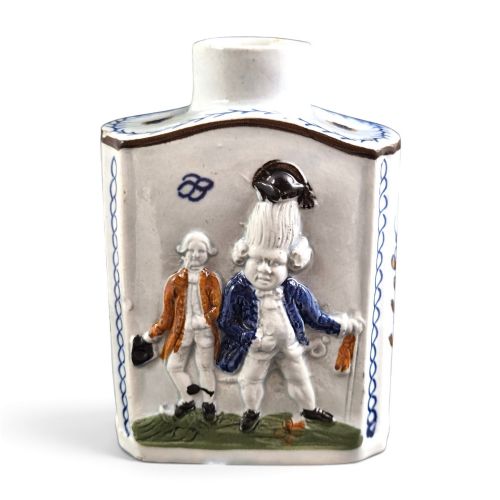
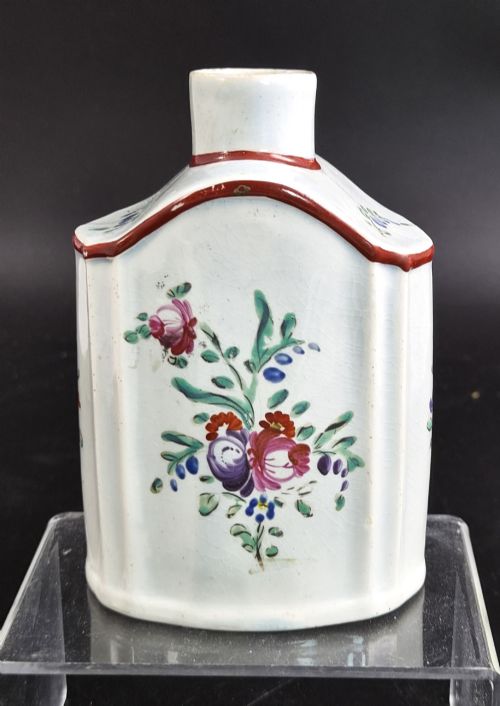
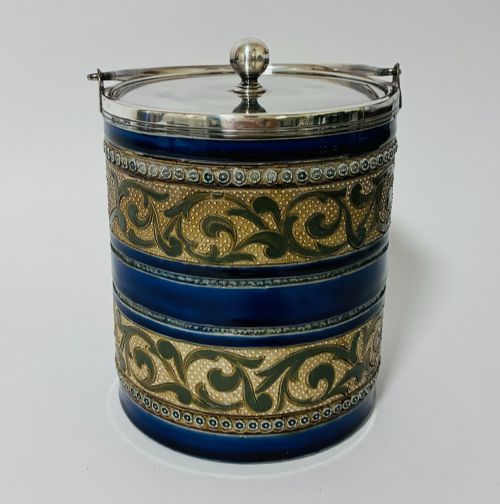
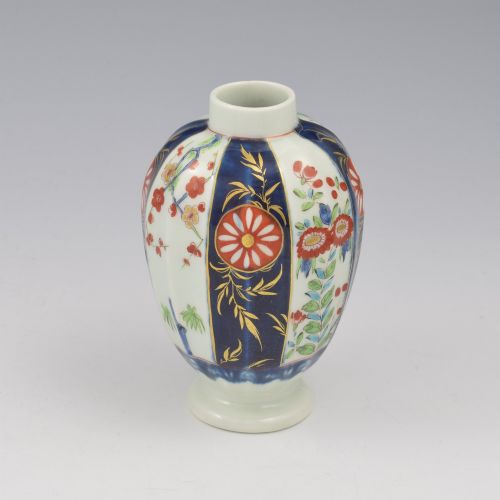
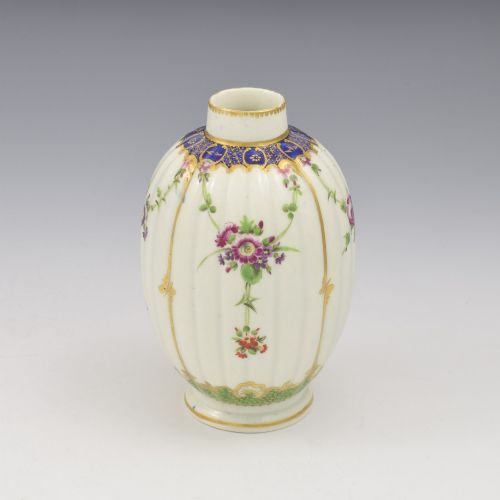
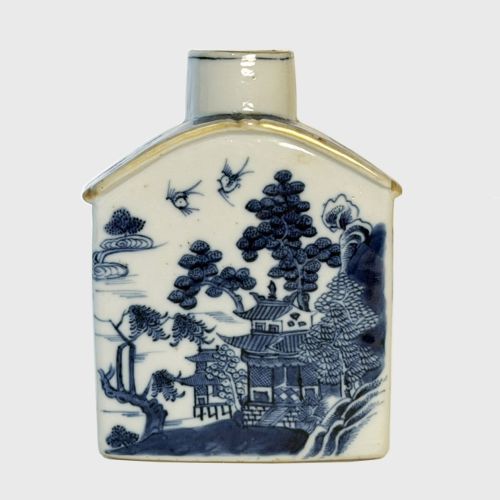
A ceramic tea caddy jar serves as a container for storing dry tea leaves, appearing across periods from the eighteenth century into the twentieth century. These pieces take forms such as traditional tea caddies, canisters, biscuit barrels, and ginger jars.
The selection ranges from eighteenth-century English porcelain and creamware to nineteenth-century Japanese Satsuma and Kutani wares, alongside Victorian earthenware and Edwardian flow blue pieces. Buyers encounter various origins including English potteries, Chinese export workshops, and Japanese kilns.
Materials and construction methods
Potters utilised earthenware, soft-paste porcelain, and creamware as the primary bodies for these vessels, applying fluid glazes and hand-painted enamel decoration. Techniques involve detailed underglaze blue painting, polychrome enamelling, and the addition of crackle glazes.
Many Victorian and Edwardian examples incorporate metal elements such as silver plate mounts and swing handles attached to ceramic bodies. Artisans also employed gold leaf detailing alongside intricate hand-painted motifs like floral sprays and figural scenes.
Ceramic Tea Caddy Jar Retail Price Guide 2026
Typical asking prices for ceramic tea caddy jar among the pieces listed under this phrase on Sellingantiques today, from the lower quarter to the upper quarter. They describe what is for sale here now, not the wider market.
Materials range from earthenware and creamware to silver plate, gold leaf, and crackle-glazed porcelain.
Distinctions in craftsmanship and finish
Quality separates simple utility vessels from pieces displaying refined painting, precise potting, and specialised ceramic formulae. The clarity of hand-painted enamels and the execution of intricate details distinguish factory output.
The preservation of delicate surface decoration, original metal mounts, and matching covers dictates the standing of individual pieces. Early porcelain bodies and marked factory pieces demonstrate technical ambition distinct from later commercial production.
Leeds Pottery·Doulton Lambeth·Kizan·Tokyo Taizan·Carlton Ware·Herend·Minton
The Ceramic Tea Caddy Jar Glossary
- Creamware
- A refined earthenware developed in the eighteenth century, characterised by a pale yellowish cream glaze. This body type found wide use among English potteries for domestic teawares.
- Biscuit Barrel
- A covered ceramic container used on the dining table for holding biscuits or dry cakes, often fitted with metal mounts and a handle. Victorian examples frequently utilise earthenware bodies.
- Soft-paste Porcelain
- An artificial porcelain composition fired at lower temperatures than hard-paste porcelain, common in early English factory production. It yields a distinctive warm glaze texture.
- Flow Blue
- A nineteenth-century transfer-printing technique where cobalt blue ink bleeds into the surrounding glaze during firing, creating a blurred, painterly effect.
- Natsume
- A traditional Japanese tea caddy used in the chanoyu tea ceremony, typically shaped like a jujube fruit. These small vessels often feature elaborate lacquer or ceramic decoration.
Ceramic Tea Caddy Jar: Frequently Asked Questions
How do I identify an 18th-century tea caddy?
Eighteenth-century examples typically utilise soft-paste porcelain, creamware, or early earthenware bodies with hand-painted underglaze blue or polychrome enamel decoration. Formats often reflect Chinese export styles or early English factory designs.
Examination of the foot ring, glaze pooling, and painting style helps distinguish these early pieces from later Victorian revivals and twentieth-century reproductions.
What is the difference between a caddy and a biscuit barrel?
A tea caddy is a small vessel designed specifically for storing dry tea leaves, usually featuring a tight-fitting inner lid and a secure outer cover. These objects remain compact to preserve the aroma of expensive leaves.
A biscuit barrel is a larger container intended for the dining table to hold biscuits, incorporating a wide opening and frequently a metal swing handle with silver plating.
How should I care for antique ceramic storage jars?
Keep antique ceramics away from direct sunlight and dramatic temperature fluctuations to protect fragile enamels and gold leaf details. Dusting with a dry, soft cloth prevents particulate buildup on porous glazes.
Avoid washing pieces with metal mounts in water, as moisture damages silver-plated components and corrodes historic joins.