





Ceramic Shepherd Figurines
These ceramic shepherd figurines bring pastoral charm into your home through finely modelled porcelain, earthenware, and bisque.
Ceramic Shepherd Figurines
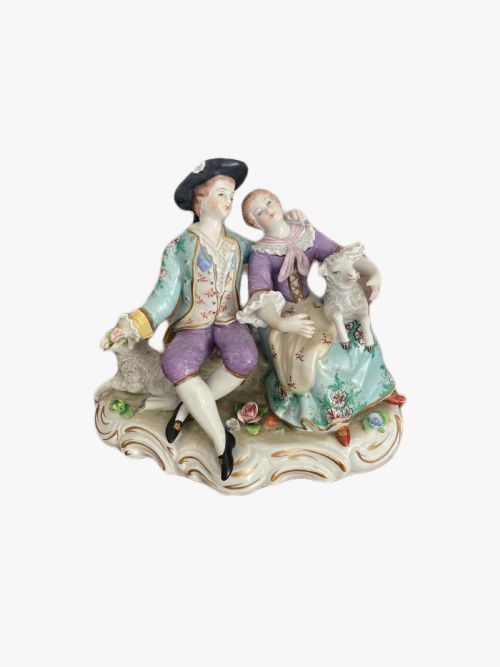
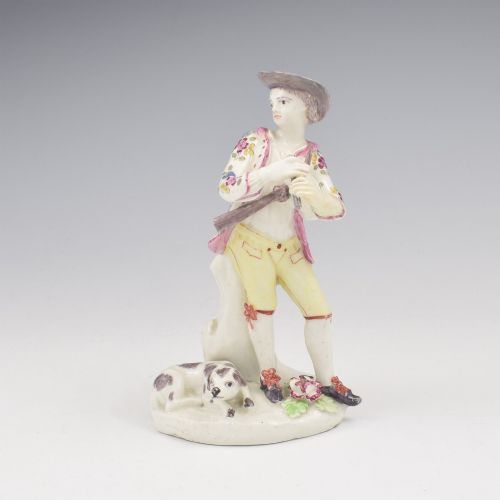
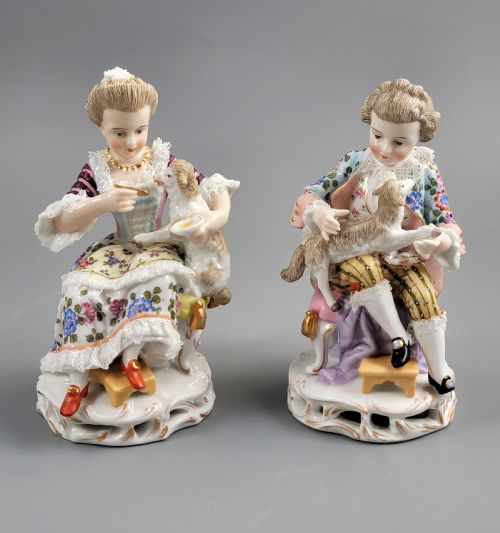
Ceramic shepherd figurines capture pastoral and rural subjects, frequently depicting shepherds, shepherdesses, and children with lambs or goatherds. These sculptural pieces take the form of individual figures, pairs, and statuettes designed for decorative display.
Makers drew on Rococo Revival, Victorian, and Art Nouveau styles to shape these figures. You will encounter both glazed porcelain with enamel and gilt details and unglazed bisque porcelain sculptures.
How they were made
Makers utilised soft-paste and hard-paste porcelain, earthenware, and terracotta to form these sculptural groups. Forms were shaped using moulds before undergoing kiln firing.
Surface decoration involved hand-applied polychrome enamel paints and touches of gold leaf or gilt. Bisque porcelain pieces were left unglazed to emphasise the smooth, matte texture of the fired body.
Ceramic Shepherd Figurines Retail Price Guide 2026
Typical asking prices for ceramic shepherd figurines among the pieces listed under this phrase on Sellingantiques today, from the lower quarter to the upper quarter. They describe what is for sale here now, not the wider market.
A French terracotta dog signed Foucher stands ready among the porcelain shepherds.
What varies in quality
The refinement of the modelling dictates the visual success of the piece, separating finely sculpted facial expressions and delicate drapery from softer, less distinct moulding. Crisp detail in the foliage, animals, and garments reflects the skill of the original factory modeler.
Painting quality varies from flat washes to meticulously applied polychrome enamels and precise gilding. Early soft-paste pieces and works from prominent factories display greater nuance in colour and finish than later mass-produced variations.
Bloor Derby·Sitzendorf·Vion and Baury·Royal Dux·Staffordshire Pottery
The Ceramic Shepherd Figurines Glossary
- Bisque Porcelain
- Unpainted and unglazed porcelain fired to a matte, smooth finish that highlights sculptural detail. It is frequently seen in 19th-century French figures.
- Polychrome
- Decoration employing multiple distinct colours, typically hand-painted across the surface of the ceramic. This technique brings life to garments and natural settings.
- Hard-paste Porcelain
- A durable ceramic composition fired at high temperatures using kaolin and petuntse. It creates a crisp, vitreous body capable of holding sharp moulded details.
- Soft-paste Porcelain
- An earlier ceramic recipe containing glass frit that fires at lower temperatures. It possesses a warm, slightly creamy appearance characteristic of 18th-century English figures.
- Gilt
- A thin layer of gold applied to highlights, clothing borders, or bases. It adds a decorative sheen to finished porcelain.
Ceramic Shepherd Figurines: Frequently Asked Questions
What periods do these figurines date from?
The pieces span from the 18th century through the Georgian and Victorian eras up to the early 20th century.
Most examples originate from the 19th century, representing Continental and English ceramic traditions.
How were shepherd figurines displayed?
These decorative figures were designed to sit on mantelpieces, side tables, and decorative display cabinets.
Pairs were often placed symmetrically to balance the mantel or surface they adorned.
Are these figures glazed or unglazed?
You will find both glazed and unglazed finishes depending on the material and maker. Glossy enamel surfaces contrast with matte bisque porcelain.
Polychrome glazes and gold leaf often enhance glazed porcelain works.
How do I identify different regional styles?
English factories like Derby display distinct paste characteristics and softer colouring, particularly in 18th-century patch-period examples.
Continental makers often employed Rococo Revival and Art Nouveau styling with crisp bisque or heavily gilded porcelain.