



Ceramic Oil Lamp
A ceramic oil lamp brings nineteenth-century illumination into a modern room, combining sculpted clay bases with brass burners and glass shades.
Ceramic Oil Lamp
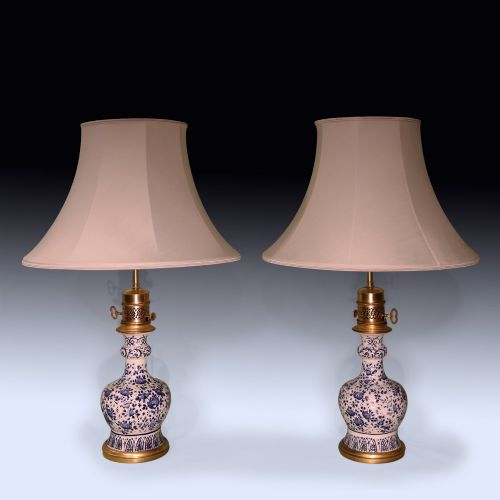
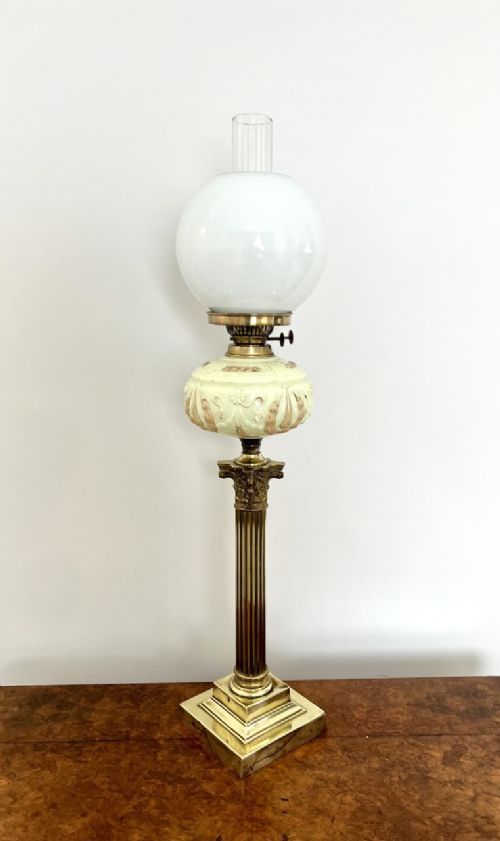
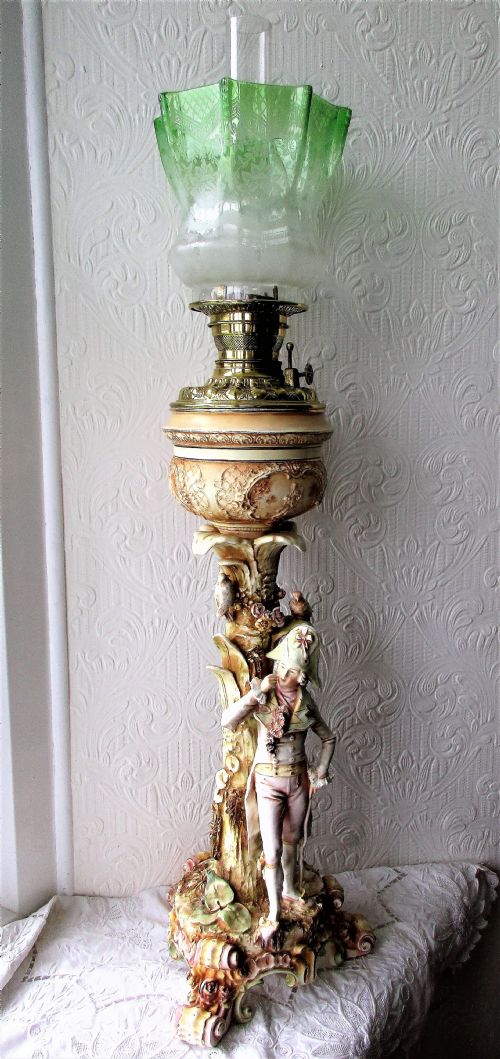
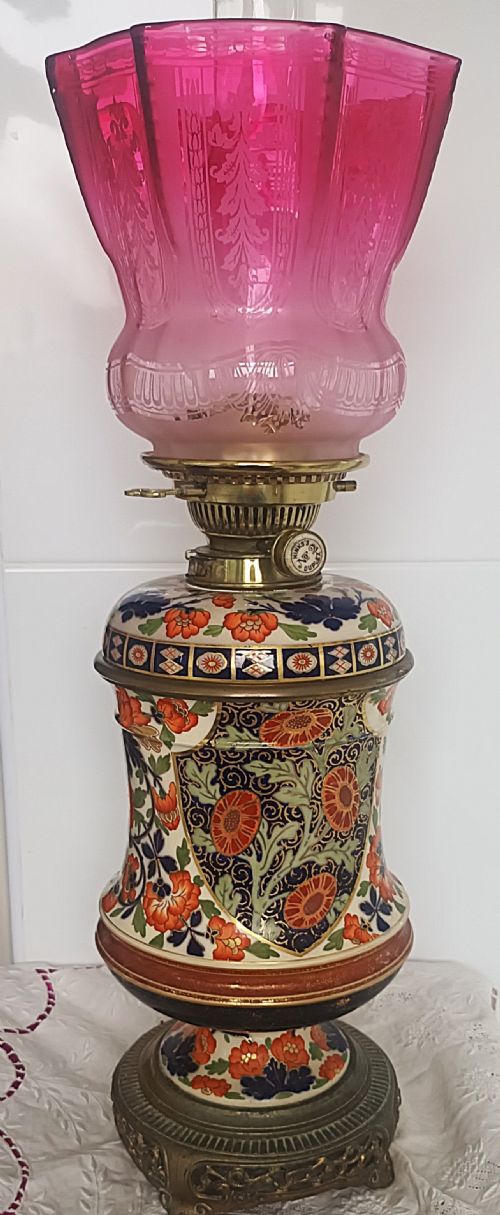
A ceramic oil lamp combines fired clay, porcelain, or faience reservoirs with metal burner mechanisms and glass chimneys to provide period lighting. When looking for a ceramic oil lamp, you encounter items predominantly from the Victorian era and the turn of the twentieth century, alongside specific examples from German manufactories and French ateliers.
Maker attributions surface in pieces associated with Sitzendorf or collaborations such as Hinks and Taylor Tunnicliff, anchoring the output in recognizable European ceramic traditions. Alongside standard table formats, the selection includes converted vases and pieces influenced by Art Nouveau and Victorian Rococo Revival styles.
Materials and construction
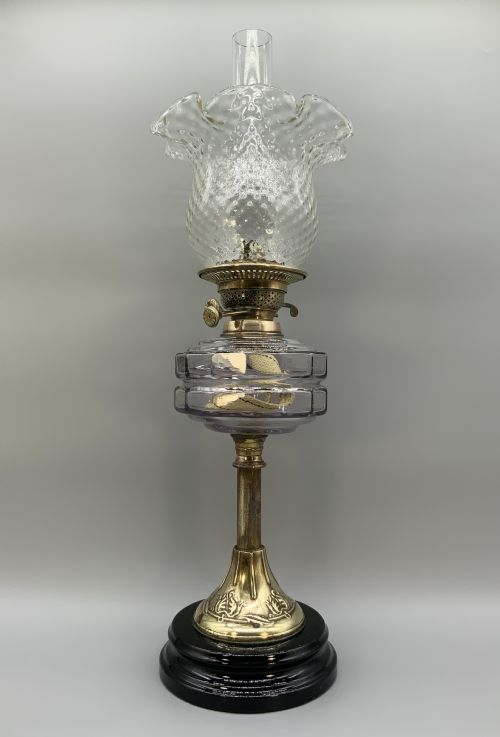
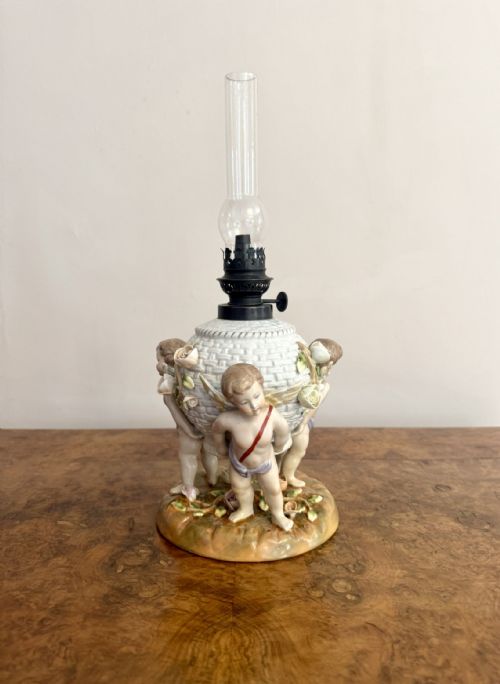
Makers shaped the reservoirs from porcelain, faience, and white ceramic, often decorating the surfaces with hand-painted glazes, figural modeling, or enamel work. These ceramic bodies were then fitted to metal collars and mounted on heavy bases made of brass, bronze, or black glass to ensure stability on domestic tables.
Upper assemblies typically incorporated brass burner mechanisms designed to control the wick, paired with hand-blown glass shades, terrestrial globes, or chimneys. The integration of different media required precise fitting between the fired clay and the metal mounts to support the weight of the fuel and the glass shade safely.
Ceramic Oil Lamp Retail Price Guide 2026
Typical asking prices for ceramic oil lamp among the pieces listed under this phrase on Sellingantiques today, from the lower quarter to the upper quarter. They describe what is for sale here now, not the wider market.
The ceramic oil lamp selection on this site spans the Victorian period into the 1930s, utilising materials such as faience, porcelain, bronze, and brass.
Measures of quality
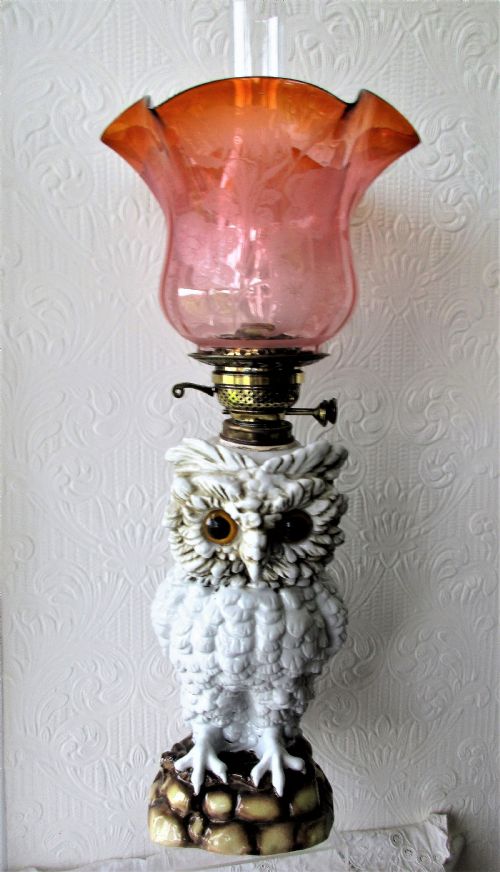
Quality reveals itself in the crispness of the porcelain modeling and the depth of the hand-painted enamel or glaze decoration on the reservoir. Superior examples display finely detailed figural work, such as feathers on an owl lamp or intricate moulding on Rococo Revival forms, rather than flat or purely functional casting.
The integration of materials also defines the tier of the piece, where heavy bronze or brass mountings, undamaged hand-blown glass shades, and signed or attributed burner mechanisms elevate the object. Lesser examples rely on plain ceramic bodies with standard commercial brass fittings and minimal ornamentation.
Sitzendorf·Hinks·Taylor Tunnicliff
The Ceramic Oil Lamp Glossary
- Faience
- Tin-glazed earthenware popular in continental European ceramics. It provides an opaque white surface that accepts painted enamels and detailed botanical or figurative motifs.
- Burner
- The metal mechanism screwed into the top of the oil reservoir to hold the wick and regulate the flame. Common nineteenth-century systems included duplex burners for increased light output.
- Reservoir
- The hollow container that holds the lamp oil, formed from ceramic, porcelain, or glass. Its capacity determines the burning time and dictates the overall proportions of the lamp.
- Chimney
- A tall, cylindrical glass tube placed over the burner to steady the flame and create a draft. These delicate components are frequently replaced, making original glass important to purists.
- Figural
- Describes an object modeled in the likeness of a human, animal, or mythical creature. In this category, bird forms such as owls appear alongside human figures.
Ceramic Oil Lamp: Frequently Asked Questions
How do I operate an antique oil lamp?
Operating these lamps safely requires filling the ceramic reservoir with modern liquid paraffin rather than traditional volatile lamp oils. Trim the wick flat and allow it to saturate thoroughly before lighting.
Keep the flame adjusted low to prevent smoke from blackening the delicate glass chimney. Extinguish the flame by turning the wick down or using a snuffer rather than blowing directly across the top.
Can these lamps be converted to electricity?
Many period lamps undergo conversion to electricity to allow everyday use in modern homes without burning fuel. This process typically routes wiring through the existing burner path without damaging the ceramic body.
Reversible conversions preserve the original collar and reservoir structure intact. Collectors often prefer units that retain their original mechanical burner parts alongside the electrical fitting.
How should I clean porcelain and brass?
Clean ceramic and porcelain reservoirs gently using a soft cloth dampened with mild soapy water. Avoid abrasive sponges or harsh chemical cleaners that can damage hand-painted enamel decoration.
Polish brass and bronze components separately with a dedicated metal cleaner while shielding the ceramic surface from residue. Take care around vintage lacquer or patinated finishes which should not be scrubbed away.
Are replacement glass shades authentic?
Replacement glass shades and chimneys are common because original blown glass components broke frequently during daily use in the nineteenth century. Matching a shade to the period involves looking at the bubble distribution, thickness, and rim finish of the glass.
While period-correct replacements maintain the visual harmony of the lamp, original hand-blown or etched shades command higher regard among advanced collectors.