




Ceramic Lighting Fixture
These ceramic lighting fixture examples bring enduring character to interiors, combining durable earthenware bodies with period metalwork for everyday illumination.
Ceramic Lighting Fixture
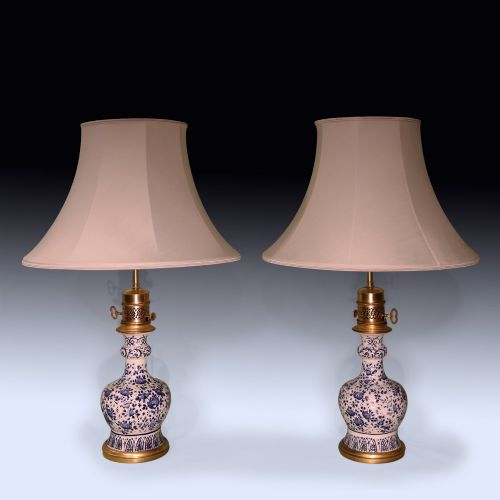
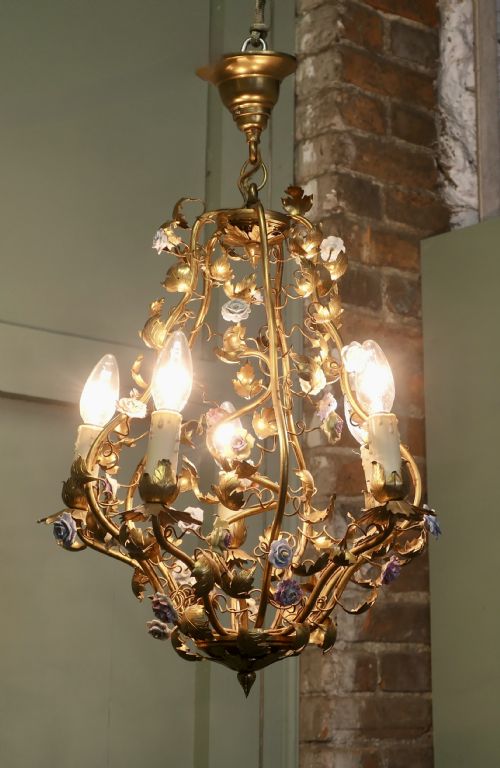
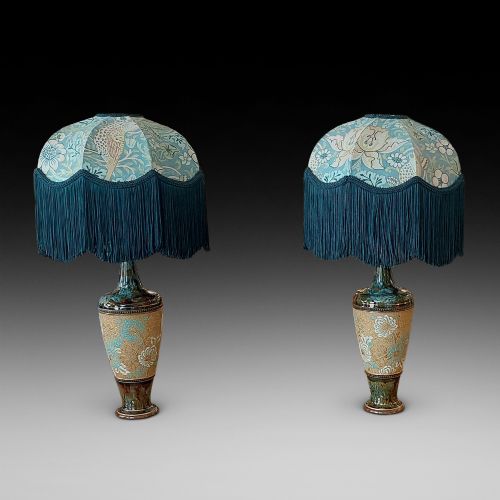
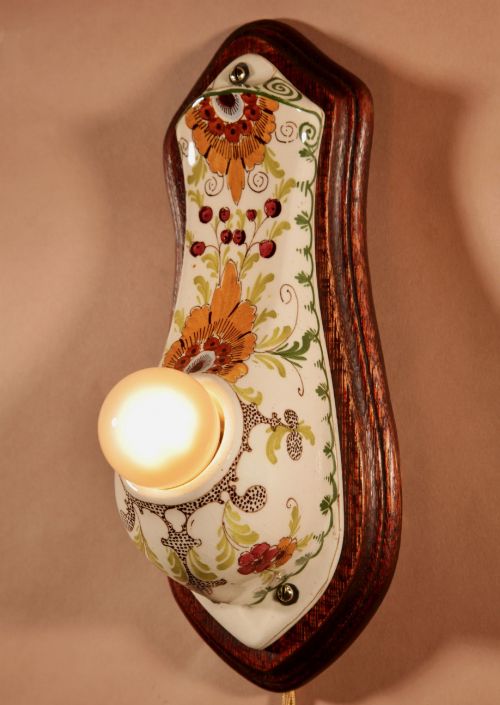
A ceramic lighting fixture encompasses functional lamps, wall sconces, and multi-bulb chandeliers drawn from nineteenth and early twentieth-century traditions. When exploring a ceramic lighting fixture, buyers will frequently encounter pieces that merge fired clay bodies with brass, gilt metal, or toleware components.
The selections on this page span diverse aesthetic movements including Victorian, Arts and Crafts, Art Nouveau, Art Deco, and Rococo Revival. Formats range from tall table lamps and converted oil lamps to elaborate five and six-branch chandeliers.
Origins represented in these listings include English potteries, French ateliers, Dutch workshops, and German manufacturing traditions. Each ceramic lighting fixture reflects the domestic lighting technology and decorative tastes of its specific decade of production.
How they were made
Maker's workshops utilised ceramic materials such as porcelain, stoneware, Delft earthenware, and glazed pottery for the primary bodies of these lamps and chandeliers. These clay elements were frequently paired with spun or cast brass, ormolu, gilt metal, and painted toleware.
Surface decoration involved hand-painting, blue and white glazing, applied floral motifs, and detailed figural moulding. Metal fittings like wall mounts and burner assemblies were then attached to the fired ceramic structures using threaded rods or collars.
Ceramic Lighting Fixture Retail Price Guide 2026
Typical asking prices for ceramic lighting fixture among the pieces listed under this phrase on Sellingantiques today, from the lower quarter to the upper quarter. They describe what is for sale here now, not the wider market.
Some night lights doubled as decorative Dutch ceramic plates with interior illumination.
What varies in quality
The standard of a ceramic lighting fixture rests on the crispness of the moulding and the artistic execution of the painted or glazed surface decoration. Pieces featuring finely detailed figural work or hand-painted floral subjects demonstrate superior workshop execution.
The integration between the ceramic body and the metal mounts dictates the overall construction integrity. High-grade examples utilise substantial brass, ormolu, or gilt metal components that complement rather than overpower the central ceramic element.
Villeroy and Boch·Royal Doulton
The Ceramic Lighting Fixture Glossary
- Toleware
- Painted or lacquered sheet metal, frequently formed into floral or leafy embellishments to accompany ceramic bodies on chandeliers and sconces. This material gained particular popularity in French decorative lighting.
- Ormolu
- Finely ground high-carat gold applied to a bronze or brass base metal, utilised for decorative mounts and accents on period lighting fixtures. The technique produces a rich, durable metallic finish.
- Stoneware
- A robust type of pottery fired at high temperatures until vitrified and impermeable to water, often seen in heavy table lamps. This dense ceramic body resists chipping and wear.
- Wall Sconce
- A light fixture fixed to a wall rather than suspended from a ceiling or resting on a surface. These often combine ceramic wall plaques with protruding metal candle arms or electric bulb holders.
- Capodimonte
- A style of Italian porcelain originating from Naples, known for intricate modelled figures and floral reliefs. These elements frequently form the decorative columns of period chandeliers.
Ceramic Lighting Fixture: Frequently Asked Questions
What is a ceramic lighting fixture?
A ceramic lighting fixture is a functional lamp, sconce, or chandelier featuring a body made from fired clay, porcelain, or stoneware. These pieces combine utilitarian lighting mechanisms with decorative ceramic forms.
Such objects range from late Victorian oil lamps to early twentieth-century Art Deco table lamps and multi-branch chandeliers.
How do I date a ceramic lighting fixture?
Dating relies on stylistic clues, manufacturing techniques, and the accompanying metalwork hardware. Victorian examples often feature heavy brass bases and floral oil lamp reservoirs, while Art Deco pieces display geometric forms and blue and white porcelain figures.
Porter marks, registration numbers, and known factory periods further narrow down the precise decade of manufacture.
Were these fixtures converted to electricity?
Many older lamps and chandeliers designed for oil or candles have subsequently been wired for electricity to suit modern homes. Conversions typically happened at various points throughout the twentieth century.
Buyers often find a mix of professionally converted wiring systems and original burner components across these historic pieces.
How do I care for antique ceramics and metal?
Maintenance involves gentle dusting with a soft, dry cloth to protect glazed surfaces and metal patinas. Liquid cleaners should be avoided on painted or gilt areas to prevent accidental damage.
Regular checks on structural joins and mounting hardware ensure the stability of heavier ceramic chandeliers and wall lights.