

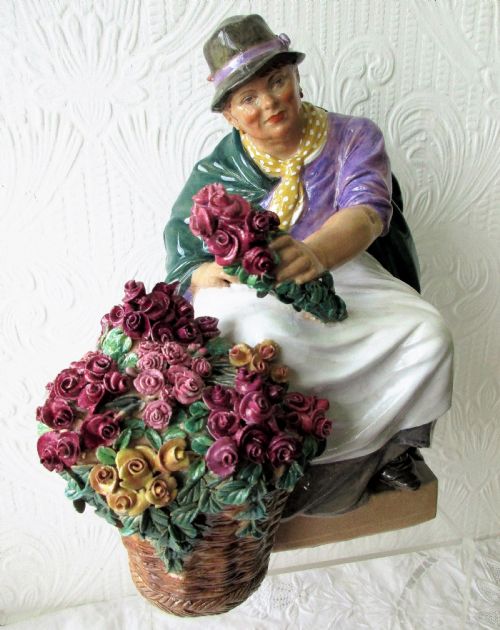


Ceramic Girl Figurine
A ceramic girl figurine captures personality in clay, offering a charming glimpse into domestic scenes from centuries past.
Ceramic Girl Figurine
A ceramic girl figurine embodies sculptural depictions of young females modelled across various historical eras, spanning simple earthenware studies to elaborate porcelain compositions. These pieces take many forms, appearing as standalone sculptures, functional dresser powder boxes, pin cushion half dolls, and chambersticks. Buyers encounter everything from eighteenth-century Meissen figures to nineteen-thirties Art Deco flapper designs.
The material range is broad, covering standard ceramic, earthenware, terracotta, and fine porcelain, often enriched with hand-painted details. Makers utilise distinct regional styles, moving from neoclassical and rococo revival aesthetics toward stylised twentieth-century forms. The selection reflects changing domestic tastes, shifting from formal pastoral scenes to modern utility items like cigarette strikers and hatpin holders.
Assessing quality in figures
The reputation of the manufactory and the clarity of factory marks or model numbers influence the standing of a piece. Earlier figures from established European kilns often command attention for their intricate anatomical proportions and sophisticated glazing techniques.
Ceramic Girl Figurine Retail Price Guide 2026
Typical asking prices for ceramic girl figurine among the pieces listed under this phrase on Sellingantiques today, from the lower quarter to the upper quarter. They describe what is for sale here now, not the wider market.
Materials represented include earthenware, terracotta, majolica, Parian bisque, and glazed porcelain decorated with enamel and gold leaf.
Charles Vyse·James Hadley·Fasold & Stuach·Meissen·Bernard Bloch·Minton·Wedgwood and Co·Derby·Shelley·Freda Doughy·Dressel Kister and Cie·Royal Dux·Ernst Bohne und Soehne·Helena Wolfsohn·Friedrich Goldscheider
The Ceramic Girl Figurine Glossary
- Half doll
- A ceramic torso without legs, manufactured primarily to sit atop powder boxes, whisk brooms, or pin cushions during the early twentieth century. These figures typically depict fashionable flapper girls or historical characters.
- Parian
- A fine-grained bisqueware porcelain developed in the nineteenth century that resembles carved white marble. It is frequently utilised for classical or sentimental figure studies.
- Majolica
- A type of earthenware coated with an opaque white tin glaze and decorated with metal oxide colours. This technique produces vibrant, glossy surfaces found on nineteenth-century figural groupings and jardinieres.
- Bisque
- Unglazed fired pottery or porcelain possessing a matte, pebble-like texture. It allows fine sculptural details to remain crisp and unhindered by glossy surface coatings.
Ceramic Girl Figurine: Frequently Asked Questions
What is a half doll used for?
A half doll serves as a decorative upper body attached to a fabric skirt, powder jar, or pin cushion. These items function as dressing table accessories popular during the Art Deco era.
Collectors prize them for their detailed hairstyles, hats, and expressive painted faces that capture period fashion trends.
How do I date an old figure?
Dating relies upon examining factory marks, the style of the clothing, and the type of ceramic body used. Nineteenth-century pieces often feature impressed numbers or painted blue monograms beneath the glaze.
Stylistic cues such as neoclassical drapery or nineteen-thirties geometric hairstyles provide further clues to the period of manufacture.
Are these figures painted by hand?
Many antique ceramic figures feature hand-painted enamels on the eyes, lips, hair, and garments. Artisans apply these colours over the glaze or directly onto the biscuit body before a final kiln firing.
Close inspection reveals individual brushstrokes and slight variations between pieces produced in the same workshop.
What is Parian ware?
Parian ware is an unglazed porcelain developed in Victorian times to imitate carved white marble. It captures fine anatomical details without the glossy finish typical of standard tableware.
Figures made from this material often depict classical subjects or sentimental rustic characters.