





Ceramic Figurine Decor
Ceramic figurine decor brings character and narrative to a room, offering sculpted porcelain and earthenware figures shaped by centuries of studio traditions.
Ceramic Figurine Decor
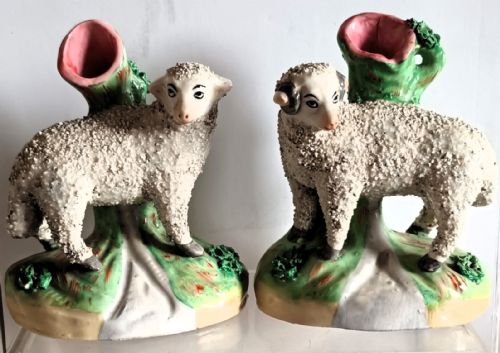
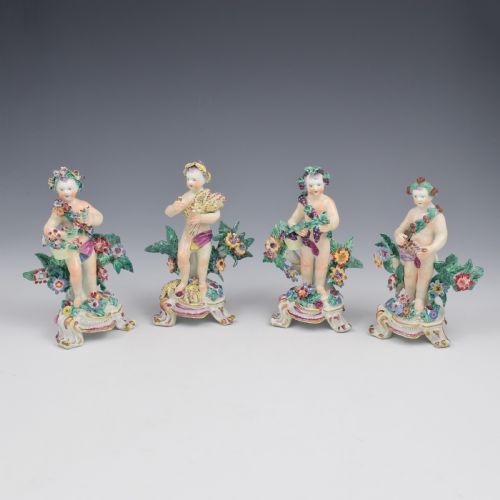
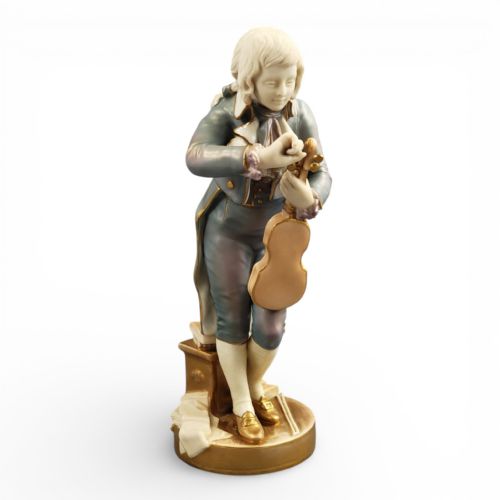
Ceramic figurine decor encompasses sculptural figures, spill vases, and figural groups shaped from earthenware, porcelain, and pottery. These pieces bring historical narrative and sculptural presence into domestic spaces through modelled representations of human figures, animals, and allegorical subjects.
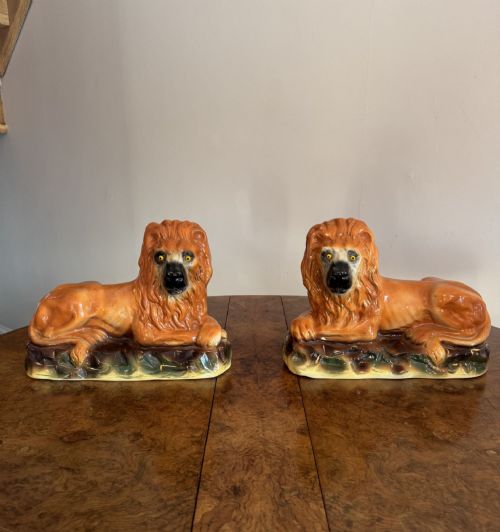
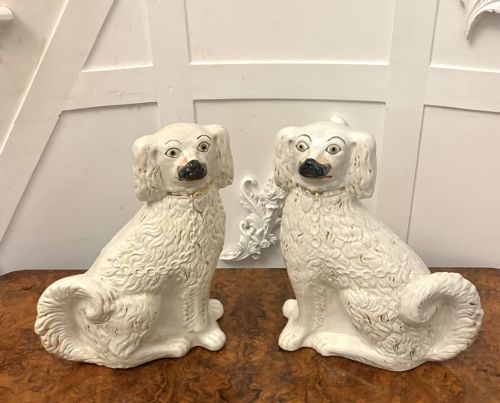
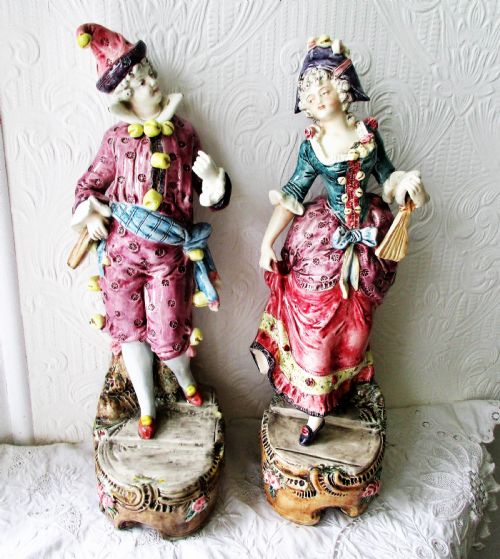
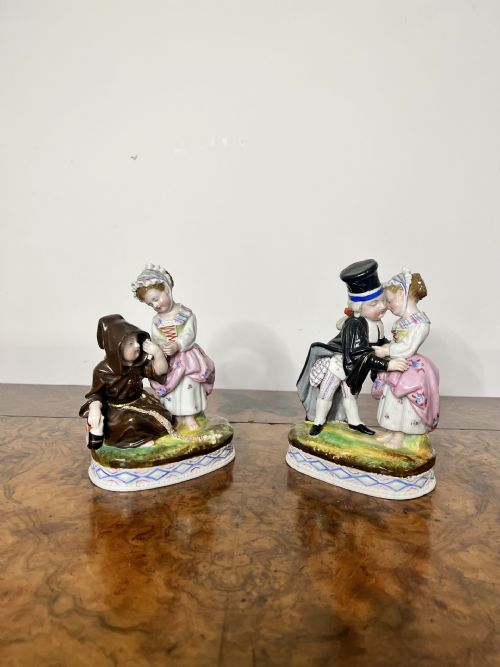
The selections available span multiple eras, most notably featuring Victorian Staffordshire earthenware alongside continental porcelain works from the nineteenth century. Buyers frequently encounter pairs of animals, historical characters, and literary figures designed to sit upon mantelpieces and ledges.
Originating from English potteries, French ateliers, and German porcelain works, these objects reflect distinct regional moulding techniques and aesthetic movements. From eighteenth-century revival styles to Art Deco bathroom accessories, each form carries the functional or decorative intent of its period.
Materials and construction
Potters shaped these objects using refined clays, earthenware bodies, and porcelain pastes, which were subsequently fired in kilns to achieve structural stability. Surface ornamentation relied upon liquid ceramic glazes, enamel colours, and occasional applications of gold leaf or gilding to highlight modelled details.
Moulding and hand-finishing worked in tandem, where slip-cast or press-moulded bodies received individual facial expressions, applied floral elements, and hand-painted pigments before final glazing. Artisans combined utilitarian forms, such as spill vases and incense holders, with intricate sculptural modelling.
Ceramic Figurine Decor Retail Price Guide 2026
Typical asking prices for ceramic figurine decor among the pieces listed under this phrase on Sellingantiques today, from the lower quarter to the upper quarter. They describe what is for sale here now, not the wider market.
Listings feature Victorian earthenware, Edwardian porcelain, and 1930s Art Deco pieces alongside Chinese export wares.
Markers of distinction
The sophistication of the modelling separates standard production wares from ambitious studio pieces, evident in the naturalistic postures of animals or the intricate draping of garments. Original matching pairs and complete sets retain greater design integrity than isolated survivors.
Bow Porcelain·Royal Worcester·Hadley Worcester·Royal Dux·Sitzendorf
The Ceramic Figurine Decor Glossary
- Earthenware
- A porous pottery body fired at lower temperatures, requiring an opaque or transparent glaze to ensure water resistance.
- Spill vase
- A hollow cylindrical vessel incorporated into a figure group, designed to hold wooden spills for lighting candles or fires.
- Sancai glaze
- A three-colour ceramic glaze technique historically associated with Chinese pottery, utilising amber, green, and cream tones.
- Putto
- A plump, winged child figure frequently employed in allegorical or decorative European sculpture.
- Faience
- Tin-glazed earthenware produced in France and other European regions, featuring painted designs over a white opaque ground.
Ceramic Figurine Decor: Frequently Asked Questions
How were antique figures used?
Antique figures served primarily as ornamental mantelpiece ornaments, table centerpieces, and decorative focal points within domestic interiors. Many forms fulfilled secondary practical roles, such as holding taper spills or burning incense.
Pairs of animals and human subjects were arranged symmetrically on furniture surfaces to project status and refinement. Their placement transformed utilitarian spaces into curated rooms displaying historical and literary themes.
How do I date ceramic figures?
Dating ceramic figures relies on stylistic markers, manufacturing techniques, clay bodies, and underlying glaze characteristics. Nineteenth-century Staffordshire pieces typically feature heavy earthenware bodies and hand-applied enamel pigments.
Earlier eighteenth-century porcelain works and later Art Deco items exhibit distinct clay formulations and artistic motifs. Examining the base, manufacturing marks, and stylistic context helps establish the period of origin.
How should I display these pieces?
Display these figures on stable surfaces away from high-traffic zones to protect delicate porcelain extremities and painted enamel surfaces. Mantelpieces, enclosed cabinets, and sturdy console tables provide secure environments for viewing.
Keeping pieces out of direct sunlight preserves the vibrancy of hand-painted glazes and gold leaf accents. Pairing complementary forms maintains historical context within a modern interior setting.