



Ceramic Display Pots
These ceramic display pots are vessels designed to showcase fine glazes and decorative motifs within a room.
Ceramic Display Pots
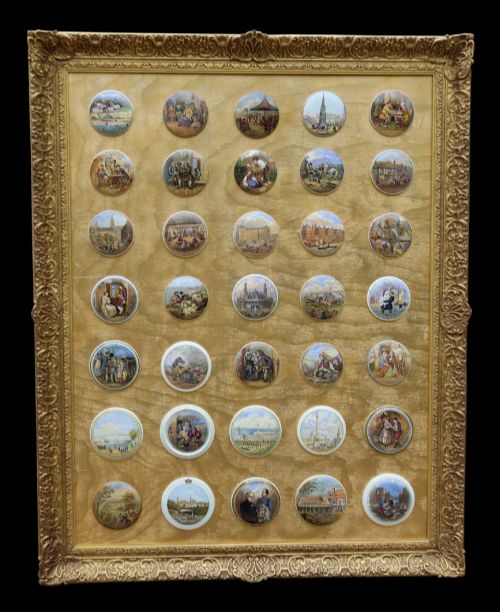
When you search for ceramic display pots, you are looking at items designed to hold plants, potpourri, or simply to stand alone as ornamental objects. The selection ranges from Victorian framed collections and Edwardian silver plated stands with Royal Worcester pots to older examples like 18th Century Delft apothecary jars.
You are most likely to meet pieces spanning the Victorian, Edwardian, and Art Deco eras, alongside Meiji Period Satsuma wares and Qing Dynasty jars. These forms include jardiniere stands, apothecary jars, pate jars, and decorative vases.
The origins vary from English factories such as Royal Worcester and Moorcroft to continental faience and East Asian workshops. Each period brings its own characteristic form, whether that is a bamboo-handle vase or a tin-glazed storage jar.
How they were made
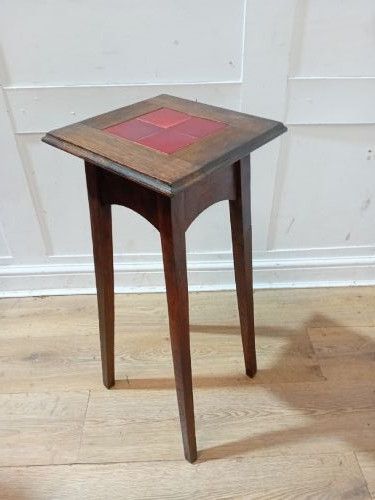
Makers shaped these vessels from earthenware, ceramic, and porcelain, frequently applying tin glazes or rich enamel colours to the surface. Some forms incorporate supplementary materials like oak and silver plating to create stands and frames for the pottery.
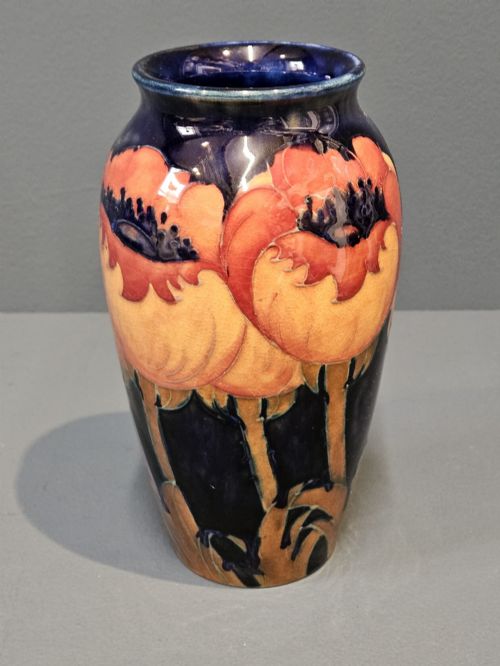
Decoration relied on skilled hand painting, often featuring detailed subjects such as flying swans, dragons, and floral motifs like poppies. Artisans also utilised gold leaf accents and specialised firing techniques to achieve the finished appearance of each jar and vase.
Ceramic Display Pots Retail Price Guide 2026
Typical asking prices for ceramic display pots among the pieces listed under this phrase on Sellingantiques today, from the lower quarter to the upper quarter. They describe what is for sale here now, not the wider market.
Swans painted by C Baldwyn glide across Royal Worcester potpourri jars without a single ruffled feather.
What varies in quality
The distinction between tiers of these items rests upon the crispness of the painted detail and the ambition of the form. Hand-painted subjects by named artists and complex mouldings command greater attention than standard production pieces.
The integrity of the glaze and the preservation of delicate elements, such as bamboo handles or fitted lids, dictate the standard of survival. Secondary materials, including solid oak stands and silver plated mounts, also influence the overall calibre of the piece.
Moorcroft·Kinkozan·Royal Worcester
The Ceramic Display Pots Glossary
- Apothecary jar
- A vessel originally used by chemists to store medicines, featuring tin glaze or painted decoration. These jars were later collected as decorative interior items.
- Tin glaze
- An opaque white glaze containing tin oxide, providing a smooth surface for painting in blue and other enamel colours. It is characteristic of early Delft and faience production.
- Jardiniere stand
- A decorative piece of furniture or pottery base designed to hold a plant pot. Examples often appear in oak or ceramic configurations.
- Satsuma ware
- Japanese pottery decorated with fine enamel and gilt over a crackle-glaze earthenware body. It gained popularity in the West during the Meiji period.
- Doucai
- A Chinese porcelain technique combining underglaze blue outlines with overglaze enamel infill. This method creates a contrasting multi-coloured design.
Ceramic Display Pots: Frequently Asked Questions
What are ceramic display pots used for?
These vessels serve primarily as ornamental objects within an interior space, though some were originally created to hold plants, dry potpourri, or dry goods.
Over time, collectors have prized them purely for their decorative glazes, hand-painted scenes, and historical forms rather than their original practical functions.
How do I identify a Meiji period piece?
Meiji period items, such as Satsuma wares, typically display intricate hand-painted enamel decoration alongside gilt detailing on a distinctive crackle-glaze body.
Examining the artistic motifs, such as samurai figures or bamboo-handle forms, helps place these items firmly within late nineteenth-century Japanese craftsmanship.
What is an 18th century Delft jar?
An eighteenth-century Delft jar is a tin-glazed earthenware vessel, often created as an apothecary container with painted surface designs.
These pieces showcase early European attempts to emulate imported Asian porcelain through opaque white glazes and cobalt blue painting.
How should I display them at home?
Ceramic display pots look best placed on sturdy surfaces where their glazes and painted details catch the light, such as sideboards or dedicated plant stands.
Ensure larger items like jardiniere stands or heavy porcelain vases are positioned securely away from heavy foot traffic to protect the pottery and any associated woodwork.