



Ceramic Child Figure
A ceramic child figure brings the distinct charm of past nurseries and parlours directly into a modern interior through enduring modelled clay and porcelain.
Ceramic Child Figure
A ceramic child figure represents infants, youths, or family groups modelled in earthenware, stoneware, or porcelain across several centuries. These pieces range from eighteenth-century soft-paste porcelain groups to twentieth-century art deco statuettes and glazed earthenware.
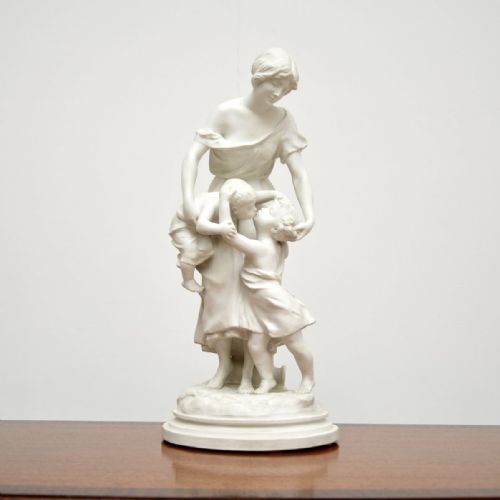
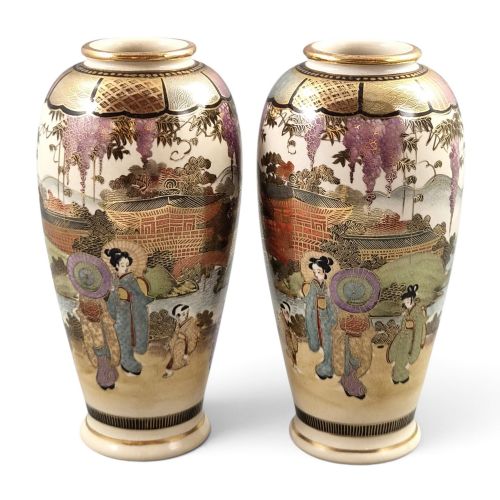
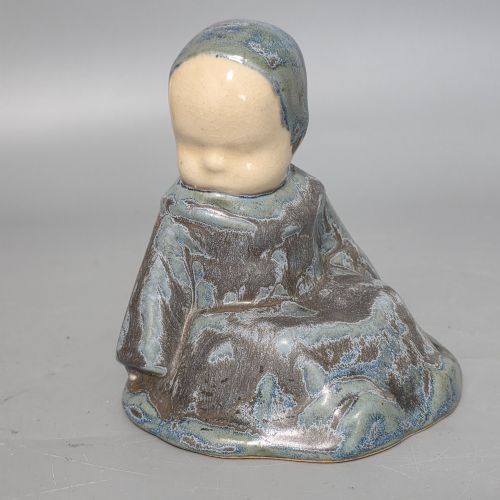
The versions most frequently met on this page include nineteenth-century bisque figures, Victorian Staffordshire pottery pairs depicting youngsters with animals, and twentieth-century porcelain studies. Collectors also encounter terracotta busts and glazed stoneware pieces reflecting domestic scenes from various European and Asian traditions.
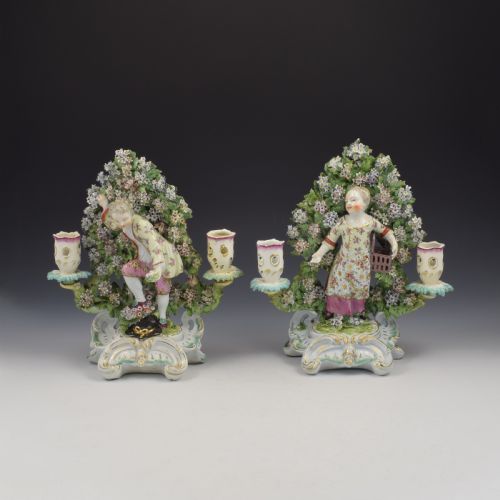
Makers and factories across Britain, continental Europe, and Japan utilised these subjects to capture youthful innocence, sentimental narratives, or allegorical themes. The category encompasses standalone figurines, candlesticks with child subjects, and sculptural groups set within domestic or pastoral backdrops.
Materials and methods
Potters and modellers employed materials such as hard-paste porcelain, earthenware, terracotta, and unglazed bisque porcelain to achieve varying surface textures and levels of detail. Bisque porcelain provided a matte, marble-like finish popular for nineteenth-century statuary and portrait busts.
Decoration relied on hand-painting with enamel colours, delicate gilding with gold leaf, and rich coloured glazes including oxblood. Many pieces utilised multi-part moulds that allowed complex groupings of children, animals, and natural elements like bocage foliage to be assembled before firing.
Ceramic Child Figure Retail Price Guide 2026
Typical asking prices for ceramic child figure among the pieces listed under this phrase on Sellingantiques today, from the lower quarter to the upper quarter. They describe what is for sale here now, not the wider market.
Listings feature works spanning from the eighteenth century to the mid-twentieth century, utilising materials from terracotta to fine porcelain.
Judging the work
Quality rests upon the crispness of the modelling and the sensitivity with which the facial expressions and hands are rendered. Superior examples display fine hand-painted details and clean mould seams that have been carefully smoothed prior to the final kiln firing.
The complexity of the composition and the reputation of the producing factory or modeller heavily influence the standing of a piece. Larger sculptural groups and works bearing identifiable signatures or factory marks demonstrate greater artistic ambition than mass-produced utilitarian wares.
Luca Madrassi·Berthe Savigny·Derby Porcelain·Meissen Porcelain·Royal Dux·George Kemper·John Durham·Shelley·Sitzendorf·Carl Thieme·Sumida Gawa·Ernst Bohne and Sohne·Royal Worcester·Helena Wolfsohn·Kerr and Binns·Antonio Rossellino·B Rezl
The Ceramic Child Figure Glossary
- Bisque porcelain
- Unglaved porcelain fired to a matte finish that resembles marble and highlights sculptural detail. It gained widespread popularity during the nineteenth century for figures and portrait busts.
- Bocage
- An applied background of leaves, branches, and flowers modelled around figures. This technique appears frequently on eighteenth-century and Victorian porcelain candlesticks and groups.
- Parianware
- A fine-grained unglazed porcelain developed in Britain to imitate carved marble. It takes its name from Parian marble found on the Greek island of Paros.
- Stoneware
- A robust, vitrified ceramic fired at high temperatures to produce a dense, impermeable body. It accepts salt glazes and rich colour washes effectively.
- Staffordshire pottery
- Earthenware figures and groups produced by numerous potteries in the English Midlands. They are typically slip-cast or hand-modelled and decorated with bright enamel colours.
Ceramic Child Figure: Frequently Asked Questions
Were these figures meant as toys?
These pieces were created entirely as decorative ornaments for display on mantelpieces, sideboards, and occasional tables. Their delicate materials and detailed modelling made them entirely unsuitable for children to handle.
Adults collected and displayed them to signal taste, sentiment, and social standing within the Victorian and Edwardian home.
How can I date an unmarked figure?
Dating requires examining the ceramic body, the style of painting, and the clothing depicted on the child. Changes in modelling techniques and glaze formulas across different decades provide reliable clues.
Comparing the base and manufacturing style to documented examples from known periods helps narrow down the decade of production.
What is the difference between bisque and glazed porcelain?
Bisque porcelain is fired without a glaze, leaving a matte, porous surface that resembles carved marble. This finish accentuates fine facial details and anatomical modelling.
Glazed porcelain receives a glassy coating before its final firing, creating a shiny, waterproof surface that protects the painted decoration beneath.