



Century Wooden Stool
A century wooden stool brings domestic utility and honest craftsmanship together, offering robust seating shaped by centuries of domestic and workshop use.
Century Wooden Stool
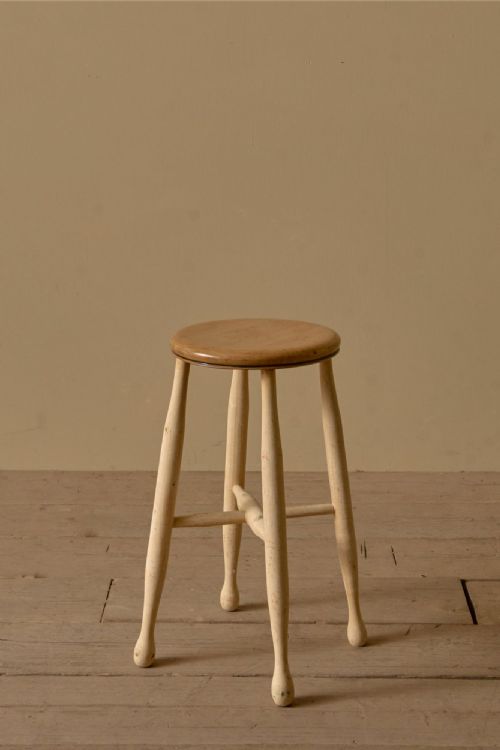
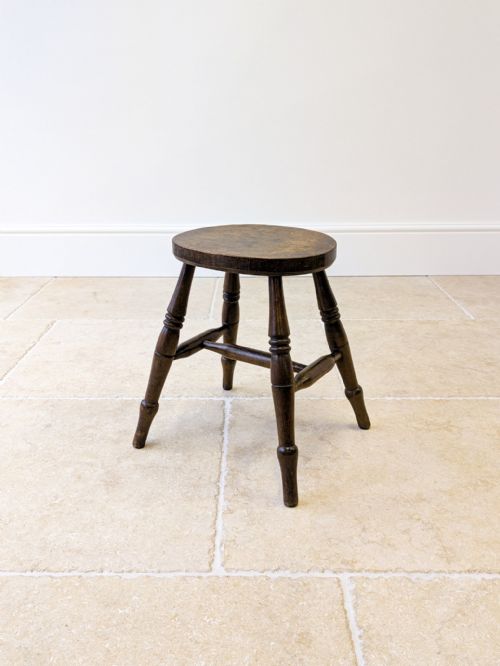
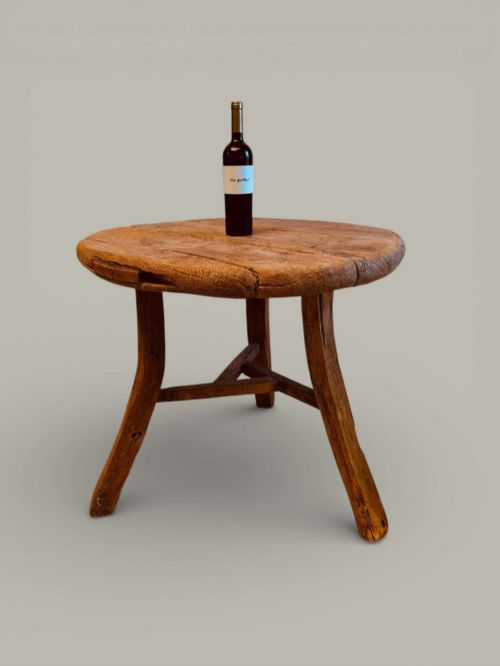
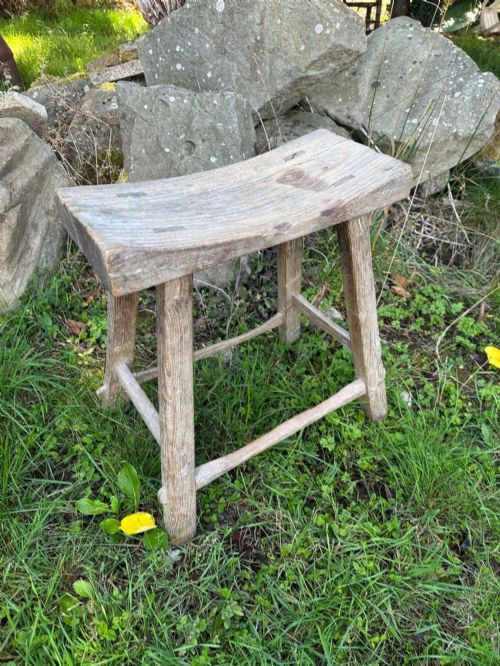
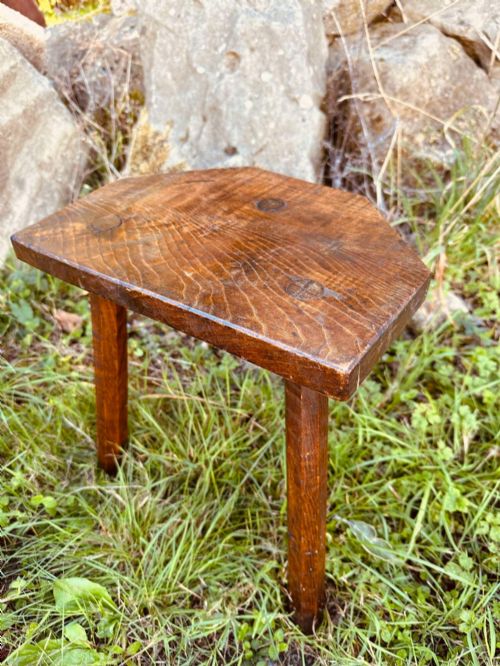
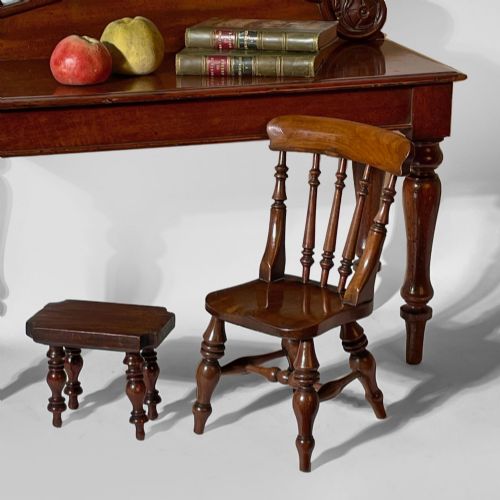
A century wooden stool spans robust jointed designs from the seventeenth century and earlier, utilitarian tavern and pub seating, through to nineteenth-century vernacular elm and beech country examples. These pieces serve practical household functions, operating as low seats, footstools, window benches, and specialist work positions.
The selections on this page draw heavily from nineteenth-century production alongside notable eighteenth-century and seventeenth-century survivals. Buyers encounter plain pine, solid oak joint forms, elm and beech country seating, and specialist workshop furniture.
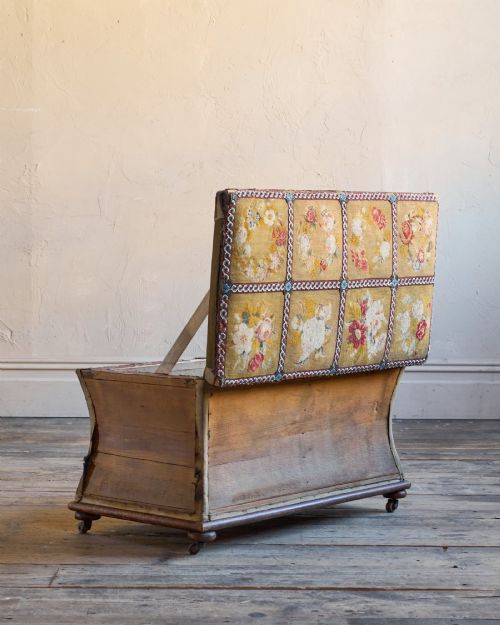
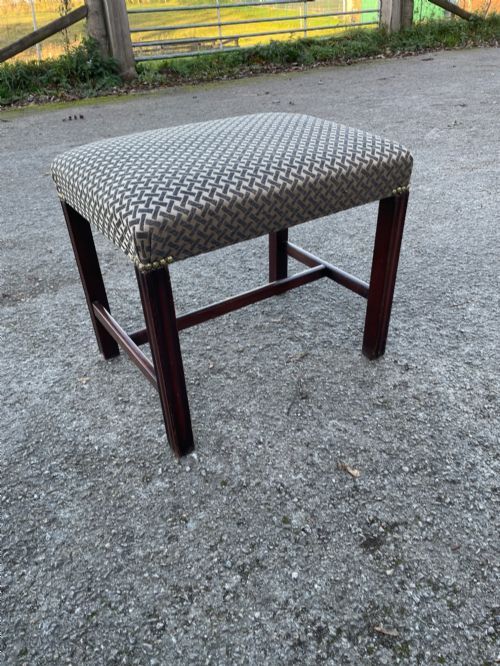
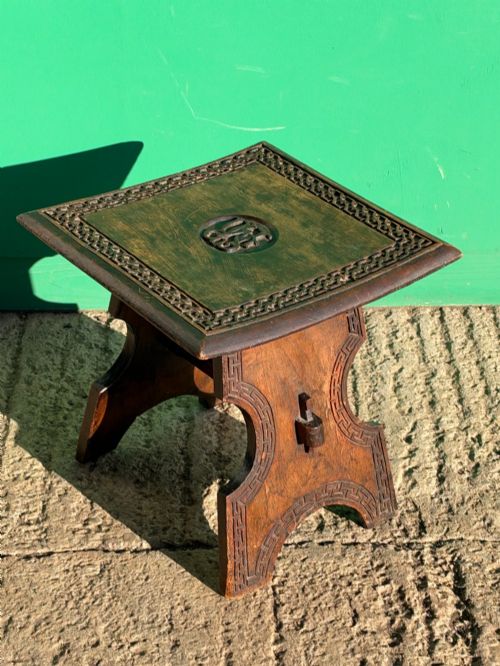
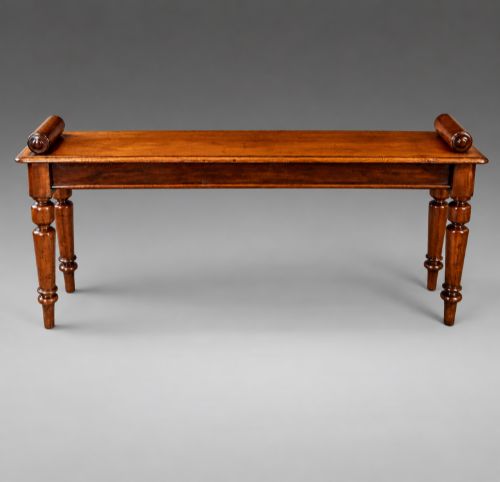
Forms extend beyond simple perches to include joint stools, long tavern benches, sculptors' stands, clerk's seats, and upholstered window benches. Each variant reflects the specific domestic or trade demands of its period.
Materials and construction
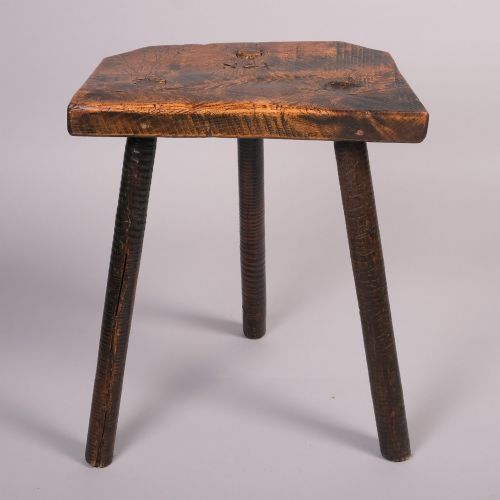
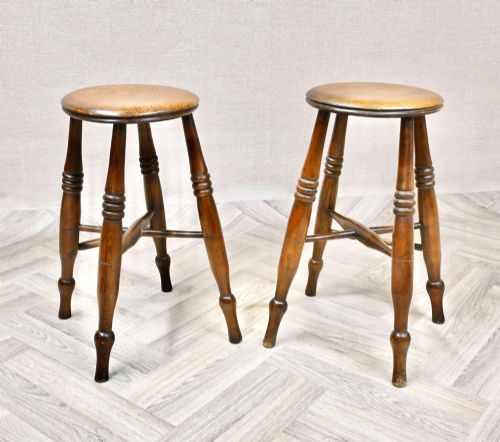
Construction relies heavily on native hardwoods such as oak, elm, beech, sycamore, and ash, joined through traditional pegged mortise and tenon methods. Turnery appears extensively in legs and stretchers, using lathes to shape solid timber components.
Surface treatments range from waxed or polished natural grain to early painted finishes and brass studding on upholstered seats. Maker techniques adapt to function, utilising sturdy stretchers for heavy workshop tasks and finer carved details for domestic parlour seating.
Century Wooden Stool Retail Price Guide 2026
Typical asking prices for century wooden stool among the pieces listed under this phrase on Sellingantiques today, from the lower quarter to the upper quarter. They describe what is for sale here now, not the wider market.
Listings feature periods spanning from the seventeenth century through the 1920s, utilising oak, elm, walnut, and pine.
Judging quality in century seating
Quality rests upon the integrity of the timber selection and the retention of original structural joints rather than surface gloss. Solid oak, well-figured elm, and dense walnut command attention for their durability and depth of patina.
The precision of hand-cut joinery and the honesty of wear patterns separate vernacular workshop utility from later decorative imitations. Original surfaces, untouched patination, and the absence of inappropriate timber replacement elevate individual pieces.
LOIDRAULT FRERES PARIS
The Century Wooden Stool Glossary
- Joint stool
- A solid wooden stool constructed with mortise and tenon joints pegged together, common in the sixteenth and seventeenth centuries. These sturdy pieces often served functional roles at dining tables and church ceremonies.
- Vernacular
- Everyday objects made by local tradesmen using regional materials and traditional methods rather than following high-style academic designs. This approach prioritises utility and local availability over fashionable trends.
- Elm and beech
- Common native hardwoods selected for country furniture framing and seating tops due to their resistance to splitting. Elm provides a tough, interlocking grain ideal for solid seats.
- Spiral carved
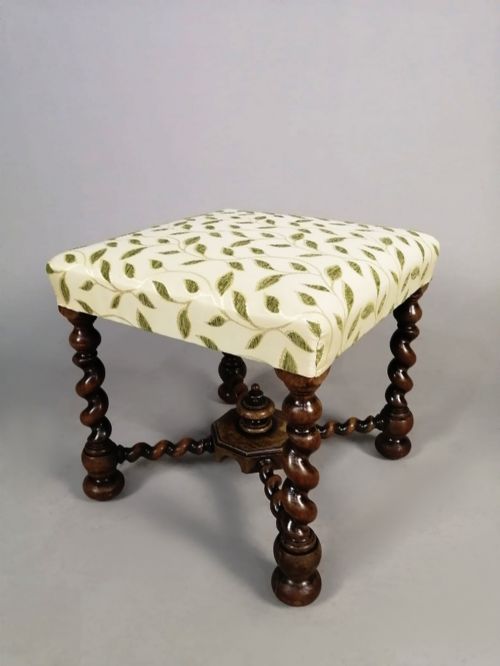
- A decorative turning technique where timber is shaped into a twisted rope design using a lathe or hand chisels. This ornamental detail frequently appears on seventeenth-century and revival walnut furniture.
- Jointed oak
- Furniture assembled using fitted wooden joints secured with pegs rather than metal nails or modern adhesives. This traditional method allows timber to expand and contract naturally with humidity changes.
Century Wooden Stool: Frequently Asked Questions
How do I date an old wooden stool?
Dating relies on examining construction techniques, tool marks, timber species, and wear patterns. Pegged joints, hand-sawn boards, and early turning styles point towards earlier centuries.
Later Victorian and Edwardian examples often display machine-sawn components, standardised screws, or factory stamps while retaining period stylistic revivals.
What is the difference between a joint stool and a normal stool?
A joint stool is a rigid, frame-built oak seat constructed with pegged mortise and tenon joinery. They are substantially heavier and stronger than domestic turned-leg stools.
Their sturdy architecture allowed them to double as small side tables or platforms for household tasks.
Can I use an antique stool every day?
Most solid hardwood stools remain structurally robust enough for daily domestic seating. Regular use benefits from checking that joints stay tight and avoiding placement near extreme heat sources.
Treating the timber with traditional wax preserves the surface while accommodating normal handling.
Why are some wooden stools called vernacular?
Vernacular pieces were built by local country joiners and wheelwrights for immediate utility rather than following grand metropolitan design rules. They make use of locally available timbers like sycamore, ash, and elm.
This regional independence gives each piece a distinct character tied directly to its place of origin.