

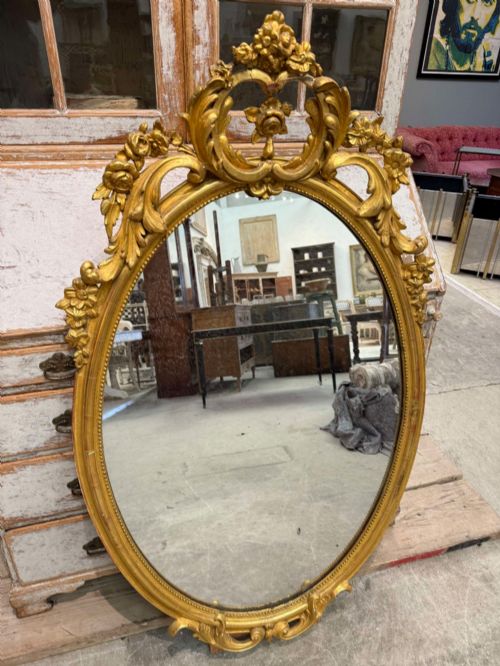
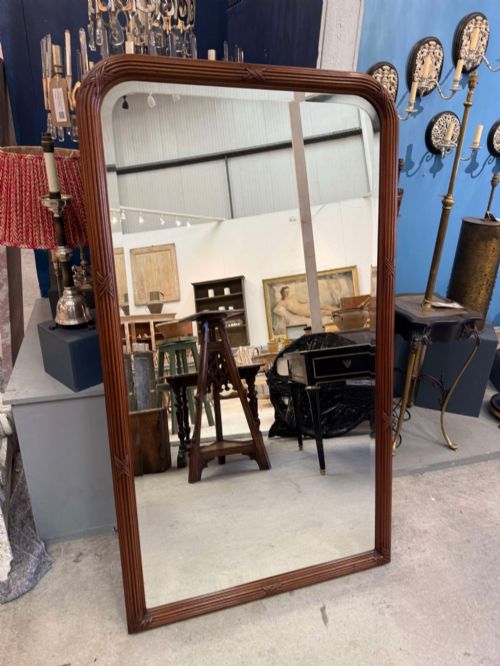
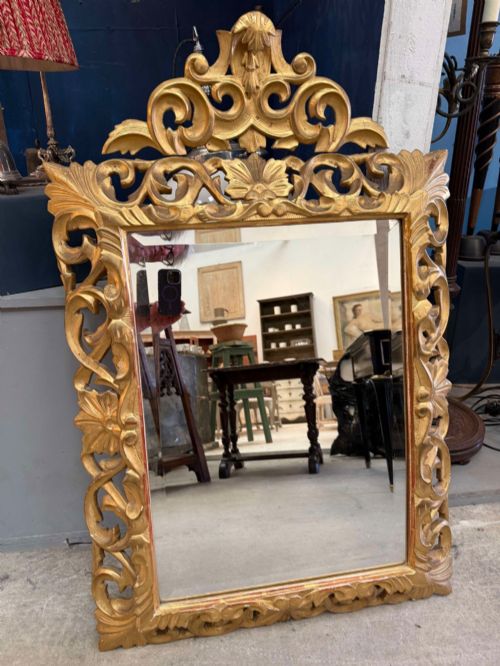
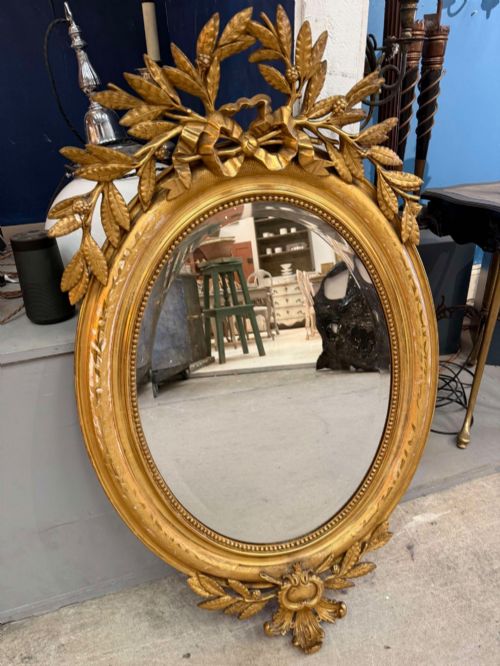

Century Wall Mirror
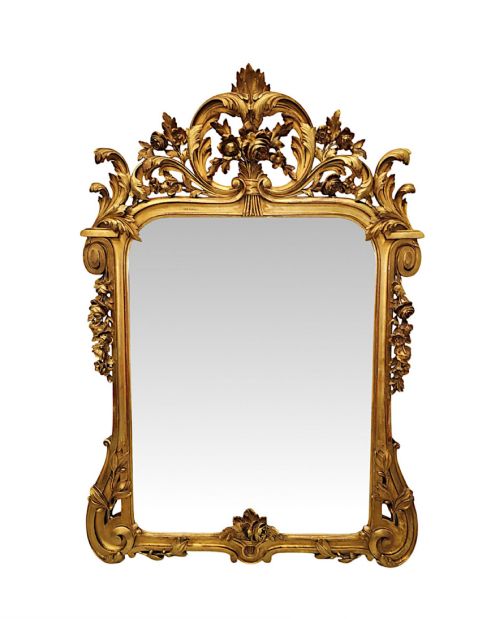
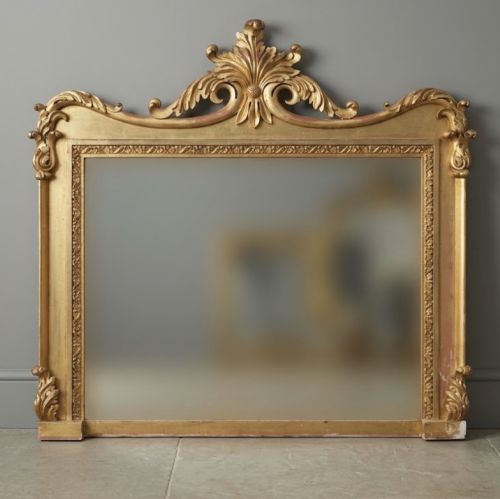
A century wall mirror brings depth and light to a room, shifting from the restrained geometry of the Georgian period to ornate French Louis Philippe curves.
Century Wall Mirror
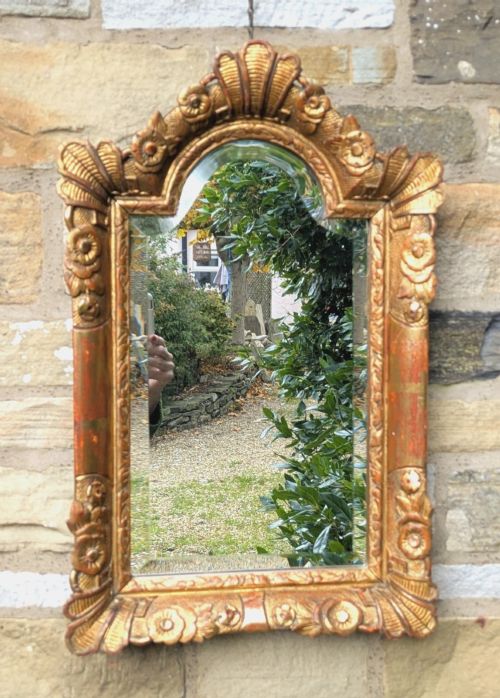
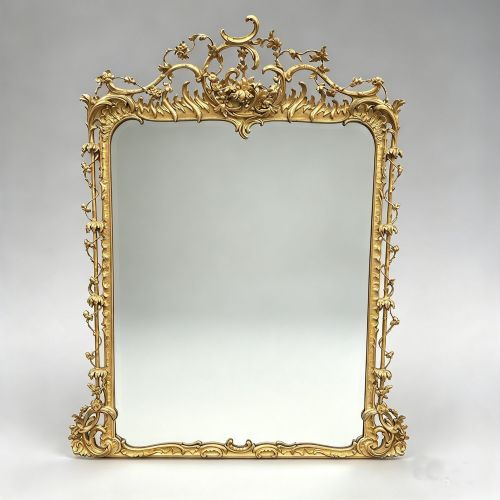
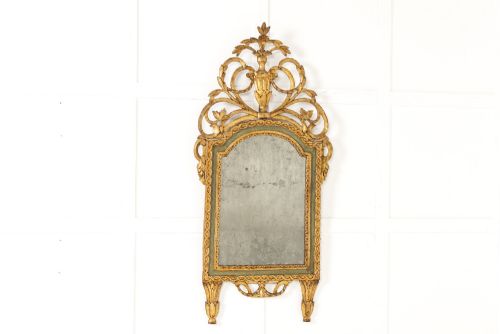
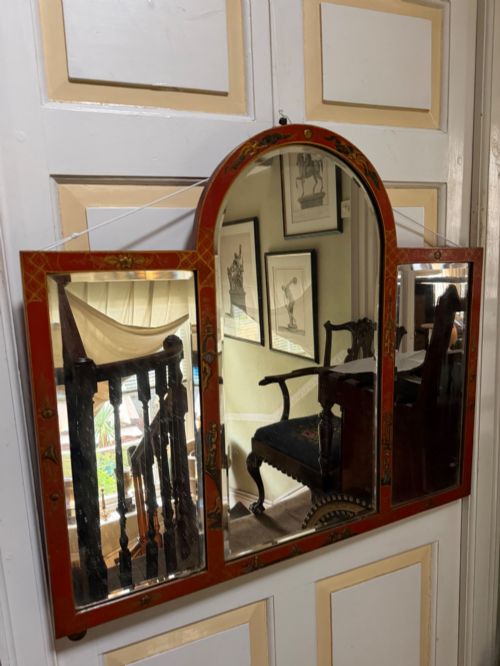
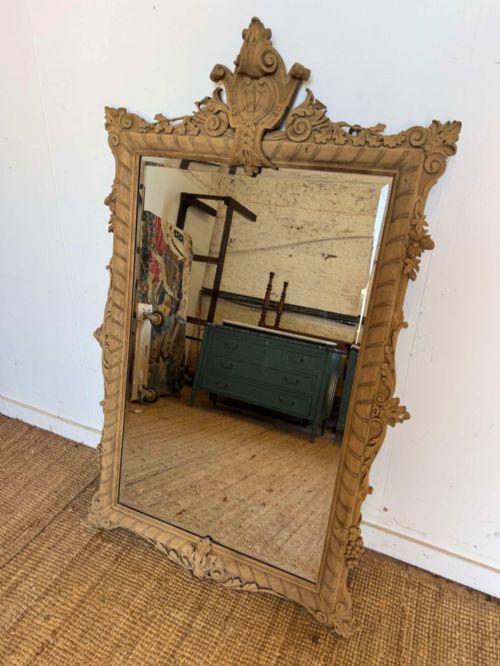
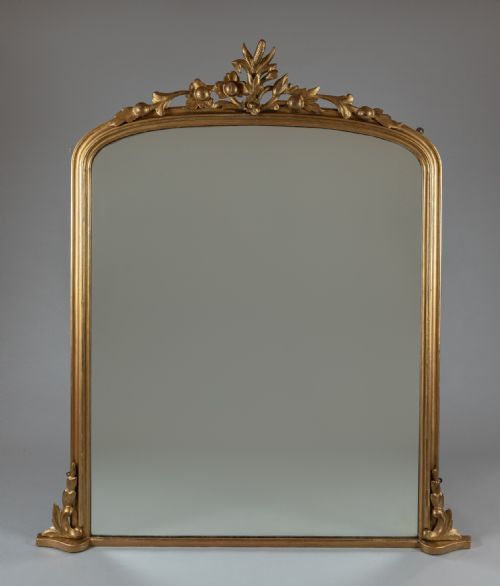
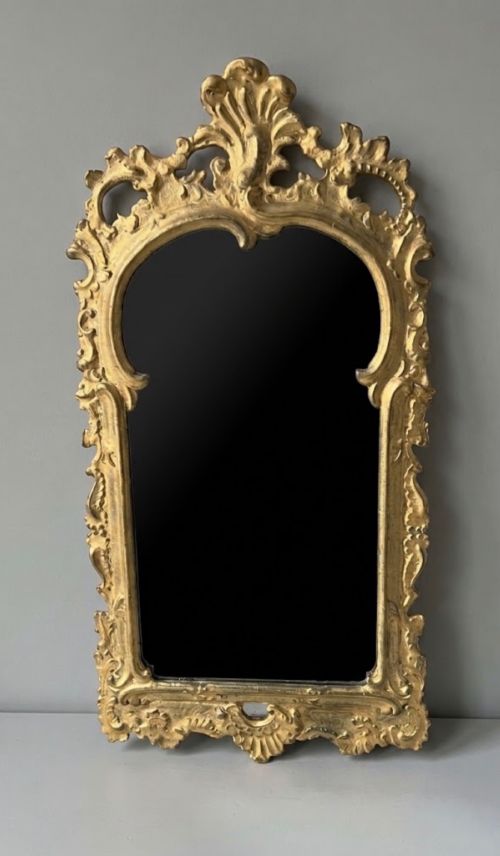
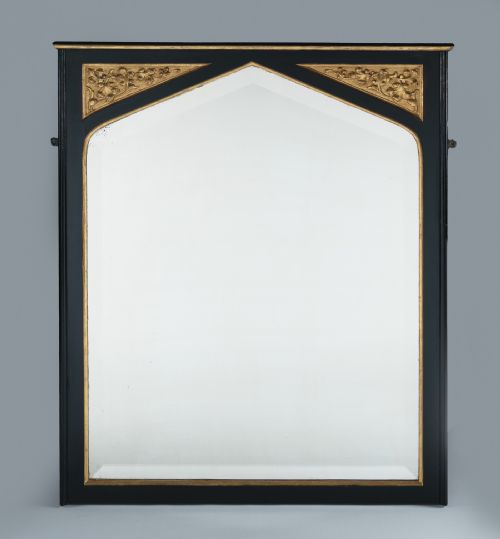
A century wall mirror serves both a functional purpose and an architectural role within a room, often hung above mantelpieces or used as pier glasses between windows. These pieces span from the 18th century through the Victorian era and into the early 20th century, displaying forms such as overmantels, arched top plates, and oval frames. Buyers encounter various regional styles, including French Napoleon III, Italian Baroque, and English Regency designs.
The materials reflect the period of manufacture, utilising wood, gesso, and glass alongside applied finishes of gold leaf, silver, and paint. Ebonised wood and mahogany appear alongside heavily gilded gesso surfaces moulded with urns, swags, or rope carving. These mirrors range from small Georgian wall pieces to large scale Irish convex plates and tall French hall mirrors.
How they were made
Makers built the foundational frames of these mirrors using timber such as pine, mahogany, or chestnut, joined at the corners and shaped according to the prevailing style. Carved wood details or applied gesso layers provided the textured surfaces necessary for subsequent gilding or painting. Artisans then applied gold leaf, silver-gilt, or pigments to finish the frame.
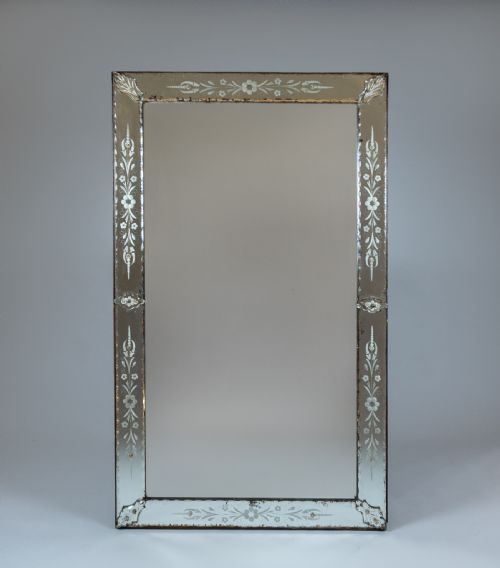
Mirror plates were set into the prepared rebates behind wooden or metal structures, sometimes secured with original backboards and makers' labels. The glass itself ranges from clear plates to foxed surfaces bearing age spots, and specialised techniques like verre églomisé introduced decorated glass panels into the frame composition.
Century Wall Mirror Retail Price Guide 2026
Typical asking prices for century wall mirror among the pieces listed under this phrase on Sellingantiques today, from the lower quarter to the upper quarter. They describe what is for sale here now, not the wider market.
Some early mirrors hide tiny cobalt blue glass cabochons among their ebonised frames like secret jewels.
What varies in quality
Quality in a century wall mirror rests upon the crispness of the carved wood and the depth of the gesso mouldings applied to the frame. Superior examples display sharply defined ornament, such as intact swags, urns, and cartouche forms, whereas lesser versions show softened details from excessive cleaning or poor past restoration.
The preservation of the original glass plate and the integrity of the gilding or ebonised finish heavily influence the character of the piece. Authentic period surfaces, including original foxed mirror glass and uncompromised gold leaf, distinguish exceptional items from those with replaced components or unsympathetic overpainting.
The Century Wall Mirror Glossary
- Overmantel mirror
- A large horizontal mirror designed specifically to hang above a fireplace mantelpiece. These pieces frequently feature architectural framing to anchor them within the room.
- Pier glass
- A tall, narrow mirror traditionally hung on the stretch of wall between two windows, known as the pier. They often match console tables positioned directly beneath them.
- Gesso
- A plaster-like mixture applied to wooden frames as a base for gilding or painting. It is easily moulded into intricate relief decorations.
- Verre églomisé
- A cold decoration technique where designs are painted and gilded on the reverse side of glass panels. It appears frequently in Regency pier glass borders.
- Convex mirror
- A circular mirror with an outward-curving plate that reflects a wide, fish-eye view of the interior space. These often feature bold gilt frames and applied candle sconces.
Century Wall Mirror: Frequently Asked Questions
Where should I hang an overmantel mirror?
These mirrors traditionally sit directly above a fireplace mantelpiece to reflect light and anchor the hearth visually within the room.
Ensure the wall fixings match the substantial weight of the timber and gesso frame to support the piece securely.
How do I identify a Regency mirror?
Regency pieces often display bold scale and proportions, incorporating convex plates, ebonised details, or classical motifs like reeding and verre églomisé panels.
Examining the construction of the frame and the backing boards helps confirm the early 19th-century origin.
What is foxed glass?
Foxed glass refers to mirror plates that have developed dark spots, mottling, or degradation of the silver backing over decades of exposure to air and moisture.
Collectors often value this natural ageing process as proof of authenticity and age.
Are these mirrors heavy?
Solid wood construction combined with heavy gesso mouldings and thick glass plates makes many period wall mirrors surprisingly heavy.
Professional installation using appropriate wall anchors is essential for safe placement in a home.